Nvidia’s $500B AI Power Play and the Fading Hopes for a US-Iran Detente
قمار ۵۰۰ میلیارد دلاری انویدیا برای هوش مصنوعی و رنگ باختن امیدها به صلح میان تهران و واشینگتن
Nvidia partners with Wall Street giants to raise half a trillion dollars for AI infrastructure, while oil prices climb as hopes for a diplomatic breakthrough between Iran and the U.S. wither. Meanwhile, a high-profile trial in Australia and central bank hawkishness keep global markets on edge.
At time of publishing
USD
185,500
Toman
Gold 18K
19.01M
Toman / gram
Bitcoin
$63,943
US Dollar
Tether
186,700
Toman
Market Open — Tuesday, August 11
The Tehran market opened this morning with a subtle but firm upward nudge in foreign exchange rates. The US Dollar (USD) rose from yesterday’s 185,200 to 185,500 Toman, marking a 0.2% increase. While the jump isn't massive, it reflects a cautious sentiment among traders who are closely watching regional geopolitical developments and the lack of progress in international negotiations. Tether (USDT) is trading slightly higher at 186,700 Toman, maintaining its usual premium over the physical greenback.
Gold markets, however, showed significantly more volatility. Gold 18k per gram jumped by 1.2%, moving from 18,791,264 to 19,010,572 Toman. This rally was mirrored in the coin market, where the Emami coin rose by 1.1% to reach 188,500,000 Toman. This surge is largely driven by a combination of a stronger local dollar and a global gold price that remains elevated at $4,381 per ounce. In the crypto space, Bitcoin (BTC) is struggling to maintain its footing, trading around $63,943 as traders brace for upcoming U.S. inflation data.
Nvidia’s $500 Billion AI Infrastructure Revolution
In what can only be described as a seismic shift for the technology and finance sectors, Nvidia has announced a massive partnership with seven of Wall Street’s most prominent financial institutions. The goal is to raise a staggering $500 billion in third-party capital to fund the buildout of AI infrastructure globally. This isn't just about making faster chips; it’s about building the massive data centers, cooling systems, and energy grids required to power the next generation of artificial intelligence. This move positions Nvidia not just as a hardware provider, but as the central architect of the digital age's physical backbone.
For investors, this represents a fundamental change in how AI is being financed. Instead of relying solely on tech giants' balance sheets, the industry is now tapping into the deep pools of private equity and institutional capital. The scale—half a trillion dollars—is almost unprecedented for a single technological initiative. It signals a belief that AI is not a bubble, but a long-term industrial transition. The money will be used to develop miles of stacked computer chips in specialized facilities, ensuring that the "compute power" of the world continues to scale at an exponential rate.

Oil Climbs as US-Iran Peace Hopes Wither
Energy markets are reacting sharply to the fading prospects of a lasting peace between the United States and Iran. Brent crude has climbed to $87.72 per barrel as the diplomatic window appears to be closing. The tension spiked after Donald Trump’s administration demanded that Iran pay reparations for damages spanning half a century, a condition that Tehran has found entirely unacceptable. This "reparations" demand, coupled with Iran’s own set of six conditions for peace, has effectively stalled the momentum that some analysts hoped would lead to a regional de-escalation.
Adding a layer of cinematic intrigue to the geopolitical tension are reports that Donald Trump recently used an elaborate ruse to board a secret military flight from Turkey to avoid Iranian threats. Reports suggest the president was hidden in a catering cart to move between planes, highlighting the extreme security concerns currently surrounding US-Iran relations. For the Iranian reader, this means the "no war, no peace" status quo is likely to persist, keeping pressure on the Rial and ensuring that oil remains a volatile asset class for the foreseeable future.
The Fall of a Media Titan and Global Rate Pressure
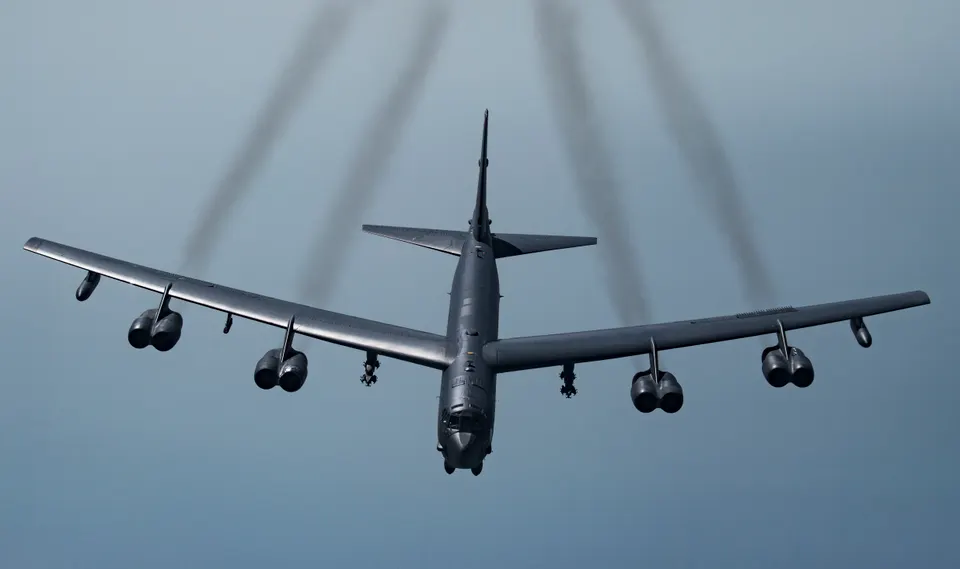
In Australia, the trial of legendary broadcaster Alan Jones is captivating the public and adding to a general sense of institutional upheaval. Jones, an 85-year-old former radio host, is facing 22 charges of indecent assault. The court recently heard testimony from an alleged victim who described the assaults in detail. While this may seem a world away from Tehran, the trial marks the end of an era for a man who once wielded immense political power in one of Iran's major trading partners in the agricultural sector.
Simultaneously, the Reserve Bank of Australia (RBA) has decided to hold interest rates at 4.35%, but with a stern warning: more hikes are possible. This "higher for longer" stance is a mirror of what we are seeing across the globe, from Washington to London. Central banks are refusing to declare victory over inflation, which keeps the US Dollar strong and emerging market currencies under pressure. For those holding Toman, this global hawkishness means the greenback is unlikely to see a significant structural decline anytime soon.

Diplomatic Channels: Araghchi and the Strait of Hormuz
Amidst the rising oil prices and political rhetoric, Iranian Foreign Minister Abbas Araghchi has been active on the diplomatic front. Araghchi held a phone conversation with his German counterpart, Johann Wadephul, to discuss the security of the Strait of Hormuz and broader regional stability. While the government claims these talks are a sign of Iran’s responsible role in maritime security, European capitals remain skeptical, often viewing such discussions as a way for Tehran to exert leverage over global shipping lanes.
Internally, the political landscape is also shifting as Araghchi congratulated several senior military officials on their new appointments by the Leader. These appointments often signal a tightening of the security apparatus and a consolidation of power within the military-diplomatic core. For the average Iranian, these high-level maneuvers often feel disconnected from daily economic struggles, yet they dictate the sanctions environment and the geopolitical risk premium that ultimately determines the price of bread, gold, and the dollar.
Frequently Asked Questions
Why is Nvidia raising $500 billion for AI infrastructure?
Why are oil prices rising despite ongoing diplomatic talks?
How does the Australian interest rate decision affect the Iranian Rial?
Understanding Economic Sanctions: How They Shape Oil Prices, Currencies, and Tech Markets
Economic sanctions are coercive tools used by governments or international bodies to influence the behavior of target countries, firms, or individuals. Rather than resorting to military force, sanctions aim to create economic pain—through trade bans, asset freezes, or restrictions on financing—to compel policy changes. While the intent is political, the mechanisms operate through market channels, making the ripple effects visible across commodity prices, exchange rates, and even high‑tech supply chains.
The most common forms of sanctions include export controls, which prohibit the sale of certain goods (often high‑technology components), and secondary sanctions that penalize third‑party firms for doing business with the primary target. In the case of Iran, U.S. sanctions have systematically limited its ability to sell oil on the global market, forcing Tehran to rely on clandestine shipping routes and discount pricing. This reduction in legally exported barrels tightens global supply and can push benchmark prices such as Brent crude higher, especially when market participants anticipate further supply shocks.
Oil‑price dynamics are only one side of the story. Sanctions also distort currency markets. Iran’s official exchange rate (USD/IRR) diverges sharply from its black‑market rate because foreign investors cannot legally hold Iranian assets, and banks are barred from processing dollar transactions. To preserve value, Iranians often turn to alternative stores of wealth—gold being a prime example. Consequently, gold prices within Iran can rise faster than global spot prices, reflecting a localized safe‑haven demand.
Even sectors seemingly unrelated to geopolitics feel the impact. Nvidia’s $500 billion AI infrastructure push relies on a global supply chain that includes advanced semiconductors, many of which are subject to export controls aimed at preventing dual‑use technology from reaching sanctioned entities. When banks and investors shy away from financing projects that could be entangled in sanctions risk, the flow of capital to AI‑related ventures can slow, illustrating how sanctions indirectly shape the pace of technological adoption.
Policymakers therefore must balance the intended political pressure with unintended economic side‑effects. Overly broad sanctions can destabilize commodity markets, erode the value of local currencies, and create collateral damage for unrelated industries. A calibrated approach—targeted sanctions combined with clear diplomatic pathways—helps maintain leverage while minimizing global market disruptions.
Topics
Related Articles