Trump’s Catering Truck Escape Highlights Growing Iran Tensions as Gold Rises in Tehran
فرار ترامپ با کامیون حمل غذا در پی تهدیدات ایران؛ جهش قیمت طلا در بازار تهران
Reports reveal a dramatic secret plane swap for Donald Trump in Turkey following credible threats from Iran, while gold prices in Tehran surge 1.5% amid heightened regional anxiety.
At time of publishing
USD
187,000
Toman
Gold 18K
19.08M
Toman / gram
Bitcoin
$64,193
US Dollar
Tether
188,445
Toman
The Secret Plane Swap: Trump’s Catering Truck Ruse
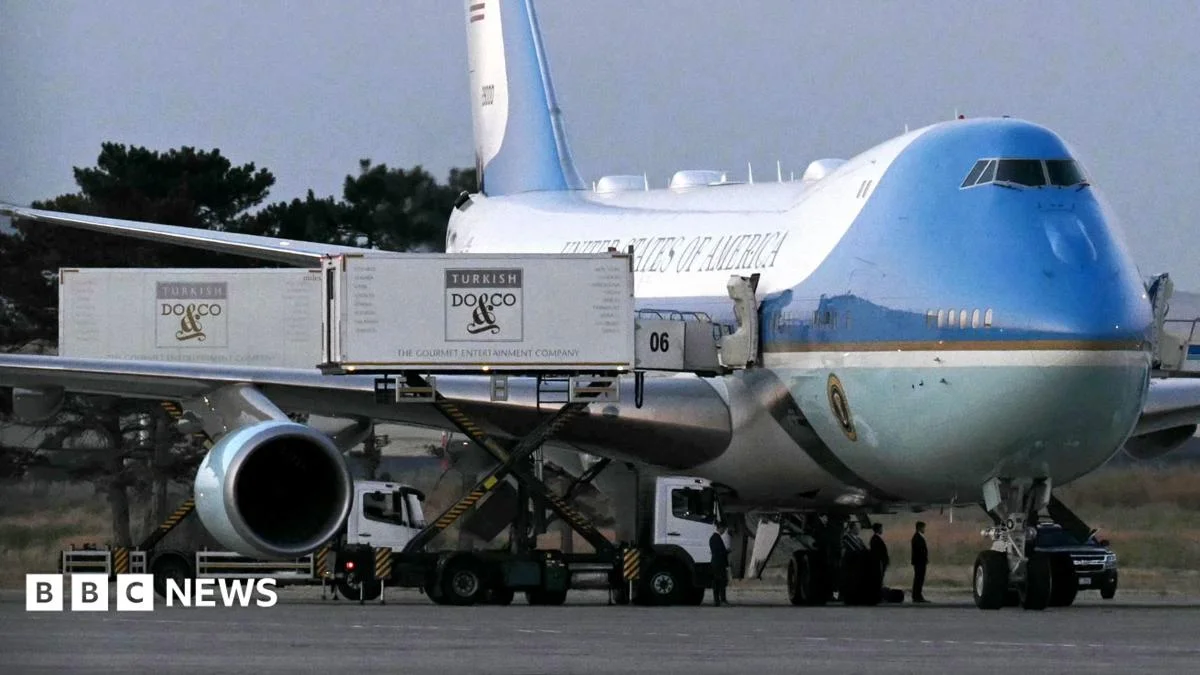
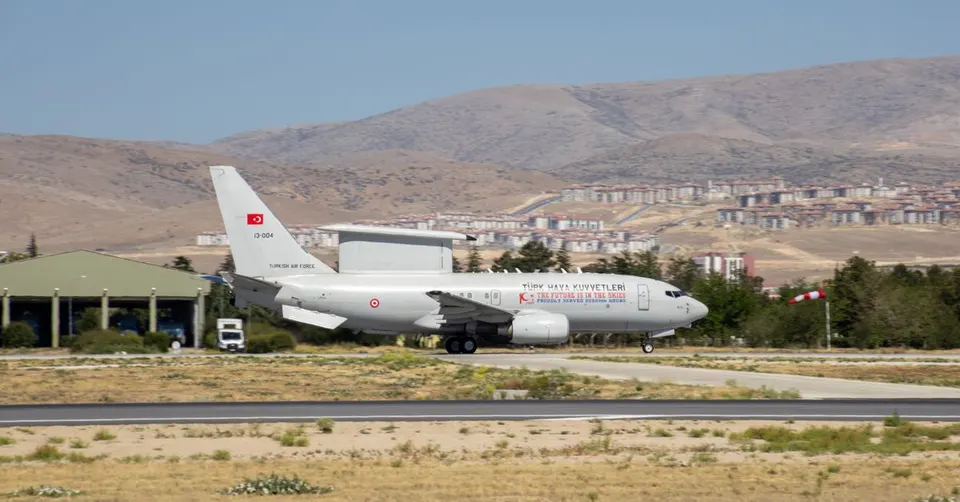
The logistics of the American presidency were reportedly turned upside down last month during a NATO summit in Turkey, as security concerns regarding Iranian threats reached a fever pitch. According to new reports from US media and the BBC, Donald Trump was moved from the traditional, highly visible Air Force One to a nondescript military aircraft using a catering truck as a decoy. This tactical "plane swap" underscores the extreme measures now being taken by the Secret Service to mitigate risks associated with alleged Iranian plots. While Tehran often dismisses these claims as political theater, the operational reality on the ground suggests that the threat level is being treated with the utmost gravity by American intelligence agencies.
For the Iranian public and regional markets, this development is a clear signal that the "gray zone" conflict between Washington and Tehran is intensifying rather than cooling. Such high-stakes security drama directly feeds into the volatility of the Toman. When news of assassination plots and secret military maneuvers breaks, it reinforces the perception of a looming confrontation, driving investors toward "safe-haven" assets. This is precisely what we are seeing in the Tehran markets today, where the fear of further sanctions or military friction is keeping the USD/IRR pair on an upward trajectory. The psychological impact of a US President having to hide in a service vehicle is not lost on the markets, signaling a breakdown in traditional diplomatic deterrence.
Markets in Motion: Copper vs. Gold and the Tehran Rally
In the global commodities market, a new debate is emerging over whether gold or copper is the superior hedge for the current economic climate. While gold has long been the traditional sanctuary during times of inflation and geopolitical strife, analysts are now championing copper as the "commodity for all seasons." Unlike gold, which is primarily a store of value, copper’s price is driven by massive industrial demand—specifically the global transition to green energy and AI infrastructure. This dual nature allows copper to offer inflation protection while remaining somewhat immune to the interest rate fluctuations that typically plague gold. For global investors, the industrial-backed demand growth of copper makes it a more proactive play than the reactive nature of gold.
However, in the local Iranian context, gold remains the undisputed leader of the pack. Over the last 24 hours, the price of 18k gold in Tehran has risen from 18,791,264 to 19,079,828 Toman, a significant 1.5% jump. This domestic rally is outperforming global trends, driven largely by the weakening Toman and a rush by local savers to protect their purchasing power. The Emami coin also saw a sharp increase, moving from 186,500,000 to 190,000,000 Toman (+1.9%). For the average Iranian investor, the technical arguments for copper remain a distant academic exercise compared to the immediate, tangible security of holding physical gold or coins as the USD sell rate climbed from 185,200 to 187,000 (+1.0%) in just one day.
A World Under Pressure: Extreme Heat and the Expanding Air War
Beyond the immediate financial markets, the world is grappling with a dual crisis of escalating warfare and extreme climate events. In the United Kingdom, the Met Office has issued an "amber" warning for extreme heat, with temperatures expected to soar to 38C on Thursday. This isn't just a matter of discomfort; it is a systemic threat to power generation and transportation infrastructure. Drought conditions in England are making the soil less absorbent, creating a dangerous risk of flash flooding when rain finally arrives. These climate shocks are becoming a permanent fixture of the global economic landscape, forcing governments to divert billions into heat adaptation gadgets and infrastructure resilience, further straining national budgets.
Simultaneously, the human cost of the conflict in Eastern Europe is reaching new heights. Reports indicate that Russian civilian deaths are growing rapidly as Ukraine expands its air war deeper into Russian territory. While the Kremlin has attempted to maintain a sense of normalcy for its citizens, the increased tempo of drone and missile strikes is fueling domestic discontent and disrupting local economies. This expansion of the air war suggests that neither side is ready for a ceasefire, which keeps global energy markets on edge. For Iran, which maintains a complex and often criticized relationship with the Russian defense sector, the intensification of this conflict remains a critical variable in regional diplomacy and international sanctions pressure.
Regional Brief: Soft Power and Hard Realities
On a different note, Iranian state media reported that the national footvolley team has secured the championship title at the Baku International Tournament, defeating the host nation, Azerbaijan. While a sports victory might seem secondary to geopolitical threats and market crashes, it serves as a rare moment of soft-power engagement in a region where tensions often run high. The match in Baku, which saw Iran overcome Azerbaijan in the final, highlights the cultural and athletic ties that persist despite the often-strained political relationship between Tehran and Baku over border issues and regional alliances.
However, these moments of sporting success are often overshadowed by the harsh economic realities facing the Iranian population. While the footvolley team celebrates in Baku, the residents of Tehran are dealing with an inflation-driven surge in the price of basic goods and the steady climb of the dollar. The contrast between the government's focus on regional prestige and the public's struggle with a 187,000 Toman dollar remains the defining feature of the current Iranian landscape. As long as geopolitical tensions like the Trump assassination threats remain active, the economic pressure on the average citizen is unlikely to subside.
Watch
Trump reportedly used catering truck to sneak off Air Force One amid Iranian threats
ABC News
Frequently Asked Questions
Why did Donald Trump use a catering truck for a plane swap?
How did the Tehran gold market react to the recent geopolitical news?
Is copper a better investment than gold in 2026?
Gold as a Safe-Haven Asset Amid Geopolitical Tensions and Currency Devaluation
In times of heightened geopolitical tension and economic uncertainty, such as those alluded to in the headline concerning Iran, a curious reader would greatly benefit from understanding the concept of gold as a safe-haven asset. A safe haven is an investment that is expected to retain or increase in value during periods of market turbulence. Gold has historically served this role due to its intrinsic value, limited supply, and universal acceptance, making it a reliable store of wealth when other assets might falter.
The mechanism behind gold's appeal during crises is multifaceted. Unlike fiat currencies, which can be subject to inflation or government intervention and devaluation (like the Toman in Iran), gold is a tangible commodity whose value is not solely dependent on the stability of any single economy or political system. When investors and ordinary citizens perceive a threat to their national currency's purchasing power or to the overall economic stability of their region, they often flock to gold to preserve their wealth. This increased demand, particularly in local markets like Tehran, drives up its price.
Furthermore, geopolitical events, such as international disputes or the imposition of sanctions, can severely impact a country's economy, leading to capital flight and a loss of confidence in local financial markets. In such scenarios, gold offers a sense of security and liquidity that other investments may not. Its role as a hedge against inflation and currency depreciation becomes particularly pronounced, allowing individuals to protect their savings from erosion. Understanding this fundamental economic principle helps explain why gold prices often surge in regions experiencing political instability or economic distress, reflecting a collective flight to safety.
Topics
Related Articles