Joby’s $500M Defense Pivot; Toman Weakens as Trump’s Hormuz Demands Rattle Markets
چرخش ۵۰۰ میلیون دلاری جوبی اوییشن به سمت صنایع دفاعی؛ تضعیف تومان در پی شروط ترامپ برای هرمز
Joby Aviation shifts focus to military tech with a major acquisition, while the Iranian Toman faces new pressure as Donald Trump’s demands for compensation stall hopes for a Hormuz breakthrough.
At time of publishing
USD
188,500
Toman
Gold 18K
19.08M
Toman / gram
Bitcoin
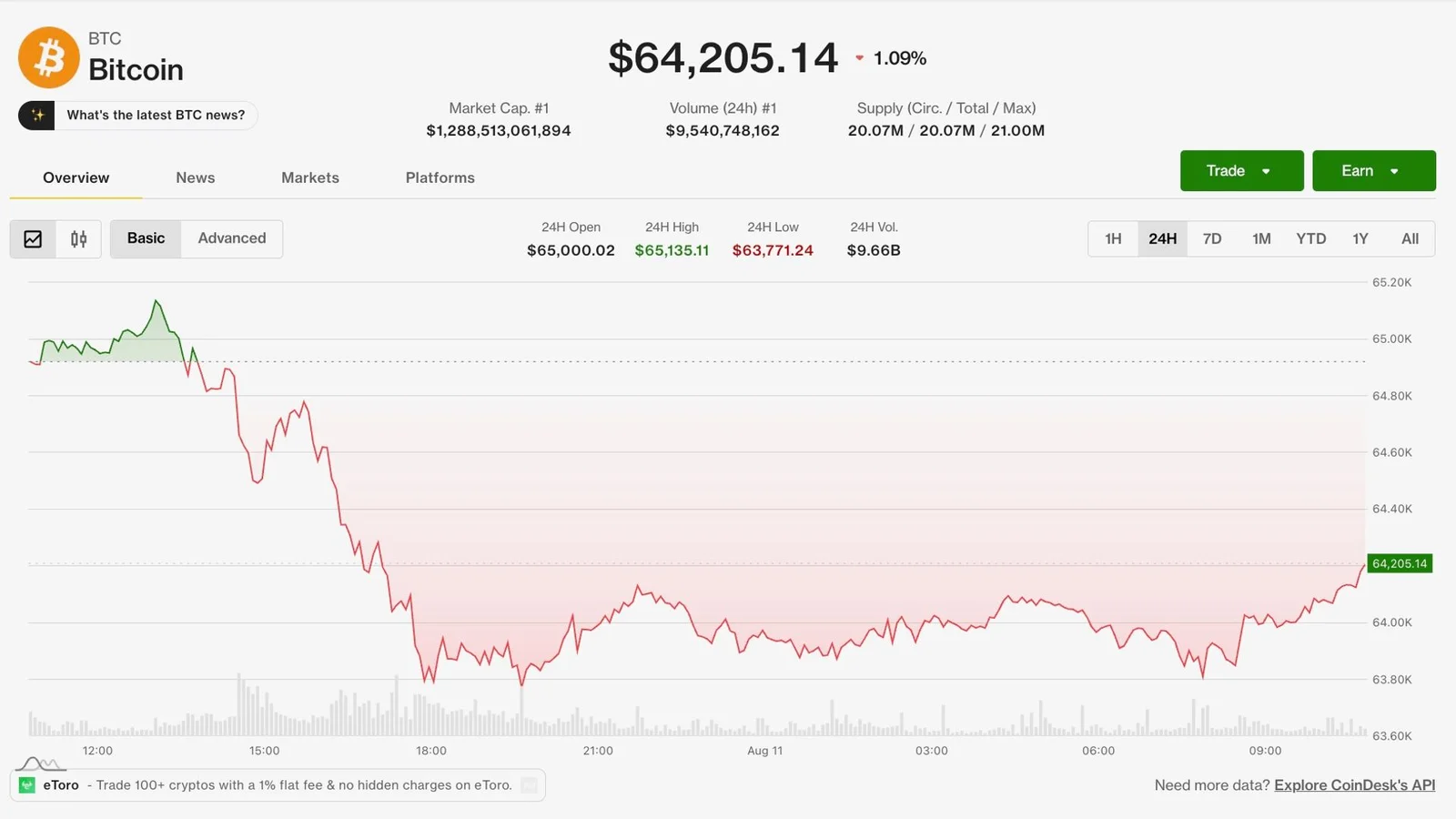
$64,300
US Dollar
Tether
187,058
Toman
Joby Aviation’s $500 Million Defense Gamble
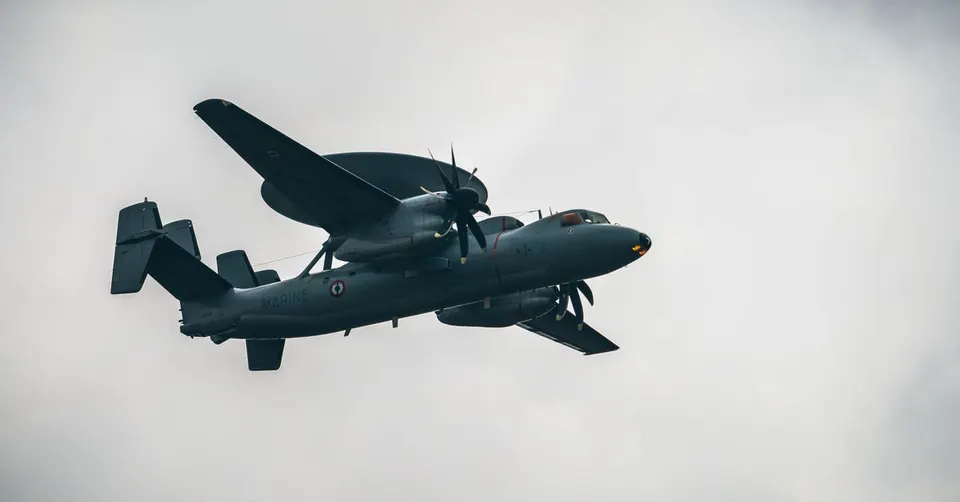
Joby Aviation, once primarily known as the frontrunner in the race for commercial electric air taxis, has signaled a massive strategic pivot toward the military-industrial complex. The company announced today that it is acquiring Resonant Sciences, an Ohio-based defense firm, in a deal valued at $500 million. This acquisition, financed largely through cash and equity, is not merely an expansion of assets but a fundamental shift in how Joby intends to sustain its high-burn research and development. By integrating Resonant Sciences’ expertise in stealth technology and advanced sensing, Joby is positioning its electric vertical takeoff and landing (eVTOL) aircraft as a critical asset for future battlefield logistics and surveillance.
This move comes at a time when the commercial certification of air taxis remains bogged down by regulatory hurdles and infrastructure delays. For investors, the defense pivot provides a much-needed revenue floor, tapping into the Pentagon’s growing appetite for quiet, electric propulsion systems that can operate in contested environments. While Joby still maintains its vision of urban air mobility, the reality is that the 'flying car' dream is increasingly being bankrolled by defense budgets. This transition mirrors a broader trend in the tech sector where startups are abandoning purely consumer-facing models in favor of the stability and scale of government contracts, especially as global geopolitical tensions rise.
---
Trump’s Compensation Demands Send Toman Into a Tailspin
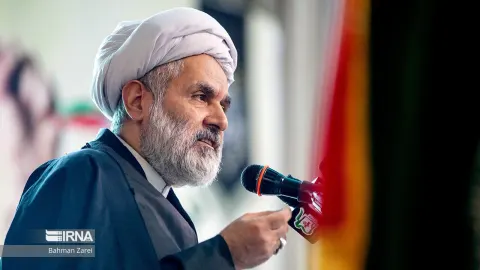
The ephemeral hope of a swift resolution to the Strait of Hormuz crisis has evaporated, replaced by a harsh new economic reality for Iranian markets. The shift occurred after Donald Trump demanded 50 years of compensation from the Iranian government as a prerequisite for any maritime de-escalation deal. This hardline stance has effectively killed the 'Hormuz relief' trade that some speculators were betting on. In Tehran, the reaction was immediate and punishing: the USD sell rate rose from 185,200 to 188,500 Toman, marking a 1.8% devaluation in just 24 hours. This sudden spike reflects a deep-seated fear that the current standoff is entering a protracted phase with no diplomatic off-ramp in sight.
The volatility has not been limited to the currency market. Gold, the traditional sanctuary for Iranian savers, saw the Emami coin jump from 186,500,000 to 190,000,000 Toman (+1.9%), while 18k gold rose 1.5% to reach 19,077,519 Toman per gram. Even as global gold prices hover near $4,393 an ounce, the local premium in Iran is widening due to the collapsing confidence in the Rial. For the average citizen, this translates to an immediate loss of purchasing power and a renewed rush into hard assets. The 'Trump factor' has once again proven to be the primary driver of Iranian macro-instability, overriding any attempts by the local central bank to stabilize the floor.

---
OPEC Ramps Up Production Amid Geopolitical Friction
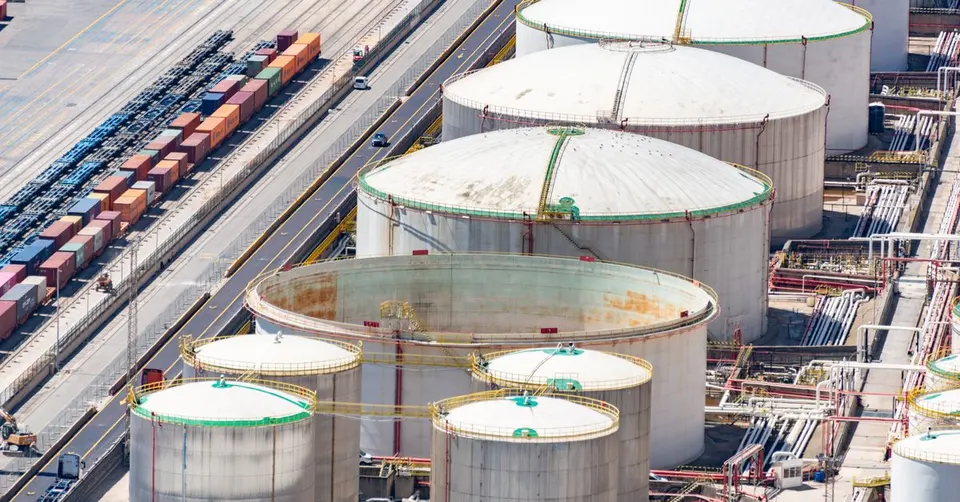
New data from the energy sector reveals that OPEC production jumped by a significant 1.17 million barrels per day in July, as Gulf producers move to restore output that was previously sidelined by the closure of the Strait of Hormuz. Total output for the 11-member group has risen to 19.85 million bpd, a sign that major exporters are desperate to recoup lost revenues. However, despite this increase in supply, oil prices remain stubbornly high, trading near $89 per barrel. This disconnect suggests that the market is less concerned with physical barrels and more focused on the massive geopolitical risk premium associated with the ongoing US-Iran standoff.
For the global economy, this increase in OPEC output is a double-edged sword. While it provides a buffer against supply shocks, it also highlights the internal pressures within the cartel as members struggle to meet their quota targets while navigating regional conflicts. In Iran, the government continues to claim that 'health diplomacy' and alternative trade routes are mitigating the impact of sanctions, but the market data tells a different story. As long as the primary shipping lanes are subject to political blackmail and military threats, the global energy market will remain in a state of high-cost limbo, keeping inflationary pressures high for both Western consumers and emerging markets alike.
---
Regional Shocks: From Colombian Quakes to Syrian Verdicts
While the financial world focuses on Hormuz, other significant events are reshaping the global landscape. In Colombia, a powerful earthquake has struck a line of cities near its epicenter, causing major structural damage and prompting a massive emergency response. Although the capital, Bogota, was largely spared, the disruption to regional infrastructure could have knock-on effects for South American trade routes. Meanwhile, in a landmark legal development, a Syrian court has sentenced former President Bashar al-Assad to death in absentia for crimes against humanity. This verdict, the first since his flight to Russia in 2024, serves as a symbolic but potent reminder of the shifting legal sands for former regional autocrats.
These events, though geographically distant, contribute to an overall sense of global instability that feeds back into the safe-haven demand for gold and the US dollar. In Iran, the arrival of Pakistan’s Interior Minister for talks in Tehran suggests a frantic effort by the leadership to shore up regional alliances as the economic pressure from the West intensifies. Whether these diplomatic maneuvers can provide any real relief to the domestic economy remains doubtful, as the structural problems of inflation and currency devaluation are now deeply entrenched and exacerbated by every new external shock.
Frequently Asked Questions
Why is Joby Aviation moving into the defense sector?
How did Donald Trump's latest statements affect the Iranian Toman?
Is the increase in OPEC production lowering oil prices?
The Geopolitical Significance of the Strait of Hormuz
The Strait of Hormuz is a narrow, strategically vital waterway connecting the Persian Gulf to the Arabian Sea and the broader Indian Ocean. For centuries, it has served as a crucial maritime chokepoint, but its modern significance is overwhelmingly tied to global energy markets. Approximately one-fifth of the world's total petroleum consumption, and a substantial portion of its liquefied natural gas (LNG), passes through this 21-mile-wide passage daily. This makes it an indispensable artery for international trade, particularly for oil-exporting nations in the Middle East and energy-importing economies worldwide.
Given its critical role in global energy supply, any disruption or threat to shipping in the Strait of Hormuz can send immediate shockwaves through international markets. Geopolitical tensions, particularly involving Iran which borders the strait, frequently elevate concerns about potential blockades or attacks on tankers. Such anxieties directly impact oil prices, as traders factor in the risk of supply interruptions. Higher oil prices can then lead to increased inflation globally and slow down economic growth, affecting consumers and businesses alike.
Beyond its impact on global energy prices, instability in the Strait of Hormuz has profound consequences for regional economies. For countries like Iran, whose economy is heavily reliant on oil exports, any perceived threat to the strait can trigger significant domestic economic instability. This can manifest as currency depreciation, as investors lose confidence and capital flows out of the country, and a rise in the price of safe-haven assets like gold as citizens seek to protect their wealth from inflation and uncertainty.
Understanding the Strait of Hormuz isn't just about geography; it's about recognizing a nexus where geopolitics, energy security, and global economics converge. Its continued open and safe passage is paramount for the stability of the world economy, making it a constant focal point in international relations and a barometer of regional tensions.
Topics
Related Articles