
Mangione Jury Goes Anonymous Amid Corporate Unrest as Red Sea Strikes Push Toman to 187,800
دادگاه جنجالی مدیرعامل آمریکایی و حملات مرگبار حوثیها؛ جهش قیمت دلار و طلا در بازار تهران
A high-profile US murder trial moves to protect jurors as corporate tensions rise, while a deadly Houthi strike in the Red Sea and the continued closure of the Strait of Hormuz have pushed the Toman down 1.4% against the dollar.
At time of publishing
USD
187,800
Toman
Gold 18K
19.23M
Toman / gram
Bitcoin
$63,296
US Dollar
Tether
188,600
Toman
The Trial of the Century: Security Tightens Around Mangione Case
The state murder trial of Luigi Mangione, the man accused of killing UnitedHealthcare CEO Brian Thompson, has reached a critical procedural turning point. A judge has officially ruled that the jury in this high-profile case will remain anonymous, citing the intense public scrutiny and the potential for harassment or intimidation. This decision highlights the deep societal divisions the case has exposed, as many view the incident not just as a criminal act, but as a violent manifestation of systemic frustration with the American healthcare industry. To accommodate the unprecedented global interest, the court is also preparing overflow seating for the media and the public.
For the global observer, and particularly for those in markets like Iran, the Mangione trial is more than a legal drama; it is a barometer of social stability in the world’s largest economy. When corporate leaders are targeted and the justice system must take extraordinary measures to protect its citizens, it signals a level of domestic friction that can influence broader market sentiment. In Tehran, where economic hardship is often blamed on external pressures, seeing similar structural anger in the West provides a complex backdrop to the current geopolitical standoff.

Red Sea Escalation and the Toman's Sharp Decline
Geopolitical tensions have taken a deadly turn as Houthi forces reported their first fatal attack since the start of the current regional conflict, claiming the lives of six individuals on a vessel allegedly carrying Saudi military equipment. This escalation has sent immediate ripples through the Iranian currency market. The USD/IRR rate moved from 185,200 to 187,800, representing a 1.4% depreciation of the Toman in just 24 hours. The market is reacting to the reality that the 'shadow war' is transitioning into a direct and lethal confrontation, further complicating any hopes for a swift diplomatic resolution.
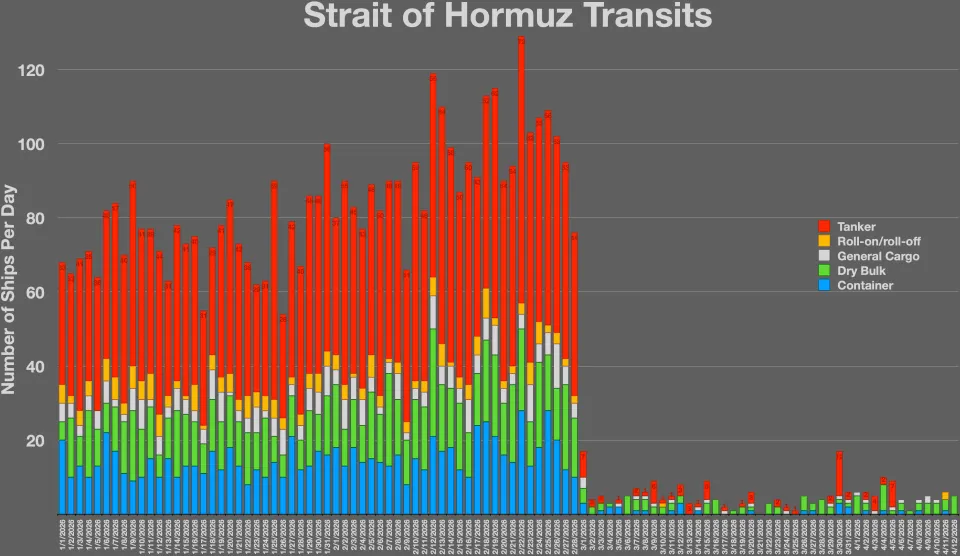
Compounding the currency's slide is the firm stance taken by Iranian officials regarding the Strait of Hormuz. Mohsen Rezaei, secretary of the Supreme National Security Council, stated that the vital waterway will remain closed until the United States meets specific conditions, including the unfreezing of Iranian funds held abroad. This deadlock has fueled a flight to safety within Iran, with Gold 18k/gram prices surging from 18,791,264 to 19,229,881 Toman, a significant 2.3% jump. Investors are clearly bracing for a prolonged period of isolation and maritime disruption.
Global Shocks: From AI Milestones to Colombian Tragedy
While the Middle East remains a flashpoint, the tech world is witnessing a massive shift in user behavior as Google’s Gemini app officially surpassed one billion monthly active users. This surge places Gemini on equal footing with OpenAI’s ChatGPT, which hit the same milestone in June. The rapid adoption of AI tools suggests a fundamental restructuring of how information is processed globally. Even as Iran faces connectivity challenges, the local tech community continues to monitor these developments closely, as the integration of AI into global finance and logistics could eventually redefine how sanctions-hit economies operate in the digital shadows.
However, the global mood is tempered by a major humanitarian disaster in South America. The death toll from the recent earthquake in Colombia has risen to at least 181, with rescuers in cities like Cali working against the clock to find survivors trapped beneath the rubble. Such events often trigger a temporary shift in global risk appetite, as international aid and attention are diverted to disaster zones. For the Iranian reader, these stories serve as a reminder of the volatility of the current era, where technological triumphs, legal battles, and natural disasters coexist with the persistent threat of regional war.

Domestic Policy and the Risk of Mismanagement
In a secondary but notable development, concerns are rising in the UK over proposed changes to prisoner release schemes. Unions have warned that plans to stop the early release of certain serious offenders could inadvertently lead to the mistaken release of more dangerous individuals due to administrative overloads. This story serves as a cautionary tale for any government—including Iran's—about the dangers of reactive policymaking. When institutions are stretched thin by political pressure or economic crisis, the risk of catastrophic administrative failure increases, further eroding public trust in the state's ability to maintain basic order.
Frequently Asked Questions
Why is the jury in the Luigi Mangione trial anonymous?
What caused the 1.4% jump in the USD/IRR rate today?
How does Google's Gemini reaching 1 billion users affect the market?
What are Iran's conditions for reopening the Strait of Hormuz?
Understanding Currency Devaluation: Why the Iranian Rial Slips Against the Dollar
Exchange rates are the price of one currency expressed in terms of another. They can be set by a pure market mechanism (floating), fixed by a government (pegged), or managed within a band (managed float). In a floating regime the rial’s value is determined by supply and demand in the foreign‑exchange market, while a peg forces the central bank to intervene to keep the rate at a predetermined level.
Currency devaluation occurs when a country deliberately lowers the official value of its money relative to foreign currencies. In Iran, a combination of heavy U.S. sanctions, dwindling oil export revenues, and chronic inflation has forced the Central Bank of Iran to let the rial float more freely since 2018. The result has been a rapid depreciation: the official rate may show 42,000 rials per US$1, but the market rate often trades above 500,000, reflecting the loss of confidence and limited access to hard currency.
A weaker rial makes imported goods more expensive, which fuels inflation and pushes Iranians toward hard assets such as gold. Tehran’s gold price has surged well above the global benchmark, acting as a hedge against the falling currency. At the same time, a devalued rial raises the cost of foreign debt and hampers businesses that rely on imported inputs, creating a feedback loop that can deepen economic instability.
Policymakers can try to stabilize the exchange rate by tightening monetary policy, building foreign‑exchange reserves, or negotiating sanction relief. However, without a credible commitment to structural reforms, any artificial support is likely to be short‑lived. Understanding how devaluation works helps explain why headlines about the USD‑IRR rate, gold prices in Tehran, and broader corporate unrest are all linked to the same underlying macro‑economic dynamics.
Topics
Related Articles