Iran to Join BRICS Bank as Bitcoin Stalls at $63k Ahead of US Inflation Data
گام بلند ایران برای پیوستن به بانک بریکس؛ بیتکوین در انتظار دادههای تورم آمریکا آرام گرفت
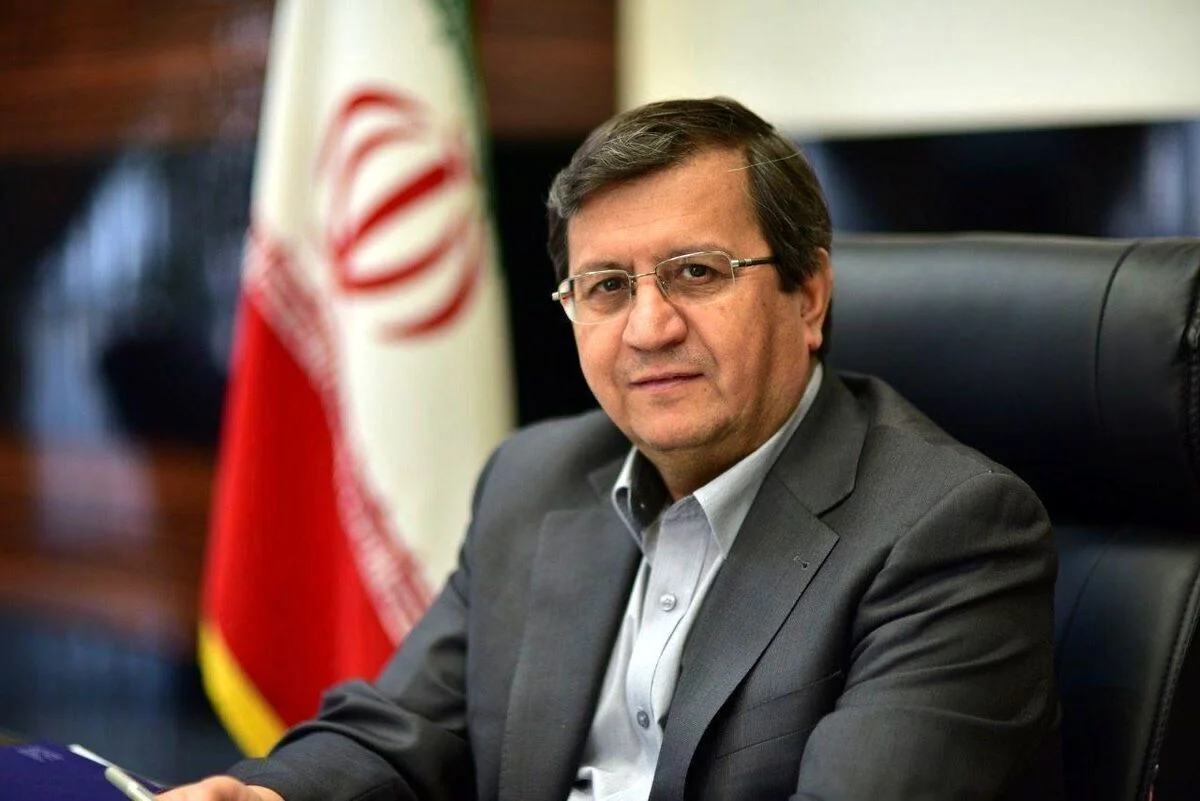
CBI Governor Abdolnaser Hemmati confirms Iran's imminent entry into the BRICS New Development Bank, signaling a strategic shift away from Western financial systems. Meanwhile, Bitcoin remains flat as global markets brace for critical US CPI data.
At time of publishing
USD
187,800
Toman
Gold 18K
19.11M
Toman / gram
Bitcoin
$63,762
US Dollar
Tether
187,422
Toman
Iran Eyes BRICS Bank Membership to Bypass Sanctions
Abdolnaser Hemmati, the Governor of the Central Bank of Iran (CBI), announced on Wednesday that Iran is in the final stages of joining the New Development Bank (NDB), the multilateral financial institution established by the BRICS nations. This move is a cornerstone of Tehran's strategy to diversify its international financial partnerships and reduce its reliance on the US-dominated SWIFT system. Hemmati emphasized that membership would facilitate greater monetary and banking cooperation among member states, potentially opening doors for infrastructure financing that does not require the use of the US dollar.
For the domestic market, this announcement arrives as the USD/IRR exchange rate remains steady at 187,800 Toman. While the long-term goal of joining the NDB is to stabilize the economy through alternative credit lines, the immediate impact on the Rial is likely to be psychological rather than structural. Investors are cautiously observing whether this diplomatic pivot will actually translate into improved foreign currency liquidity or if it remains a symbolic gesture against "Zionist-American" financial hegemony, a term frequently used by state officials to describe the current global order.

Bitcoin Flat at $63,000 as Markets Await US CPI Data
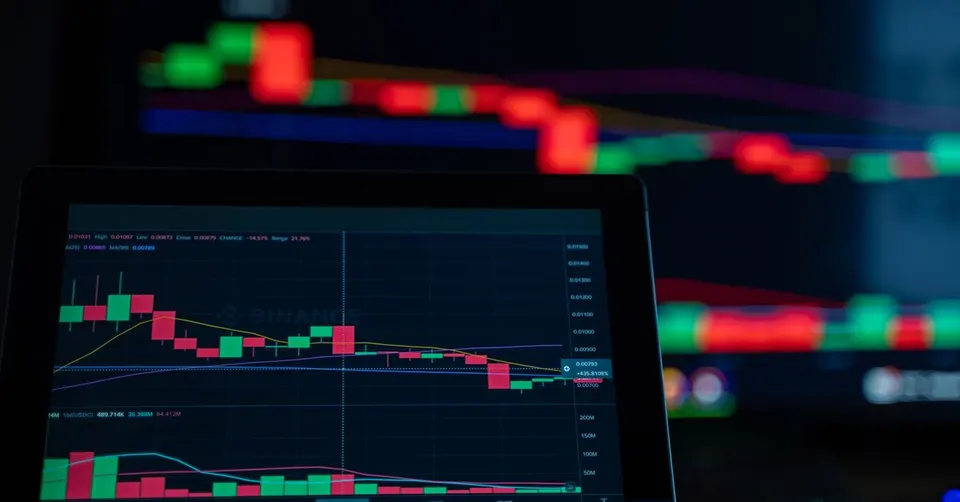
In the global digital asset space, Bitcoin (BTC) has entered a period of consolidation, trading around the $63,762 mark. The market is currently in a "wait-and-see" mode as investors anticipate the release of the US Consumer Price Index (CPI) data. This report is critical because it will largely determine the Federal Reserve's next move regarding interest rates. If inflation shows a significant cooling trend, it could pave the way for a rate cut, which traditionally acts as a catalyst for risk-on assets like cryptocurrencies. Conversely, sticky inflation might keep rates higher for longer, suppressing the recent momentum seen in the crypto sector.
Adding to the local market context, gold prices in Iran have seen a slight correction, with 18k gold dropping from 19,229,881 to 19,114,455 Toman, a decrease of 0.6%. This minor dip suggests that domestic investors might be moving some capital back into the currency or crypto markets in anticipation of global volatility. Meanwhile, institutional activity remains high elsewhere; Japan's Metaplanet recently moved over 3,800 BTC between its internal wallets. Although this was not a sale, it highlights the growing scale of corporate Bitcoin holdings even during periods of price stagnation.
Regional Tensions and Leadership Shifts in the IRGC
On the security front, Major General Ahmad Vahidi, the commander of the Islamic Revolution Guards Corps (IRGC), has formally pledged the force's full support to the newly appointed Chief of the Armed Forces General Staff, Major General Ali Abdollahi. In a statement reported by state media, Vahidi reiterated the IRGC's commitment to fulfilling the Supreme Leader's directives, specifically focusing on a "model of resistance." These leadership shuffles often signal a hardening of the domestic and regional posture, particularly as the government continues to navigate high-stakes tensions with the West and regional rivals.
This consolidation of military leadership occurs against a backdrop of renewed energy security concerns. A drone strike recently hit a power station at the Zawiya oil export terminal in Libya, a key hub for Mediterranean energy supplies. While no group has claimed responsibility, the attack on such a vital infrastructure point—capable of holding millions of liters of fuel—reminds global markets of the fragility of the energy supply chain. For Iran, any disruption in global oil flows typically creates a complex dynamic: while it can drive up the price of crude, it also increases the geopolitical risk premium across the Middle East, often leading to fluctuations in the domestic price of gold and the USD.

Europe Braces for a Rare Total Solar Eclipse
In a departure from the heavy news of finance and conflict, millions across Europe and parts of Africa are preparing for a rare total solar eclipse. The event, which will see day turn to night across parts of northern Spain, is the first of its kind in mainland Europe since 2006. Enthusiasts have reportedly packed trains and booked out carpools to reach the best viewing spots in Madrid and beyond. Scientists and astronomers are using the event to study the Sun's corona, while local economies in the path of totality are seeing a massive surge in tourism-related spending.
While seemingly unrelated to the Iranian economy, such global events often dominate international media cycles, providing a brief respite from the relentless flow of macroeconomic data. However, for the logistics and travel sectors, the eclipse represents a significant operational challenge, with authorities in Spain and France managing record-breaking crowds. It serves as a reminder of how celestial events can still command the world's undivided attention, even in an era of digital distraction and geopolitical turmoil.
Frequently Asked Questions
What is the New Development Bank and how does it help Iran?
Why is Bitcoin's price stuck at $63,000 right now?
Why did the price of 18k gold drop in Iran today?
Is the drone strike in Libya affecting global oil prices?
The BRICS Bloc and the New Development Bank: Shaping a Multipolar Financial World
The news of Iran's potential entry into the BRICS bank highlights a significant shift in global economic and geopolitical dynamics. BRICS is an acronym for a group of major emerging economies: Brazil, Russia, India, China, and South Africa. Formed in 2009, the bloc has expanded to include new members like Saudi Arabia, Egypt, Ethiopia, and the UAE, with Iran's membership further diversifying its reach. At its core, BRICS aims to foster greater economic cooperation among its members and provide an alternative to the existing Western-dominated international financial architecture.
A cornerstone of the BRICS initiative is the New Development Bank (NDB), often referred to as the "BRICS Bank." Established in 2014, the NDB's primary purpose is to mobilize resources for infrastructure and sustainable development projects in BRICS and other emerging economies. Unlike institutions like the World Bank or the International Monetary Fund (IMF), which are largely influenced by Western powers, the NDB operates with an equal shareholding and voting rights among its founding members, reflecting a more balanced governance structure.
The expansion of BRICS and the growing prominence of the NDB are often seen as part of a broader trend towards "de-dollarization" – a deliberate effort by various nations to reduce their reliance on the US dollar for international trade, finance, and reserves. By offering financing in local currencies and promoting trade settlement outside the dollar system, the NDB provides member states with greater financial autonomy and resilience against potential sanctions or currency fluctuations tied to the dollar.
For countries like Iran, joining the NDB offers a crucial pathway to access alternative sources of development finance, facilitate trade with major global economies without sole reliance on Western financial channels, and potentially mitigate the impact of international sanctions. It represents a strategic move to integrate into an emerging economic order that seeks to challenge the unipolar financial system and foster a more multipolar world.
Topics
Related Articles