Tourism Hits and Decoy Jets: The High Cost of the Iran-US Stalemate
بحران در آسمان و زمین؛ از هواپیمای بدل ترامپ تا ضرر ۶۰ میلیون یورویی غول گردشگری اروپا
Global travel giant Tui reports massive losses as regional instability deters holidaymakers, while Donald Trump resorts to decoy flights amid credible security threats. Meanwhile, energy markets remain on edge as oil prices climb toward $90 despite conflicting reports on the status of the Strait of Hormuz.
At time of publishing
USD
187,800
Toman
Gold 18K
19.14M
Toman / gram
Bitcoin
$64,021
US Dollar
Tether
187,400
Toman
The Economic Toll of Regional Instability
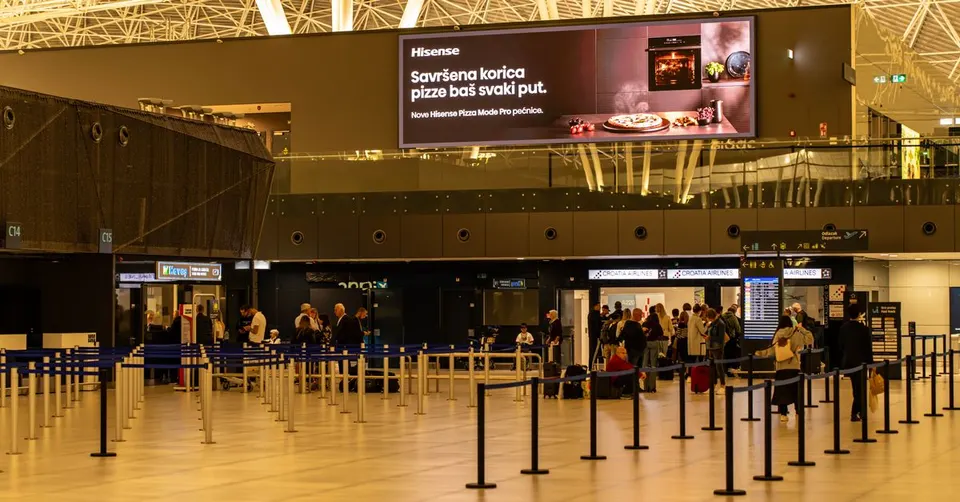
The ripple effects of the ongoing conflict involving Iran are now manifesting in the balance sheets of Europe’s largest corporations. Tui, the continent's premier travel company, has officially reported a loss of approximately €60 million ($51 million) directly attributed to the geopolitical volatility in the Middle East. According to the company, holidaymakers are increasingly adopting a "wait-and-see" approach, delaying bookings for popular destinations like Cyprus and Turkey. This hesitation stems from a combination of the war's unpredictability and a persistent cost-of-living crisis that has left European households more cautious with their discretionary spending.
This shift in consumer behavior represents a significant challenge for the travel industry, which had only recently begun to stabilize following the pandemic years. Tui noted a temporary but sharp drop-off in demand for Mediterranean corridors immediately following the escalation of hostilities in late February. For the Iranian reader, this underscores how regional tensions translate into broader economic isolation; as international firms take hits to their revenue, the appetite for maintaining open trade and travel routes with the region diminishes, further tightening the economic noose around the local economy.
High-Stakes Decoys in the Sky
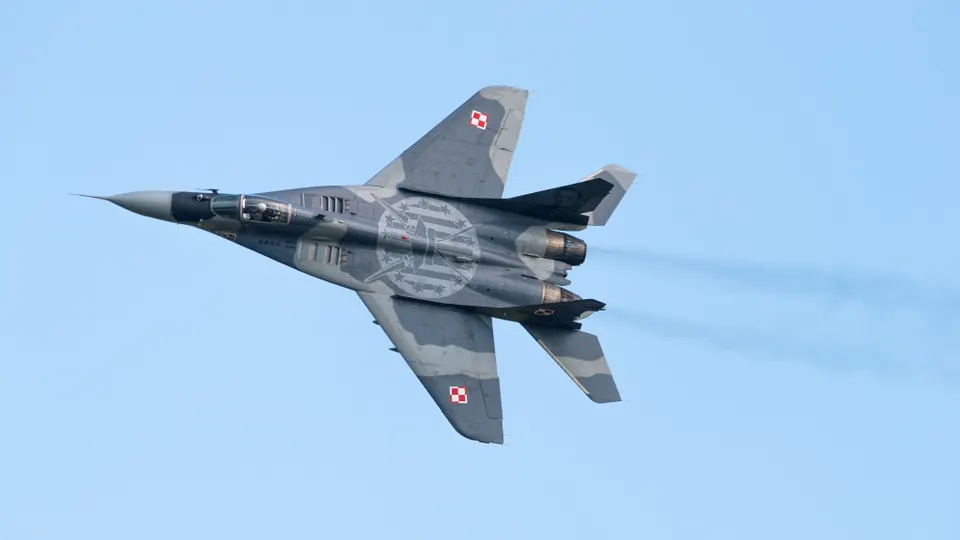
The security situation has reached a fever pitch, with recent reports detailing an elaborate ruse employed by the U.S. administration to protect Donald Trump. Last month, a secret flight switch was executed in Turkey, where Trump was moved off Air Force One to a different aircraft to evade potential Iranian missile strikes or assassination attempts. This maneuver left aides and journalists on the original jet, which served as a high-profile decoy. Analysts suggest this level of precaution indicates that U.S. intelligence views the threats from Tehran as highly credible, particularly following the February strikes that significantly impacted the Iranian leadership.
While the Trump campaign has attempted to play down the severity of the flight switch, the political fallout in Washington is growing. Democrats are calling for urgent congressional briefings to understand the extent of the threat and the resources being diverted to manage it. This atmosphere of paranoia and extreme security not only complicates the U.S. presidential race but also signals a long-term shift in how high-ranking officials interact with the global stage. For the markets, such high-level friction often translates into a 'geopolitical risk premium' that keeps asset prices volatile and unpredictable.
The Battle for the Strait of Hormuz
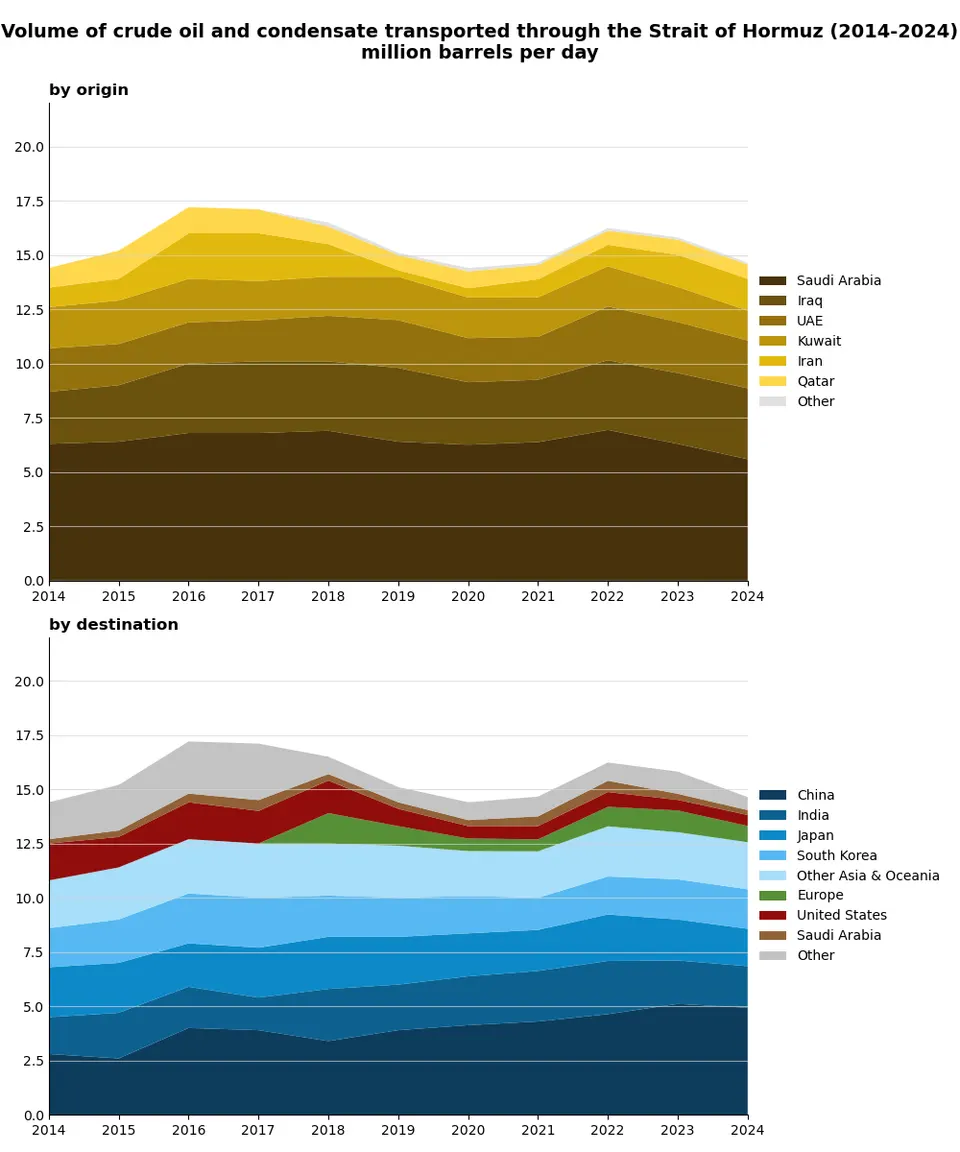
Energy markets are currently locked in a state of confusion as the United States and Iran offer diametrically opposed narratives regarding the status of the Strait of Hormuz. Brent Crude oil prices rose by 0.64% to $89.60 per barrel on Wednesday morning, while WTI Crude increased by 0.94% to $83.90. These price hikes are driven by Iran’s persistent claims that the vital waterway will remain closed unless the U.S. meets specific diplomatic demands. Conversely, U.S. Secretary of Energy Chris Wright has asserted that oil flows have normalized, citing data that suggests traffic is actually above pre-conflict averages.
However, independent tanker tracking data appears to contradict the optimistic U.S. assessment. The discrepancy between official statements and satellite imagery has left traders in a state of anxiety, fearing a sudden supply shock if the stalemate persists. Adding to the maritime chaos, a Houthi strike on a food supply ship in the Red Sea resulted in six fatalities today, further complicating the logistics of global trade. For Iranians, the stagnation of the domestic currency—with the USD sell rate holding steady at 187,800 Tomans—reflects this external deadlock, as the market waits for a definitive signal of either de-escalation or total blockade.
AI Hardware: The New Target for Violent Crime
Beyond the traditional battlefields of energy and diplomacy, a new front has opened in the technology sector. In California, experts are warning of a surge in violent cargo thefts specifically targeting AI hardware. Organized criminal groups are now bypassing traditional consumer electronics in favor of high-end servers and data center equipment. This shift is a direct result of the astronomical demand for computing power, with AI capital expenditure expected to hit a staggering $1.6 trillion next year.
These thefts are described as the "worst ever seen" by security professionals, involving sophisticated logistics and high-level violence. As companies like CoreWeave report massive revenue growth from AI infrastructure, the physical components of the digital revolution have become more valuable than gold. This trend highlights a critical vulnerability in the global tech supply chain: as the world becomes more dependent on AI, the physical security of the machines that power it is becoming as important as the code itself. For investors, this adds a new layer of operational risk to the booming tech sector.
Frequently Asked Questions
Why is Tui reporting such significant losses?
Is the Strait of Hormuz actually closed to oil traffic?
What is the 'decoy plane' incident involving Donald Trump?
Why has AI hardware become a target for violent theft?
Understanding the Geopolitical Risk Premium
The Geopolitical Risk Premium is a fundamental concept in economics and finance, representing the additional cost or return demanded by investors and markets for holding assets or conducting business in an environment perceived to be unstable due to political events, conflicts, or international tensions. It's essentially a market's way of pricing uncertainty, reflecting the anticipated impact of potential political disruptions on economic activity and asset values. This premium isn't always tied to an actual event but often to the threat or perception of one, making it a powerful, albeit often invisible, economic force.
This premium is particularly evident in commodity markets, especially oil. When tensions rise in critical regions like the Middle East—for instance, around the Strait of Hormuz, a vital oil transit choke point—the risk of supply disruption increases. Traders factor this into global benchmarks like Brent crude prices, pushing them higher even without actual supply cuts. Similarly, currencies of nations directly affected by geopolitical instability, such as the Iranian Rial, can depreciate significantly against safer haven currencies like the U.S. Dollar, as investors flee perceived risk and seek more stable assets.
Beyond commodities and currencies, geopolitical risk premiums ripple through the broader economy. Businesses face higher insurance costs, disrupted supply chains, and reduced foreign direct investment. Sectors like tourism experience direct losses as travelers avoid perceived danger zones, impacting companies like Tui. This premium represents a tangible economic cost of political instability, making long-term planning difficult and diverting resources that could otherwise be used for productive investment and growth. It highlights how political stalemates, like the Iran-US tensions, impose a significant and often hidden economic burden, affecting everything from oil prices to travel bookings.
Topics
Related Articles