
Hormuz Traffic Hits Weekly Low as Tui Reports €60m War Loss; Meta Faces 'Big Tobacco' Trial
کاهش ترافیک در تنگه هرمز و خسارت ۶۰ میلیون یورویی غول گردشگری اروپا؛ دادگاه جنجالی متا آغاز شد
Global shipping through the Strait of Hormuz has plummeted to a weekly low as regional tensions persist, while Europe's largest travel company, Tui, reports massive losses due to the ongoing conflict. Meanwhile, Meta faces a landmark trial over social media addiction in what experts call a defining moment for big tech.
At time of publishing
USD
187,800
Toman
Gold 18K
19.12M
Toman / gram
Bitcoin
$64,156
US Dollar
Tether
187,185
Toman
The Economic Toll of Regional Instability: Hormuz and Tourism
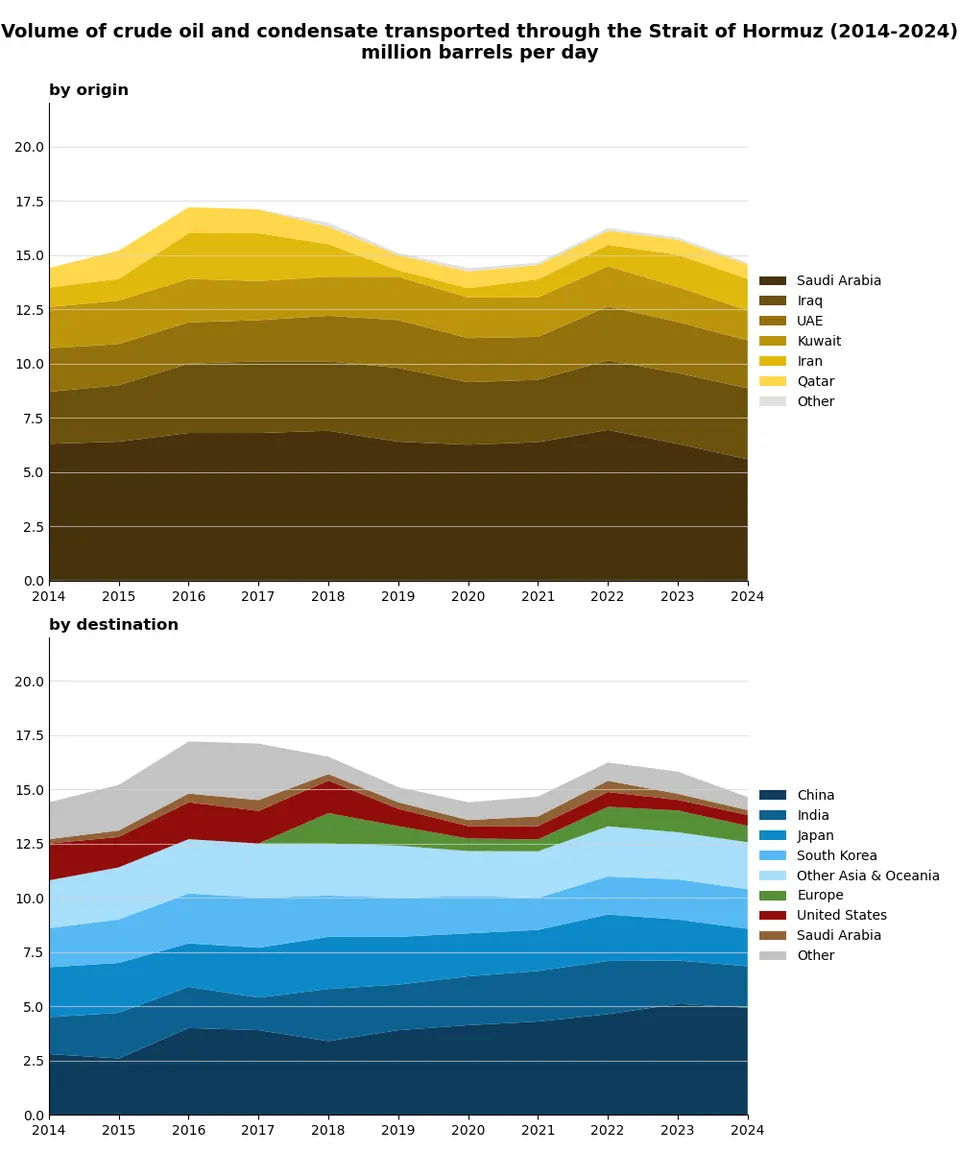
The ongoing geopolitical standoff in the Middle East is manifesting in concrete, worrying data for global markets. Ship traffic through the Strait of Hormuz, one of the world's most critical energy chokepoints, hit a weekly low this Tuesday. According to shipping data from Kpler, only eight vessels moved through the strait, a significant drop from the 10-day average of twelve. Before the current escalation, nearly 20 million barrels of oil flowed through this artery daily. The decline reflects a growing reluctance among vessel owners to risk their assets in a volatile environment, maintaining a high risk premium on global energy prices and keeping the Iranian economy in a state of high-alert stagnation.
This maritime slowdown is mirrored by a sharp financial hit to the European travel sector. Tui, Europe’s largest travel company, has revealed that the war in Iran and the broader cost-of-living crisis have already cost the firm approximately €60 million. The company noted a temporary but sharp drop-off in bookings for destinations like Cyprus and Turkey immediately following the outbreak of hostilities in late February. For the Iranian market, this data is a sobering reminder of how regional conflict bleeds into the broader economy, affecting everything from currency stability to foreign exchange earnings. Currently, the USD/IRR remains flat at 187,800, but the lack of trade and tourism activity suggests a fragile equilibrium that could shift with the next headline.
Meta’s 'Big Tobacco' Moment and the Future of Tech
In the technology sector, a landmark legal battle is unfolding that could redefine the industry for decades. Meta, the parent company of Facebook and Instagram, is facing a high-stakes trial today over allegations that it intentionally designed its platforms to be addictive to children and young users. Analysts are describing this as social media’s "Big Tobacco moment," suggesting that tech giants may soon be held to the same liability standards as cigarette manufacturers or pharmaceutical companies. The trial focuses on the psychological harm caused by algorithmic feeds, with internal documents reportedly showing that the company was aware of the negative impacts but prioritized engagement over safety.
For investors and tech enthusiasts, this trial represents a significant regulatory pivot. If Meta is found liable, it could trigger a global wave of litigation and forced design changes that would fundamentally alter the profitability of the ad-driven social media model. This comes at a time when the broader market is already sensitive to regulatory shifts, especially in the AI and crypto sectors. While Bitcoin (BTC) is currently trading at $64,156, the sentiment in the tech-heavy Nasdaq often spills over into the digital asset space. A major legal defeat for Meta could dampen investor appetite for high-growth tech stocks, leading to a broader de-risking phase across global portfolios.

Justice Served and the Solar Eclipse Frenzy
In the United Kingdom, a major legal saga reached its conclusion as Simon Levy was handed a whole-life tariff for the murders of Carmenza Valencia-Trujillo and Sheryl Wilkins. Levy, a serial sex offender, will never leave prison after a series of police errors allowed him to remain free long enough to commit these heinous crimes in 2025. The sentencing has sparked a national conversation about institutional accountability and the protection of women. While seemingly removed from the world of finance, such high-profile cases often dominate public sentiment, reflecting a broader era of distrust in traditional institutions that indirectly fuels interest in decentralized systems and alternative assets.
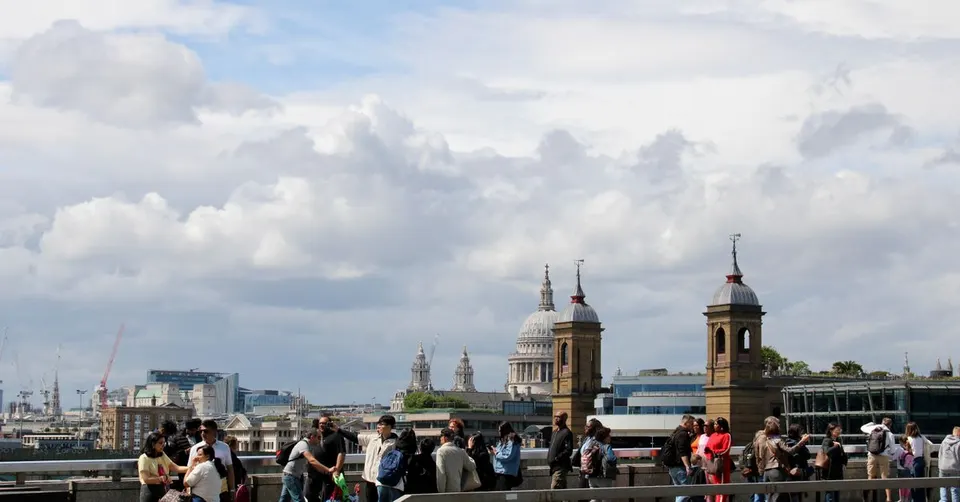
Meanwhile, a more literal shadow is falling over Europe and North America as a rare total solar eclipse approaches this Wednesday. In London, a frenzy for protective eyewear has seen prices surge and stocks sell out completely. Interestingly, some market analysts have pointed to the potential for an "eclipse dip" in stock prices, citing historical patterns where cosmic events lead to temporary market volatility or reduced trading volumes as investors turn their attention skyward. While the eclipse is unlikely to disrupt the long-term bull market, it serves as a reminder of how psychological and cultural events can momentarily eclipse even the most pressing economic data.
Frequently Asked Questions
Why is ship traffic in the Strait of Hormuz decreasing?
How has the conflict in Iran affected European tourism?
What is the 'Big Tobacco' moment for Meta?
The Strategic Importance of Chokepoints in Global Energy Security
In the intricate web of global trade, certain narrow maritime passages hold disproportionate strategic importance. These are known as chokepoints, and they are critical for the movement of goods, particularly energy resources. Their vulnerability to political instability, conflict, or even natural disasters means that disruptions can have far-reaching economic and geopolitical consequences, affecting everything from oil prices to national security.
The Strait of Hormuz stands as one of the most vital chokepoints in the world. Situated between the Persian Gulf and the Gulf of Oman, it is the sole maritime passage from the oil-rich Persian Gulf to the open ocean. A staggering percentage of the world's seaborne crude oil and liquefied natural gas (LNG) passes through this 21-mile-wide strait daily, making it indispensable for global energy supply. Any significant impediment to traffic here can send shockwaves through international markets.
Geopolitical tensions, such as those alluded to by the mention of "Iran war" in the headline, frequently highlight the precariousness of such chokepoints. Threats to navigation in the Strait of Hormuz can lead to immediate spikes in oil prices, creating supply shocks that impact economies worldwide. For nations heavily reliant on imported energy, the security of these maritime routes is paramount, directly influencing their global energy security and economic stability.
Understanding the role of chokepoints like the Strait of Hormuz is crucial for comprehending the dynamics of international relations, the volatility of energy markets, and the interconnectedness of the global economy. Their strategic significance means they are often at the nexus of political disputes, military posturing, and international efforts to ensure the free flow of trade.
Topics
Related Articles