Eclipse Shadows Europe as IEA Warns of 1.8M Barrel Oil Deficit; Toman Holds Steady at 187k
سایه کسوف بر اروپا و هشدار آژانس انرژی درباره کسری نفت؛ ثبات دلار در مرز ۱۸۷ هزار تومان
As millions in Europe prepare for a historic total solar eclipse, the IEA has slashed supply forecasts due to the ongoing Strait of Hormuz closure. Meanwhile, the Toman remains flat against the dollar as markets await US inflation data.
At time of publishing
USD
187,800
Toman
Gold 18K
19.14M
Toman / gram
Bitcoin
$64,232
US Dollar
Tether
186,952
Toman
Darkness at Noon: Europe Braces for the Great Eclipse
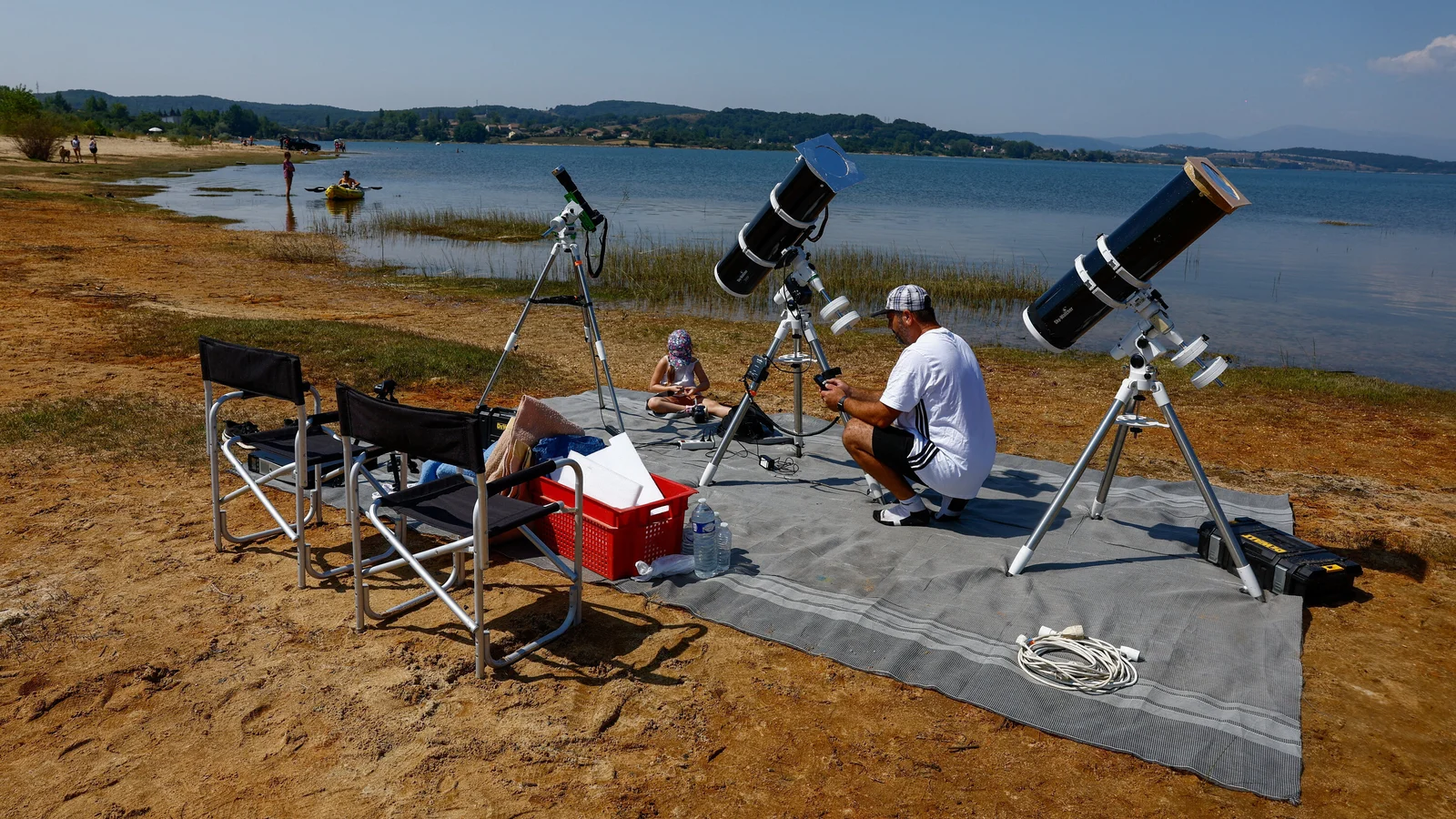
As 16:00 Tehran time passes, millions of skywatchers across Europe, from Iceland to Spain, are positioning themselves for the first total solar eclipse in mainland Europe in over two decades. While the event is a celestial spectacle for the public, it has triggered a high-stakes emergency for energy grid operators. The UK’s National Energy System Operator has already issued warnings of tighter power margins, as the eclipse is expected to block solar generation between 18:00 and 20:00 local time. This loss of renewable input coincides with a major heatwave sweeping the continent, creating a "perfect storm" where cooling demand is peaking just as the lights—literally—go out on solar farms.

Beyond the immediate logistical hurdles, the eclipse is casting a psychological shadow over the financial markets. Historically, rare astronomical events have been linked to short-term volatility as institutional algorithms and human traders alike react to the disruption of normal routines. Analysts at MarketWatch have noted that while an eclipse rarely ends a bull market, the temporary dip in productivity and the focus on the "black swan" event can lead to a cooling of trading volumes. In London’s West End, the deployment of live facial recognition cameras during the crowds adds a layer of geopolitical tension to the festivities, as civil rights groups clash with the Metropolitan Police over the ethics of mass surveillance under the cover of darkness.
The 1.8 Million Barrel Void: IEA Sounds the Alarm
The International Energy Agency (IEA) has delivered a sobering update to the global energy market this hour, slashing its 2026 supply forecast as the Strait of Hormuz remains effectively impassable. The agency now expects a global oil deficit of 1.8 million barrels per day (bpd) this quarter, a significant jump from previous estimates. This shortfall is largely driven by the failure of diplomatic efforts to reopen the world's most critical maritime chokepoint. With global supply expected to plunge to just 102.02 million bpd, the lowest forecast for the year, the energy security of Europe and Asia is hanging by a thread.
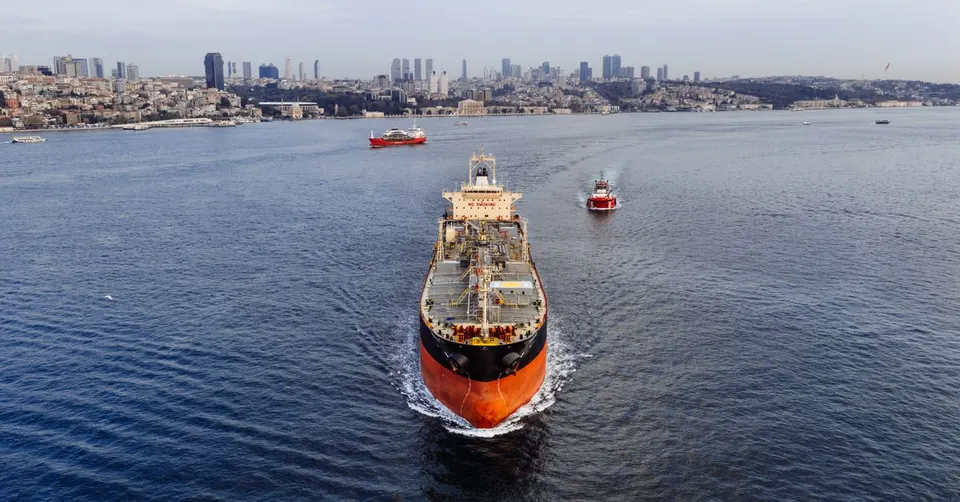
In Tehran, the official stance remains defiant. Iranian officials have reiterated that the waterway will stay closed until the United States meets specific demands and fundamentally changes its "behavior" regarding regional sanctions. This geopolitical stalemate is the primary engine behind the rising energy costs that are beginning to bleed into global inflation figures. While oil prices hover near $90, the physical reality of empty tankers and redirected shipping routes around the Cape of Good Hope is creating a structural deficit that no amount of strategic reserve releasing can fully mitigate. For the Iranian economy, this leverage is a double-edged sword: it provides a powerful bargaining chip but further isolates the nation from the very global financial systems it seeks to rejoin.
AI’s Environmental Reckoning: From the Everglades to the Moors
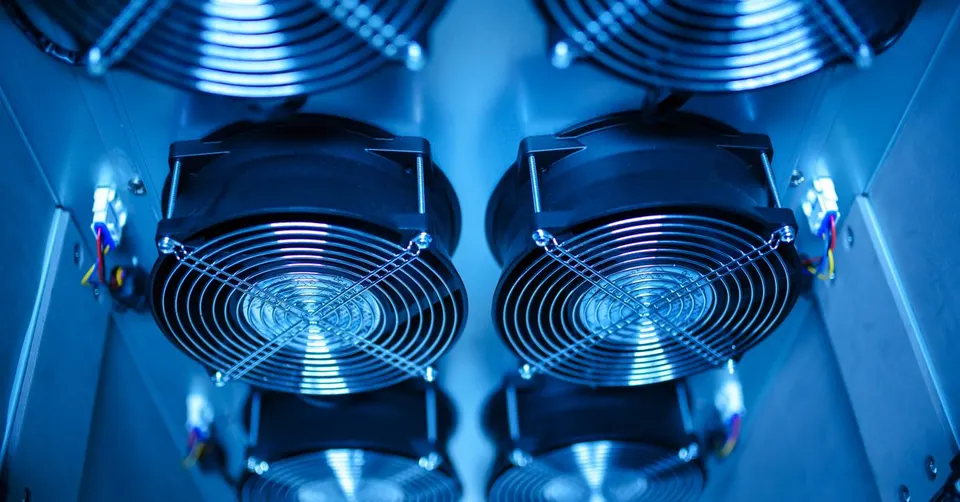
The relentless march of artificial intelligence is hitting a physical wall as developers face fierce opposition over the infrastructure required to power the next generation of models. In Florida, a proposed 600MW hyperscale datacenter near the Everglades has become a flashpoint for environmentalists. Experts warn that the massive water and electricity demands of the facility could irreversibly damage the wetlands, exacerbating toxic algae blooms in Lake Okeechobee. This conflict highlights the growing tension between the digital gold rush—led by companies like SpaceXAI with their new "Grok Bot" autonomous teammates—and the fragile ecosystems that sustain the physical world.
This trend of environmental friction is not limited to the tech sector. In the UK, the "Inglorious Twelfth"—the traditional start of the grouse shooting season—has been met with calls for a total ban. Record-breaking heat and recurring wildfires on the moors have turned the countryside into a tinderbox, leading experts to argue that these landscapes should no longer be treated as "playgrounds for bloodsports." Whether it is the heat generated by server farms or the literal flames on the peatlands, the global economy is increasingly forced to choose between traditional industry, technological expansion, and environmental preservation. For investors, this means that "Green ESG" metrics are no longer just corporate buzzwords; they are becoming the primary regulatory hurdles for the world’s largest capital projects.
Market Pulse: Toman Stability Amidst Institutional Scrutiny
On the domestic front, the Iranian Toman has shown remarkable, if fragile, stability over the last 24 hours. The USD sell rate remained unchanged at 187,800 Toman, reflecting a market that is currently in a "wait-and-see" mode. This stagnation is mirrored in the crypto markets, where Bitcoin is hovering near $64,232 as traders anticipate the upcoming US inflation data. While the currency market is quiet, gold has seen a slight correction, with 18k gold per gram falling from 19,229,881 to 19,137,540 Toman (-0.5%). This minor dip suggests that some local investors are liquidating hedges in favor of cash as they navigate the current geopolitical uncertainty.
In the world of academia and institutional integrity, the University of Cambridge has announced an independent review into the appointment of Professor Jason Arday. This move, highlighted by Vice-chancellor Deborah Prentice, underscores a broader global trend toward transparency and accountability in high-level appointments. For the Iranian reader, these stories of institutional oversight serve as a reminder of the global standards for governance that often dictate international investment flows. As the day progresses, all eyes remain on the horizon—both for the literal shadow of the moon over Europe and the metaphorical shadow of inflation data over the global economy.
Frequently Asked Questions
How does the solar eclipse affect the European energy grid?
Why is the IEA predicting a massive oil deficit now?
What is the 'Inglorious Twelfth' and why is it relevant to the economy?
Understanding Geopolitical Chokepoints and Global Oil Supply Security
The global energy landscape is intricately linked, and few concepts highlight this interdependence more starkly than geopolitical chokepoints. These are narrow sea channels or land passages that are critical for the flow of vast quantities of oil and natural gas. Their strategic importance stems from the fact that a significant portion of the world's energy supply must pass through them. Any disruption, threat, or closure of these chokepoints can send ripple effects across the globe, impacting prices, supply, and international relations.
One of the most prominent examples is the Strait of Hormuz, a narrow waterway between the Persian Gulf and the Arabian Sea. It is arguably the world's most important oil transit chokepoint, with an estimated 20% of the world's total petroleum liquids consumption passing through it daily. Given the concentration of major oil-producing nations in the Persian Gulf, any instability or threat of closure in the Strait of Hormuz immediately triggers concerns about global oil supply, leading to price volatility and heightened geopolitical tensions.
The potential for disruption at such chokepoints underscores the fragility of global energy security. When organizations like the International Energy Agency (IEA) warn of an "oil deficit," they are often factoring in not just current production levels but also the risks associated with these vital transit routes. A deficit could be exacerbated, or even caused, by an actual or perceived threat to a chokepoint, as markets react swiftly to potential supply shortages.
Ultimately, understanding geopolitical chokepoints is crucial for comprehending the dynamics of global energy markets and international politics. These strategic locations serve as constant reminders of how interconnected our world is and how a single geographical bottleneck can hold significant sway over the economic stability and energy security of nations far and wide.
Topics
Related Articles