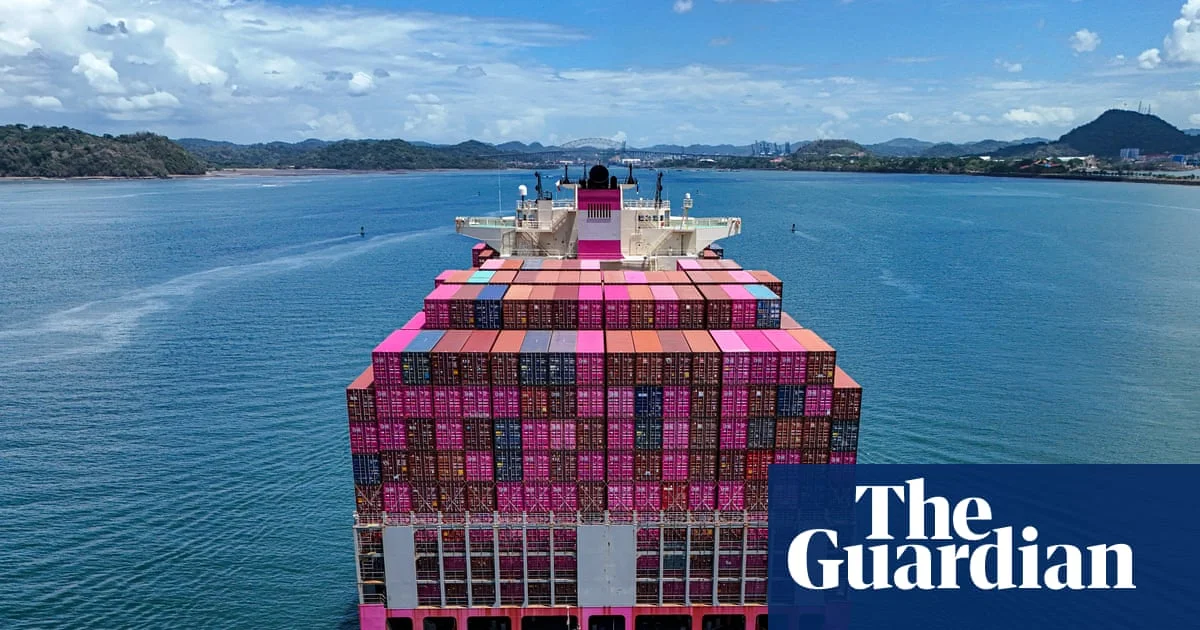
Global Trade Chokepoints Tighten: Panama Fees Hit $4M as US Inflation Matches Forecasts
بحران در گلوگاههای تجاری جهان؛ رشوه ۴ میلیون دلاری برای عبور از کانال پاناما و ثبات تورم آمریکا
Global shipping faces a double blow as Panama Canal fees skyrocket due to regional conflict and climate issues, while US inflation data provides a rare moment of predictability for markets.
At time of publishing
USD
187,300
Toman
Gold 18K
19.13M
Toman / gram
Bitcoin
$63,878
US Dollar
Tether
187,010
Toman
Panama Canal Fees Soar Amid Regional Conflict and Climate Crisis
Global trade is currently facing a perfect storm of geopolitical and environmental challenges that have sent shipping costs to unprecedented heights. In a staggering display of the desperation within the maritime industry, a container ship recently paid nearly $4 million just to jump the queue at the Panama Canal. This massive premium highlights the extreme bottleneck created by a combination of falling water levels due to a severe El Niño weather system and the ripple effects of the ongoing Iran-related conflicts in the Middle East. As traditional routes become riskier or more congested, the pressure on alternative maritime chokepoints has reached a breaking point.
The situation is particularly dire because the Panama Canal depends on freshwater from Gatun Lake to operate its locks, and the current drought has forced authorities to significantly reduce the number of daily transits. When this environmental scarcity is paired with the instability in the Strait of Hormuz and the Red Sea, global logistics firms are left with few good options. For Iranian traders and consumers, this translates into a slow-motion economic squeeze. Higher shipping fees across the globe inevitably lead to increased landed costs for imported goods, further fueling domestic inflation even if the exchange rate remains relatively stable.
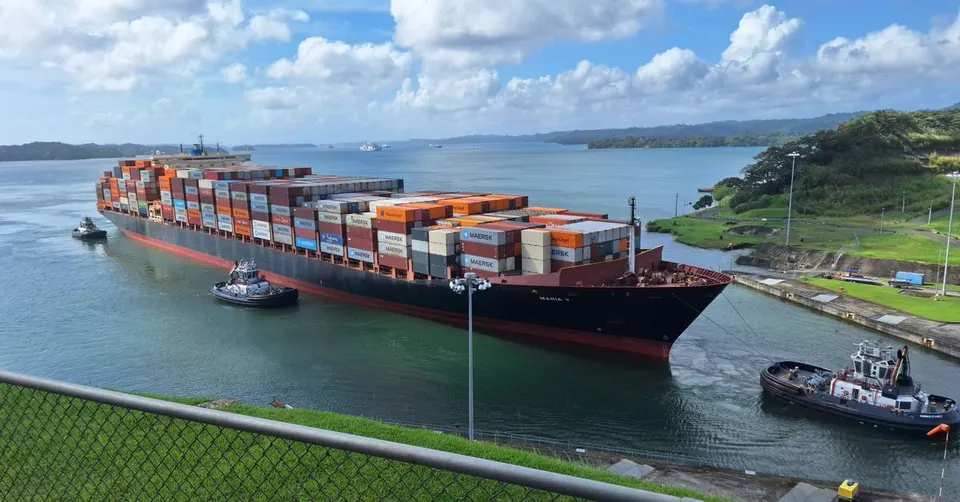
Beyond the immediate cost of transit, the $4 million 'queue-jump' fee serves as a warning for the global supply chain's fragility. It demonstrates that in a crisis, only the wealthiest entities can maintain their timelines, while smaller players and developing economies are forced to wait. This dynamic often leads to a spike in the price of essential commodities, including raw materials and fuel. As long as the regional tensions persist and climate patterns remain unpredictable, the cost of moving goods around the planet will likely remain at a premium, keeping global inflationary pressures alive despite central bank efforts to cool them down.
US Inflation Hits 3.4%: A Sigh of Relief for Global Markets
The latest economic data from Washington has provided a much-needed anchor for global financial markets. U.S. consumer price inflation (CPI) slowed to 3.4% in July, exactly matching the expectations of most economists. Core inflation, which strips out the more volatile categories of food and energy, rose by a modest 0.2% on a monthly basis. This predictability has calmed fears of a sudden, aggressive interest rate hike from the Federal Reserve, allowing risk assets like Bitcoin and international currencies to maintain their current levels without a major sell-off.
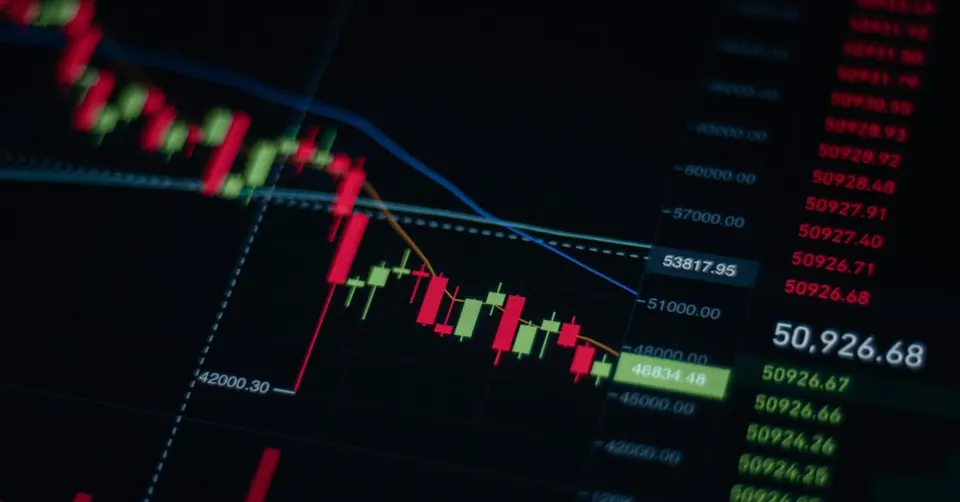
In the wake of this report, Bitcoin (BTC) has managed to hold its ground near the $63,878 mark, showing significant resilience even as Treasury yields began to decline. For the Iranian market, where the USD/IRR rate is highly sensitive to global dollar strength, this 'in-line' inflation report is a neutral-to-positive signal. The USD sell rate in Tehran moved from 187,800 to 187,300 (-0.3%) over the last 24 hours, reflecting a slight easing of pressure as the global dollar index refrained from a major breakout.
However, while the cooling of food and gas prices (which dropped 2.9% since June) is good news, housing costs remain stubbornly high in the United States. This suggests that while the 'peak' of inflation may be over, the journey back to the Fed's 2% target will be slow. For investors, this means the 'higher for longer' interest rate environment is likely to persist through the end of 2026. This keeps the cost of borrowing high globally and ensures that gold—which saw a minor 0.5% dip to 19,125,998 Toman per gram today—remains a highly watched safe-haven asset as the market waits for a definitive pivot in monetary policy.
Geopolitical Bailouts: Australia’s $2.5 Billion Industrial Shield
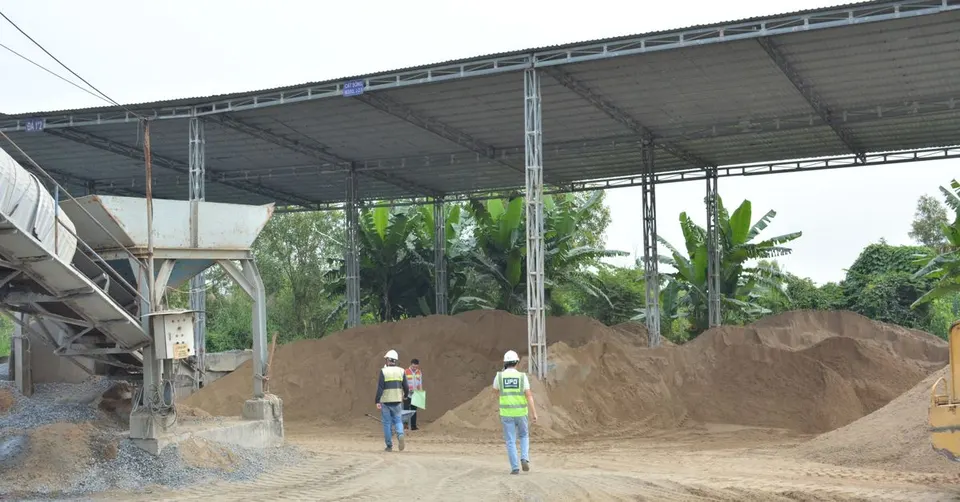
In a major move that underscores the growing trend of state intervention in the economy, Australian Prime Minister Anthony Albanese and the NSW Premier have announced a massive $2.5 billion bailout for the country’s largest aluminium smelter. The Tomago smelter, operated by Rio Tinto, had been facing a potential shutdown due to soaring electricity costs and the expiration of its current supply contracts. This intervention is not just about saving jobs; it is a strategic move to preserve industrial capacity in an increasingly volatile global market where energy security is no longer guaranteed.
This trend of 'industrial nationalism' is becoming a hallmark of the 2026 global economy. As energy prices fluctuate due to conflicts in the Middle East and the transition to greener power sources, governments in the West are finding it necessary to subsidize heavy industry to prevent total de-industrialization. For regional observers, this highlights the high stakes of the current energy crisis. If a stable economy like Australia requires billions in taxpayer funds to keep its factories open, the pressure on sanctioned or emerging economies to maintain their industrial base is even more extreme.
Meanwhile, in the UK, the political landscape is shifting as the government faces mounting pressure over its asylum seeker policies. The immigration minister recently suggested that more affluent areas must take their 'fair share' of the burden, highlighting the internal social tensions that arise when economic resources are stretched thin. Whether it is bailing out smelters in Australia or managing migration in Britain, the common thread is a global struggle to maintain social and economic stability in a world defined by high costs and geopolitical friction. These developments contribute to a general atmosphere of uncertainty that keeps markets on edge and safe-haven assets in high demand.
Frequently Asked Questions
Why did a ship pay $4 million to cross the Panama Canal?
How did the US inflation report affect the Toman exchange rate?
Is Bitcoin still correlated with US economic data in 2026?
Understanding Supply Chain Resilience and Its Disruptions
In an increasingly interconnected global economy, the concept of Supply Chain Resilience has become paramount. It refers to the ability of a supply chain to prepare for, respond to, and recover from disruptions, maintaining continuity of operations and delivery of goods and services. A resilient supply chain can withstand shocks and adapt to changing conditions, minimizing the economic fallout. The recent tightening of global trade chokepoints, such as the Panama Canal, and the broader specter of geopolitical instability or extreme weather events like El Niño, vividly illustrate why understanding this concept is crucial for businesses, consumers, and policymakers alike.
Disruptions to global supply chains can stem from a multitude of sources. Physical chokepoints, like the Panama Canal, are particularly vulnerable; a drought-induced fee hike or capacity reduction can significantly increase shipping costs and transit times for goods ranging from energy to consumer products. Geopolitical events, such as potential conflicts impacting shipping lanes, can lead to immediate rerouting, insurance premium spikes, and scarcity. Furthermore, natural phenomena like El Niño can devastate agricultural output, impact commodity prices, and even affect critical infrastructure like waterways, creating a cascading effect across various industries.
The economic ramifications of these disruptions are profound. Increased shipping costs, whether from higher canal fees or longer routes, directly contribute to the final price of goods, fueling inflationary pressures, as seen with US inflation forecasts. For businesses, this means higher operational costs, potential production delays, and a need to reconsider sourcing strategies. Governments may find themselves compelled to intervene, as suggested by the mention of an 'Australia aluminum bailout,' to safeguard critical industries or prevent widespread economic instability when supply chains falter.
Building resilience involves strategic planning and diversification. Companies are increasingly exploring options like near-shoring or friend-shoring production, diversifying their supplier base, and investing in advanced logistics and inventory management systems. The goal is to reduce reliance on single points of failure, whether they are a specific shipping route, a single supplier, or a particular region. While these strategies often come with upfront costs, the long-term benefits of mitigating risks and ensuring stability in an unpredictable world often outweigh them.
Topics
Related Articles