Pezeshkian Asserts Legal Standing as Security Reshuffle Signals Permanent Wartime Shift
تأکید پزشکیان بر قانونمداری همزمان با تغییرات ساختاری در فرماندهی نظامی ایران
President Pezeshkian defends Iran's international record in talks with Japan, while a rapid security reshuffle in Tehran suggests a move toward a centralized, permanent wartime command. Meanwhile, US inflation cools to 3.4%, offering a brief respite for global markets despite rising regional risks.
At time of publishing
USD
187,400
Toman
Gold 18K
19.17M
Toman / gram
Bitcoin
$63,652
US Dollar
Tether
187,240.71
Toman
Pezeshkian Defends Iran’s Record Amid Regional Volatility
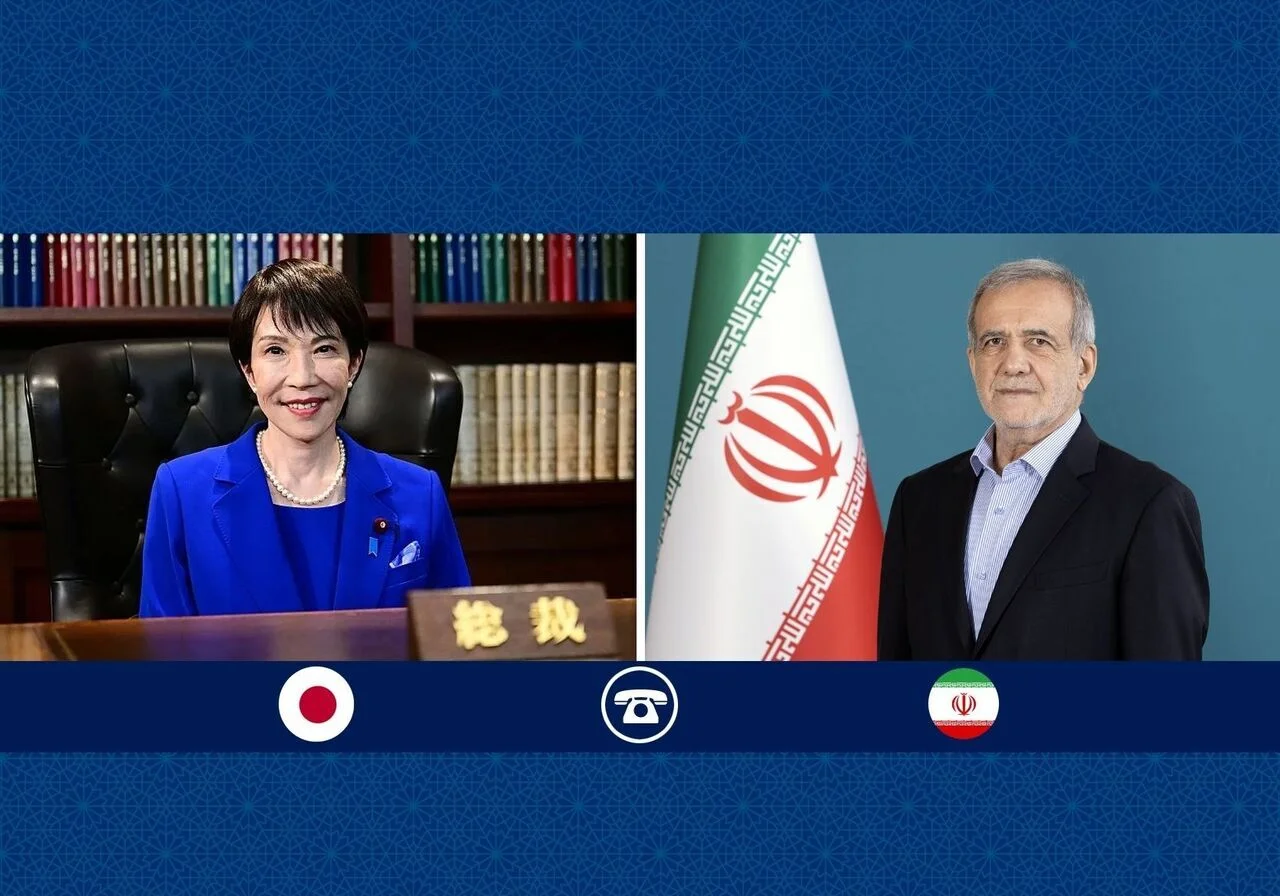
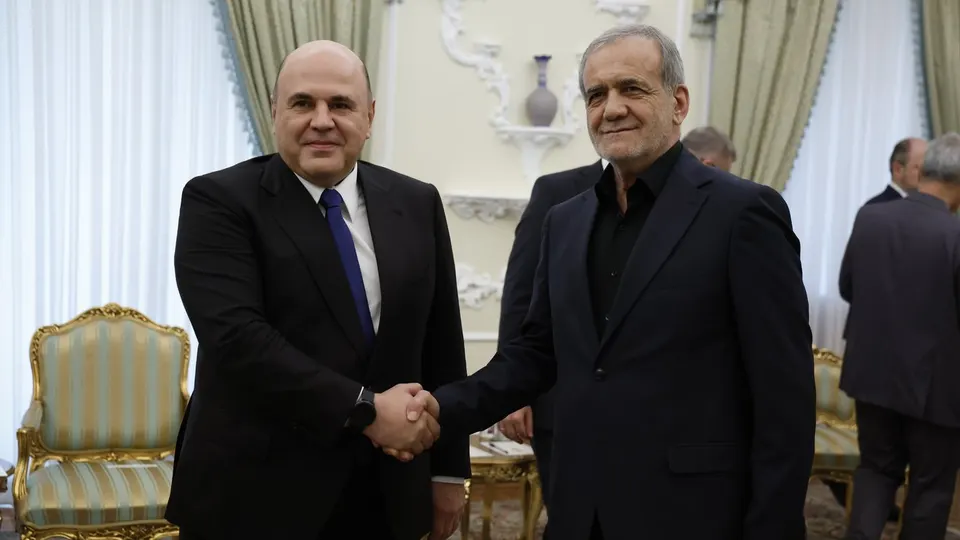
In a high-stakes diplomatic call with Japanese Prime Minister Sanae Takaichi, President Masoud Pezeshkian asserted that Iran has never acted outside the boundaries of international law. This statement comes at a critical juncture as the Islamic Republic faces mounting pressure from Western powers and regional adversaries. Pezeshkian emphasized that Tehran’s primary objective remains the improvement of relations with its neighbors and the maintenance of regional stability, seeking to project an image of a responsible state actor despite the ongoing shadow war with Israel.
For the Iranian public and local markets, this rhetoric is a double-edged sword. While it signals a desire to avoid a full-scale direct conflict that would further devastate the economy, it does little to alleviate the immediate pressure of sanctions. The market responded with cautious stagnation; the USD/IRR rate saw a marginal decrease from 187,800 to 187,400 (-0.2%), reflecting a wait-and-see approach by traders who are more focused on actual policy shifts than diplomatic platitudes.
The Formalization of a Centralized Security Command
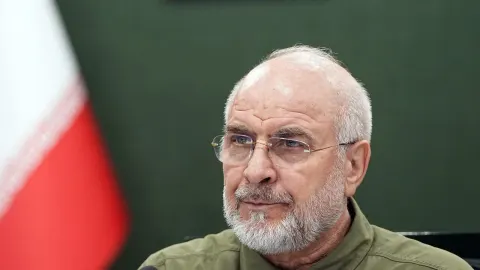
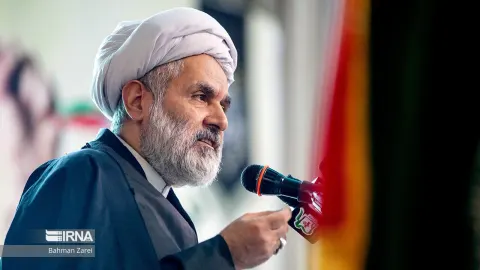
While the presidency focuses on external messaging, internal structural changes suggest a much more defensive and centralized reality. Reports indicate that the Office of the Supreme Leader has formalized six senior military and security postings within a mere 48-hour window. This move is interpreted by analysts as the conclusion of a five-month period of improvisation following the targeted strikes that decimated much of the IRGC’s senior leadership earlier this year. By converting an emergency wartime chain of command into a permanent structure, the establishment is signaling its preparation for a prolonged period of regional friction.
This reshuffle is less about personnel and more about the consolidation of power within a tight circle of trust. For the Iranian economy, this centralization often correlates with increased state control over resources and trade routes. As the military apparatus becomes more deeply embedded in the state's permanent structure, the line between security policy and economic policy continues to blur, making any future attempts at liberalization or international reintegration significantly more complex.

US Inflation Eases as Global Growth Warnings Mount
On the global front, the latest economic data from Washington offers a glimmer of hope for a "soft landing." Annual US inflation dipped to 3.4% in July, driven primarily by cooling food and fuel costs. This cooling trend is vital for Iranian markets as it influences the strength of the US Dollar and, by extension, the price of gold and crypto. However, the optimism is tempered by warnings from European leaders. Andy Burnham, a prominent UK political figure, warned that the escalating conflict in the Middle East could severely hit UK and global growth next year as energy prices remain volatile and supply chains face renewed disruptions.
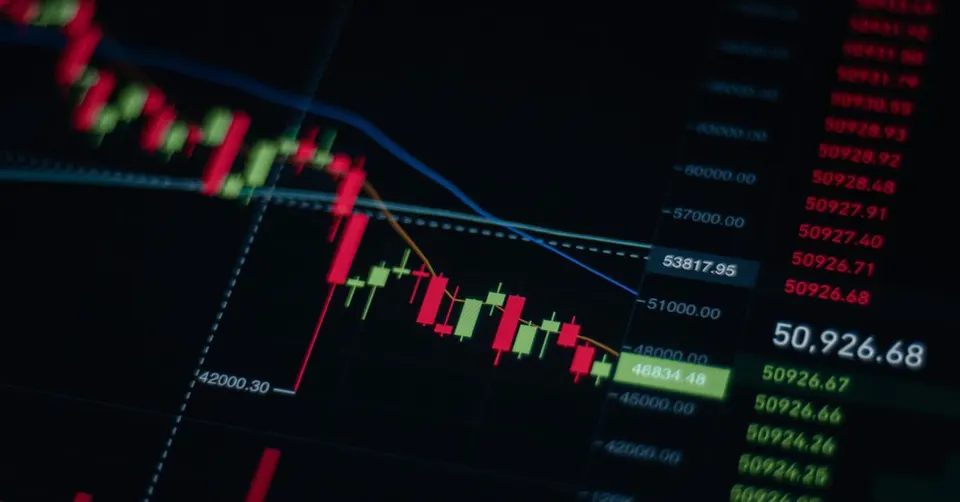
For Iranian investors, the cooling US inflation suggests that the Federal Reserve may soon pivot on interest rates, which historically provides a tailwind for assets like gold and Bitcoin. Currently, Gold 18k in Iran dropped slightly from 19,229,881 to 19,165,243 Toman (-0.3%), mirroring the global uncertainty. While the US data is positive, the "geopolitical tax"—the cost of potential war—remains the dominant factor preventing a true rally in local purchasing power.
Europe’s Attention Crisis and the Ceuta Friction
Beyond the immediate economic sphere, Europe is grappling with an internal crisis of policy and perception. The Venice Film Festival has become an unlikely battleground for the continent's "attention economy," with major filmmakers attempting to refocus public discourse on the migration and economic crises currently fracturing the EU. This comes as Spain and Italy clash over the Ceuta border crisis, leading to the reintroduction of air and sea border checks—a significant blow to the principle of open movement within the Schengen area.
This internal European friction matters to the wider world because a distracted or divided Europe is less capable of mediating Middle Eastern tensions or enforcing cohesive trade policies. As Madrid and Rome trade diplomatic blows over migrant arrivals, the focus shifts away from global security and toward domestic populism. For those watching the markets, this instability in the Eurozone adds another layer of risk to the Euro (currently selling at 216,500 Toman), as the currency faces the dual threat of internal political fragmentation and external energy shocks.
Frequently Asked Questions
Why is the formalization of military postings in Iran significant now?
How did the USD/IRR rate react to Pezeshkian's statements?
What does the 3.4% US inflation rate mean for Iranian investors?
Geopolitical Risk and its Impact on Emerging Market Currencies and Safe Havens
Geopolitical risk refers to the potential for political events, conflicts, or instability to disrupt economic activity and financial markets. In regions like the Middle East, characterized by complex political dynamics and significant global resource relevance, such risks are a constant and critical factor. These events can range from internal power struggles and leadership transitions to regional conflicts or international sanctions, all of which create uncertainty that reverberates through local and global economies. Understanding this concept is crucial for interpreting market movements, especially in countries highly susceptible to such influences.
When geopolitical tensions escalate, emerging market currencies often bear the brunt of the impact. Investors, seeking to minimize exposure to uncertainty, tend to withdraw capital from perceived risky assets and regions, leading to capital flight. This outflow of funds weakens the local currency, as demand for it decreases while demand for more stable currencies, like the US dollar, rises. For instance, the US Dollar to Iranian Rial (USD/IRR) exchange rate is highly sensitive to geopolitical developments, reflecting both domestic political stability and external pressures, directly impacting the purchasing power of citizens and the cost of imports.
In times of significant geopolitical uncertainty and currency depreciation, individuals and institutions often turn to "safe haven" assets. Gold is a prime example of such an asset, historically valued for its ability to retain value during economic and political turmoil. When a local currency is losing value rapidly or inflation is rampant, holding physical gold or gold-backed assets becomes an attractive strategy to preserve wealth. The price of gold in local currency, such as in Iran, frequently surges during periods of heightened risk, signaling a lack of confidence in traditional financial instruments and the local currency's stability.
Furthermore, geopolitical risks in key resource-producing regions, particularly the Middle East, have profound implications for global commodity markets, especially oil. Any perceived threat to oil supply routes or production capacity can cause oil prices to spike, creating inflationary pressures worldwide and increasing energy costs for importing nations. This not only affects global economic stability but also exacerbates domestic economic challenges for countries within the region, creating a feedback loop where political instability fuels economic distress, and vice-versa.
This interconnectedness highlights how political shifts and regional instabilities are not isolated events but fundamental drivers of economic outcomes, particularly for emerging economies. The "permanent wartime shift" mentioned in the headline suggests a long-term recalibration of risk, where geopolitical factors become an enduring, rather than transient, consideration for economic planning and investment decisions.
Topics
Related Articles