UK Economy Stalls Under Iran Conflict Strain; Tehran Signals New Hormuz Management Terms
کندی رشد اقتصادی بریتانیا در سایه جنگ ایران؛ سیگنالهای جدید تهران برای مدیریت تنگه هرمز
British GDP growth has slowed to 0.4% as energy costs linked to the ongoing Iran conflict bite into the global economy. Meanwhile, Tehran is pushing for new environmental controls in the Strait of Hormuz, signaling a shift in how it intends to manage the world's most critical oil chokepoint.
At time of publishing
USD
187,400
Toman
Gold 18K
19.11M
Toman / gram
Bitcoin
$63,765
US Dollar
Tether
186,908
Toman
The Economic Toll of Conflict: UK Growth Slows
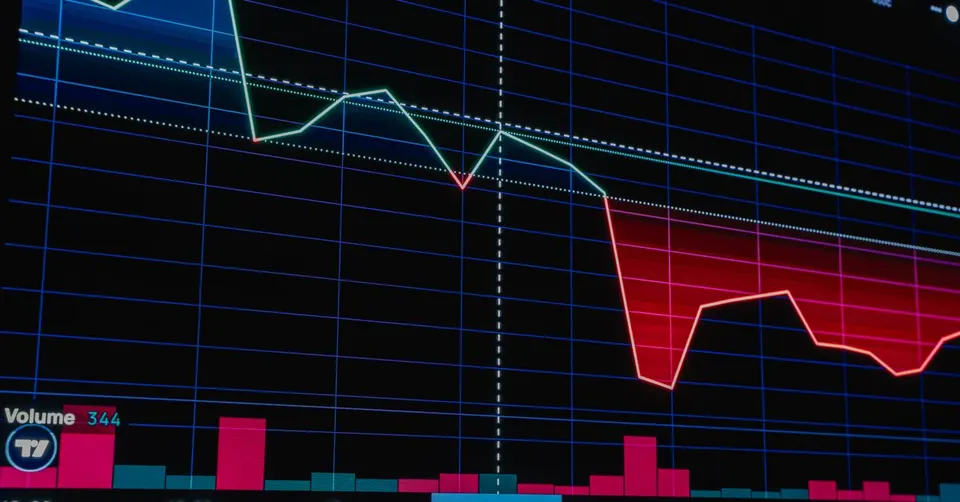
The ripple effects of the ongoing conflict involving Iran are becoming increasingly visible in the hard data of Western economies. On Thursday, the UK’s Office for National Statistics (ONS) reported that GDP expanded by only 0.4% in the three months to June. This represents a significant deceleration from the 0.6% growth recorded in the first quarter of the year. Economists in the City had anticipated this cooling, citing the massive disruption in energy markets and supply chains caused by the regional instability.
For the average consumer and business, this isn't just a statistical dip; it reflects the rising cost of doing business in an era of geopolitical volatility. As energy prices remain elevated due to the premium placed on Middle Eastern oil and gas, manufacturing and service sectors in the UK are feeling the squeeze. This slowdown suggests that the 'peace dividend' of previous decades has fully evaporated, replaced by a permanent war footing that forces central banks to navigate between stifling inflation and preventing a full-scale recession.
Tehran’s New Gambit: Environmental Sovereignty in Hormuz
In a move that analysts interpret as a strategic pivot, the Iranian Foreign Ministry has introduced a new variable into the management of the Strait of Hormuz. Spokesperson Esmaeil Baqaei stated that any future administration or management framework for the world’s most vital maritime chokepoint must address its "environmental condition" as a core requirement. While framed as ecological stewardship, the timing suggests this is a sophisticated legal and diplomatic tool designed to increase Tehran's leverage over international shipping.
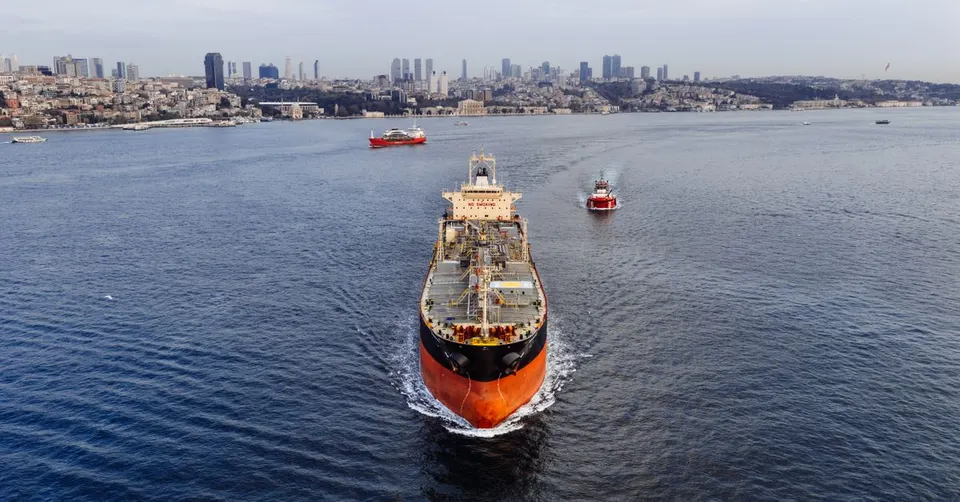
By prioritizing environmental standards, the Iranian government could potentially justify more frequent inspections, delays, or even the exclusion of certain vessels under the guise of preventing pollution. This 'gray zone' tactic allows the state to exert control without necessarily resorting to direct military blockades, which would trigger a more forceful international response. For global markets, this adds a layer of regulatory uncertainty to an already stressed shipping lane where millions of barrels of oil pass daily. The international community now faces the challenge of distinguishing between genuine ecological concerns and the weaponization of maritime law.
Security Shadows and Political Fractures
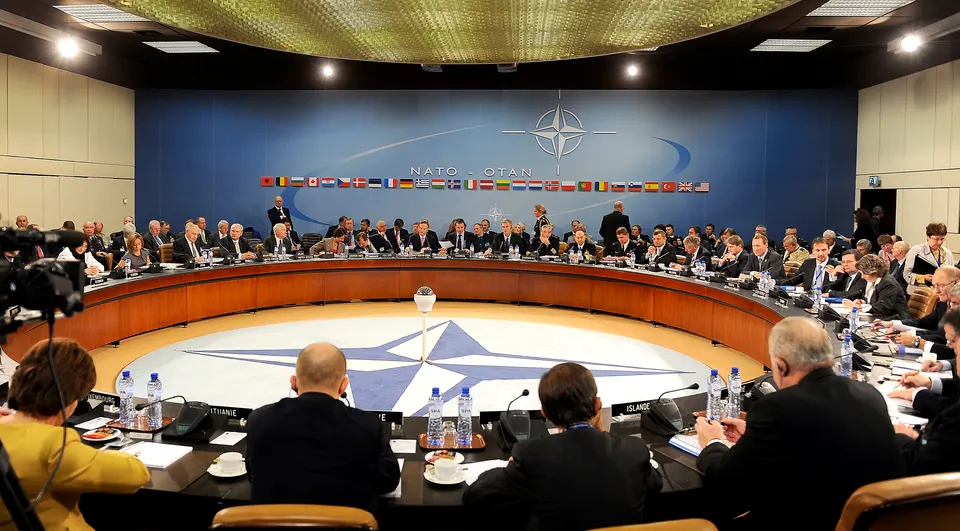
The intensity of the current geopolitical climate was further highlighted by reports from the recent NATO summit in Turkey. It has been revealed that members of the Trump cabinet remained on a decoy plane while the President made a quiet, high-security exit due to specific threats linked to Iran. This level of operational secrecy underscores the extreme tension between Washington and Tehran, where even routine diplomatic travel requires the kind of deception usually reserved for active combat zones.
Domestically, these international pressures are fracturing political unity in the West. In the UK, Health Secretary Yvette Cooper has publicly criticized the previous administration’s handling of government affairs, highlighting a lack of collegiate leadership during times of crisis. As governments struggle to manage the domestic fallout of foreign wars—from asylum seeker housing crises to energy-driven inflation—the internal cohesion of major powers is being tested. For the markets, this political instability is a secondary risk factor that compounds the primary economic damage caused by the conflict itself.
Market Realities: Gold and Currency Stability
Despite the geopolitical drama, the Iranian domestic market showed a rare moment of localized stability this morning. The USD sell rate held firm at 187,400 Toman, showing 0.0% change over the last 24 hours. However, the broader flight to safety is evident in the global gold market, where the ounce is trading at a staggering $4,373.40. Locally, Gold 18k/gram saw a slight dip of -0.3%, moving from 19,167,551 to 19,114,455 Toman, likely reflecting local liquidity shifts rather than a decrease in global demand.
Investors are currently caught in a wait-and-see pattern. While the currency hasn't moved in the last few hours, the underlying pressure from the UK's economic slowdown and the potential for new maritime restrictions in Hormuz suggests that volatility is just beneath the surface. For those holding assets in Toman, the stability of the USD at 187,400 is a fragile equilibrium that depends heavily on the next move in the Strait.
Frequently Asked Questions
Why is the UK economy slowing down due to the Iran conflict?
What does Iran mean by 'environmental management' of the Strait of Hormuz?
How is the USD/IRR reacting to these geopolitical developments?
The Strategic Significance of the Strait of Hormuz
The Strait of Hormuz is a narrow, strategically vital waterway connecting the Persian Gulf to the Arabian Sea and the open ocean. It is one of the world's most critical maritime chokepoints, through which a significant portion of the world's oil and liquefied natural gas (LNG) transits daily. Its unique geographical position makes it indispensable for global energy markets, as it serves as the only sea passage from the Persian Gulf to the open ocean for oil-exporting countries like Saudi Arabia, Iran, UAE, Kuwait, and Iraq.
The economic implications of any disruption in the Strait of Hormuz are profound and immediate. Approximately one-fifth of the world's total petroleum consumption, and a substantial share of its LNG, passes through this strait. Any threat to its free navigation, whether from geopolitical tensions, military conflict, or even a perceived risk, can trigger sharp spikes in global energy prices. Such price volatility can have a ripple effect, leading to higher inflation, reduced economic growth (as indicated by a stalling UK GDP in the headline), and increased costs for businesses and consumers worldwide.
From a geopolitical perspective, the Strait of Hormuz is a focal point of regional and international power dynamics. Iran, with its long coastline along the strait, has historically asserted its ability to influence or potentially close the waterway in response to perceived threats or sanctions. This leverage is a significant component of its foreign policy and a source of concern for global powers that rely on the strait for energy supplies. The presence of international naval forces in the region underscores its critical importance for maintaining global trade and energy security.
Understanding the Strait of Hormuz is crucial for comprehending how regional conflicts, like the "Iran conflict strain" mentioned in the headline, can quickly escalate into global economic challenges. It highlights the interconnectedness of geopolitics, energy markets, and the stability of the world economy. The "new Hormuz management terms" signaled by Tehran directly speak to this strategic leverage, indicating potential shifts in control or access that would inevitably send tremors through global markets.
Topics
Related Articles