White House Press Secretary Exits Amid Trump Approval Dip; Iran Reasserts Hormuz Control
استعفای سخنگوی کاخ سفید همزمان با کاهش محبوبیت ترامپ؛ ایران کنترل تنگه هرمز را دوباره تأکید کرد
The Trump administration faces a communication challenge as Press Secretary Karoline Leavitt steps down, coinciding with a dip in approval ratings. Regionally, Iran has issued a firm warning regarding navigation through the Strait of Hormuz, while global markets react to easing U.S. inflation and a positive outlook for Salesforce's AI integration.
At time of publishing
USD
187,600
Toman
Gold 18K
19.07M
Toman / gram
Bitcoin
$63,525
US Dollar
Tether
186,779
Toman
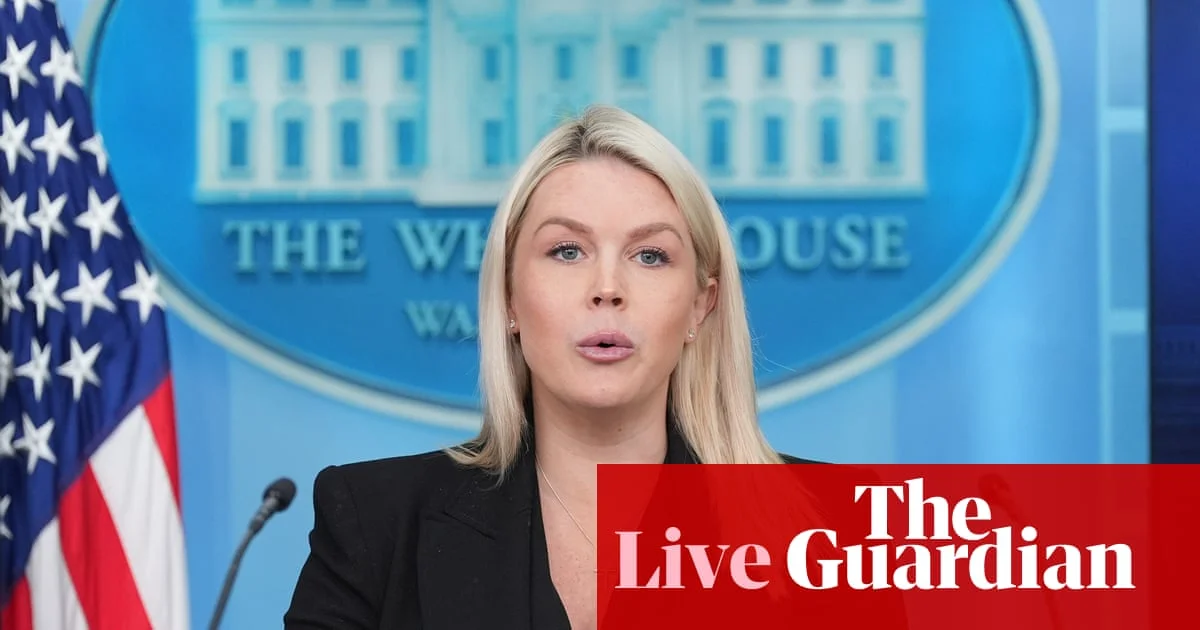
White House Press Secretary Steps Down Amid Plummeting Approval
Karoline Leavitt, the White House press secretary, has unexpectedly stepped down from her position, a significant development just three months before crucial midterm elections. Her departure raises immediate questions about the Trump administration's communication strategy and its ability to effectively convey its messages to the public, especially as President Trump's approval ratings have reportedly fallen to a record low, according to recent YouGov polling. The timing is particularly sensitive, suggesting potential internal pressures or a strategic realignment within the administration as it prepares for a challenging electoral cycle.
Leavitt’s role was pivotal in shaping the administration’s public image and delivering its narrative, making her exit a high-profile symptom of underlying issues. This political vacuum in a highly visible position could exacerbate concerns about the administration's capacity to manage its public relations effectively. The Guardian report that disclosed Leavitt's departure also touched upon broader accusations of "bullying and intimidation" within the administration, citing an investigation and suspension of a labor union leader at the Consumer Financial Protection Bureau (CFPB). This context of internal turmoil and declining public approval further complicates the communication landscape for the Trump presidency.

Iran Reasserts Control Over Strait of Hormuz Navigation
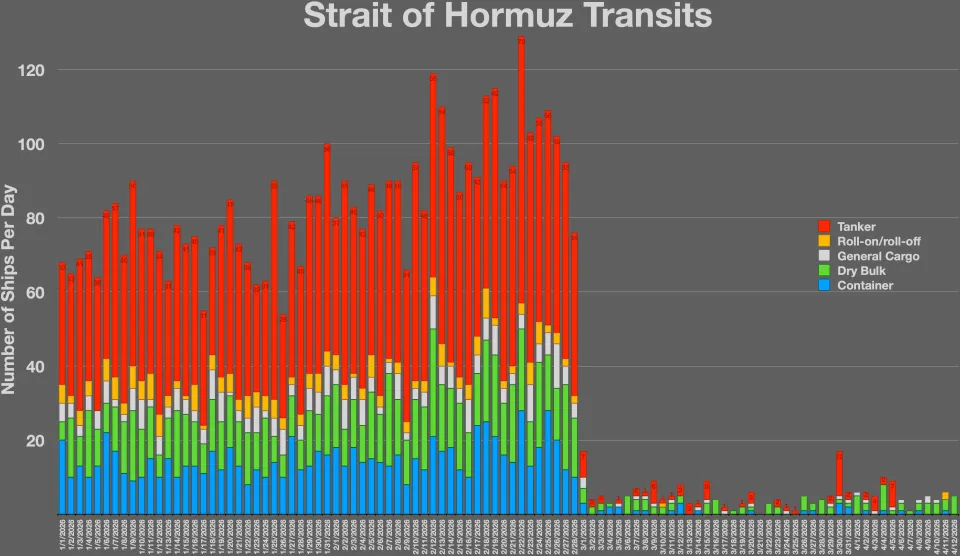
Iran's Islamic Revolutionary Guard Corps (IRGC) Khatam al-Anbiya Central Headquarter spokesperson has issued a stark warning, unequivocally stating that no ship can safely transit the Strait of Hormuz without Iran’s explicit authorization and supervision. This declaration directly refutes recent U.S. claims regarding normal and unimpeded navigation through the vital waterway. The pronouncement underscores Tehran's long-standing assertion of sovereignty and control over the strait, which serves as a critical choke point for global oil shipments.
This statement from Tehran is far more than mere rhetoric; it carries significant geopolitical weight and has profound implications for international shipping and energy markets. The Strait of Hormuz is the world's most important oil transit chokepoint, through which approximately one-fifth of global oil consumption passes daily. Any perceived disruption or threat to free navigation can trigger substantial spikes in global oil prices and escalate military tensions in the Persian Gulf, impacting global supply chains and consumer prices.
Iran's insistence on "authorization and supervision" could be interpreted by international maritime bodies and naval forces as a direct challenge to established international laws of passage, potentially setting the stage for increased friction or even confrontations. The timing of this statement, amidst ongoing regional tensions and global energy market volatility, amplifies its impact, signaling Iran's resolve to project power and influence over its strategic maritime borders, thus influencing risk assessments for vessels operating in this critical region.
U.S. Inflation Eases, Fed Rate Hike in Doubt
The latest economic data from the United States indicates a significant flattening of wholesale prices in July, signaling a broader easing of inflationary pressures across the economy. This positive development has led to considerable speculation that the Federal Reserve may reconsider its aggressive stance on further interest rate hikes. The Producer Price Index (PPI), which measures wholesale prices, showed a more moderate trend than anticipated, offering a glimmer of hope for consumers and businesses that have been grappling with elevated costs.
This softening of wholesale prices is a crucial leading indicator, as it often precedes changes in consumer prices. If businesses face lower input costs, they are less likely to pass on higher prices to customers, thereby contributing to a sustained deceleration of inflation. For the Federal Reserve, this data provides critical input for its upcoming monetary policy decisions. A pause or even a halt to rate hikes would be a welcome relief for various sectors, including housing and credit markets, which have been sensitive to the Fed's aggressive tightening cycle.
However, the Fed's decision-making process is multifaceted, considering employment figures, consumer spending, and global economic conditions alongside inflation data. While a single month's data is encouraging, sustained evidence of disinflation is typically required before the central bank makes definitive shifts in policy. Should the Fed indeed pause or signal an end to rate hikes, it could lead to increased investor confidence, potentially boosting equity markets and easing pressure on the U.S. dollar, while also influencing global capital flows as other central banks assess their own inflation battles.

Salesforce Shares Surge as J.P. Morgan Dismisses AI Overhang
Salesforce stock has experienced a notable boost following a positive assessment from J.P. Morgan, which suggested that fears surrounding Artificial Intelligence (AI) impacting the company are "overblown." A prominent analyst from the investment bank predicted a significant 29% upside for Salesforce shares, citing promising new AI features and their potential to drive future growth. This endorsement comes at a time when many tech companies are navigating market anxieties related to the rapid advancements and competitive landscape of AI, often facing skepticism about their ability to adapt and capitalize.
J.P. Morgan's optimistic outlook provides a crucial counter-narrative to the prevailing skepticism that has weighed on some tech stocks, including Salesforce. The analyst's focus on Salesforce's specific AI integrations, rather than broad industry trends, highlights a belief in the company's ability to effectively leverage AI as a tool for enhancement rather than a disruptive threat. This positive re-evaluation can significantly influence investor sentiment, attracting capital back into the stock and potentially setting a precedent for how other established tech giants integrating AI might be perceived by the market, shifting focus from existential threats to practical applications.
For the broader tech and AI sectors, this analysis underscores the nuanced distinction between generic AI fears and the actual, tangible benefits that well-executed AI strategies can bring to established enterprises. It suggests that market participants are becoming more discerning, looking beyond speculative concerns to evaluate the practical application and revenue-generating potential of AI within specific business models. Such expert endorsements can lead to sector-wide re-ratings, encouraging further investment in companies demonstrating clear AI value propositions and robust integration plans, ultimately shaping the investment landscape for AI-driven innovation.
Divided Sentiments in a U.S. Munitions Town Over Iran Policy
In Kingsport, Tennessee, a town pivotal for its munitions plant supplying the U.S. military, residents are grappling with deeply divided opinions regarding the ongoing "Iran war." A recent report from BBC World highlights the complex sentiments among voters, many of whom are loyal to former President Trump, yet find themselves at odds over whether U.S. engagement in relation to Iran is "justified" or "no business being there." This internal debate reflects a broader national struggle to define America’s role in Middle Eastern conflicts and the costs associated with such involvement.
The divergence of opinion in Kingsport is particularly telling because of its direct connection to the military-industrial complex. The town's economic well-being is intrinsically intertwined with defense spending and military operations, yet its citizens are not monolithic in their support for interventionist foreign policy. This suggests that even in communities directly benefiting from military contracts, there is a significant segment of the population questioning the rationale and efficacy of engagements abroad, especially concerning Iran, touching on issues of cost, human toll, and perceived national interest.
This local-level division mirrors a similar, more pronounced schism within U.S. political discourse, especially among conservative voters who often align with a strong national defense but may also harbor isolationist tendencies. For policymakers, understanding these grassroots sentiments is crucial, as public opinion can significantly shape the political feasibility and sustainability of foreign policy decisions. It underscores the challenge of maintaining national consensus on complex geopolitical issues, particularly when they involve long-standing adversaries like Iran and carry the potential for significant domestic economic and social impact, influencing election outcomes and legislative priorities.
Market Snapshot: Toman Markets See Modest Shifts
In the past 24 hours, the Iranian Toman market experienced modest shifts across key assets. The U.S. Dollar (USD) saw a slight appreciation against the Toman, moving from 187,400 to 187,600, a +0.1% increase. Gold 18k per gram, however, registered a minor decline, falling from 19,167,551 Toman to 19,068,285 Toman, a -0.5% adjustment. Notably, the Emami coin remained entirely stable, holding its value at 189,500,000 Toman, indicating no change over the period.
The marginal rise of the USD against the Toman, while small, points to a persistent demand for foreign currency in the local market, often driven by a desire to hedge against inflation or facilitate international trade. This subtle upward movement does not suggest a dramatic shift but rather a continuation of existing trends within a relatively stable range. The slight dip in 18k gold prices could be influenced by factors such as minor profit-taking or a temporary easing of local demand, though gold continues to be a crucial store of value amidst ongoing economic uncertainties in Iran.
The complete stability of the Emami coin is noteworthy, reflecting a balanced sentiment among investors who might be adopting a cautious "wait-and-see" approach while other assets exhibit minor fluctuations. Collectively, these market movements paint a picture of an economy characterized by gradual adjustments rather than sharp swings. For Iranian citizens and businesses, these daily shifts serve as indicators of broader economic direction, influencing decisions related to savings, investments, and purchasing power, all within the intricate framework of regional geopolitics and domestic economic policies.
Frequently Asked Questions
What are the implications of Karoline Leavitt's departure for the Trump administration's communication strategy?
How might Iran's statement on the Strait of Hormuz affect global oil prices and shipping?
What does the flattening of U.S. wholesale prices mean for future Federal Reserve interest rate decisions?
Why is J.P. Morgan's assessment of Salesforce's AI fears significant for the tech market?
How do the recent changes in USD/IRR and gold prices impact the average Iranian citizen?
The Strait of Hormuz: A Global Economic Chokepoint
The Strait of Hormuz, a narrow waterway connecting the Persian Gulf to the Gulf of Oman and the Arabian Sea, stands as one of the world's most critical maritime chokepoints. Geographically, it is bordered by Iran to the north and the United Arab Emirates and Oman to the south. Its strategic significance stems from the immense volume of oil and liquefied natural gas (LNG) that transits its waters daily, making it indispensable for the global energy supply. Roughly one-third of the world's seaborne crude oil and petroleum products, and a significant portion of its LNG, pass through this strait, originating from major producers like Saudi Arabia, Iran, UAE, Kuwait, and Iraq.
Given its pivotal role in global energy markets, the Strait of Hormuz is a constant focal point of geopolitical tension. Iran, which controls the northern coast of the strait and has a strong naval presence through its Islamic Revolutionary Guard Corps (IRGC), has historically asserted its ability to disrupt or close the strait in response to international pressure or sanctions. Such threats, even if not fully realized, send ripples through global markets, highlighting the vulnerability of the world's energy supply to regional instability.
Any significant disruption to shipping through the Strait of Hormuz would have immediate and severe repercussions for the global economy. A closure, or even a perceived threat of closure, would drastically reduce the supply of oil and gas, leading to a sharp surge in international energy prices. This increase in energy costs would cascade through various sectors, raising transportation expenses, manufacturing costs, and ultimately contributing to higher inflation worldwide. For nations heavily reliant on imported energy, such an event could trigger economic slowdowns or even recessions, underscoring why the stability of this narrow passage is a paramount concern for international diplomacy and security.
Topics
Related Articles