
Tehran Rejects Trump's Hormuz Claims Amid Regional Tensions; Dell Stock Surges, Europe's Energy Woes Mount
تهران ادعاهای ترامپ درباره هرمز را رد کرد؛ سهام دل اوج گرفت، بحران انرژی اروپا تشدید شد
Iran has strongly refuted former President Trump's assertions of US control over the Strait of Hormuz, emphasizing Tehran's full command of the vital waterway amidst ongoing regional tensions. Meanwhile, Dell Technologies' stock has seen a significant rally, driven by strong demand in the PC and server markets, while Europe faces deepening energy concerns as Romania shuts down a nuclear reactor due to critically low Danube River levels.
At time of publishing
USD
187,600
Toman
Gold 18K
19.06M
Toman / gram
Bitcoin
$63,844
US Dollar
Tether
186,838
Toman
Iran Dismisses Trump's Claims on Strait of Hormuz Control
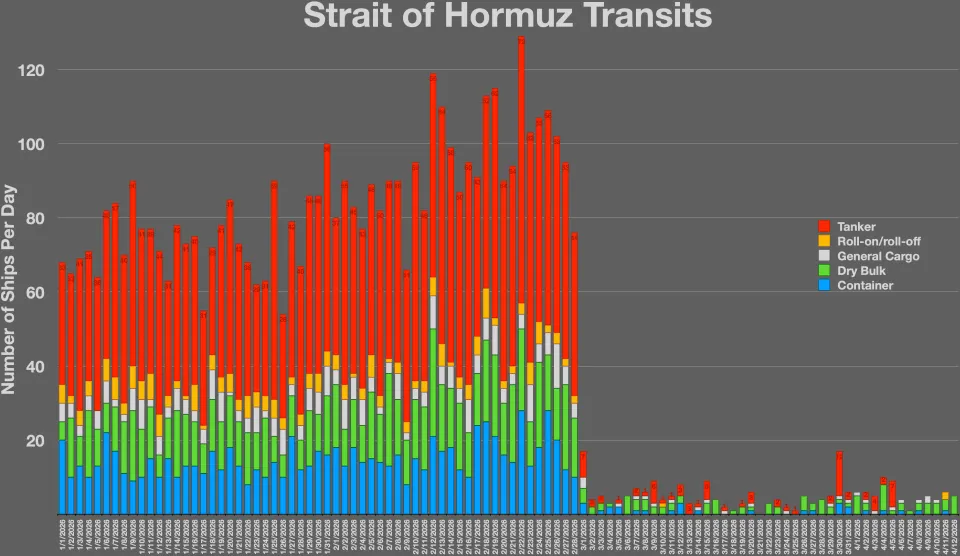
Iran's central military command has vehemently rejected former US President Donald Trump's claims regarding Washington's control over the Strait of Hormuz, labeling them as "lies and fabrications." Ebrahim Zolfaghari, spokesperson for Iran's central military command, asserted on Thursday that the strategic waterway, crucial for global energy shipments, remains entirely under Tehran's command. This statement comes amidst heightened tensions in the Middle East, a region that has been embroiled in conflict since late February, underscoring the ongoing sensitivities surrounding this vital chokepoint.
The refutation by Iranian authorities is a direct response to any perceived challenge to its sovereignty and operational control over the Strait. For Iran, maintaining undisputed command of Hormuz is not only a matter of national security but also a potent symbol of its regional influence. The move aims to project an image of unwavering authority in a region frequently destabilized by geopolitical rivalries, particularly given the Strait's critical role in international oil trade, where any disruption can send shockwaves through global energy markets.
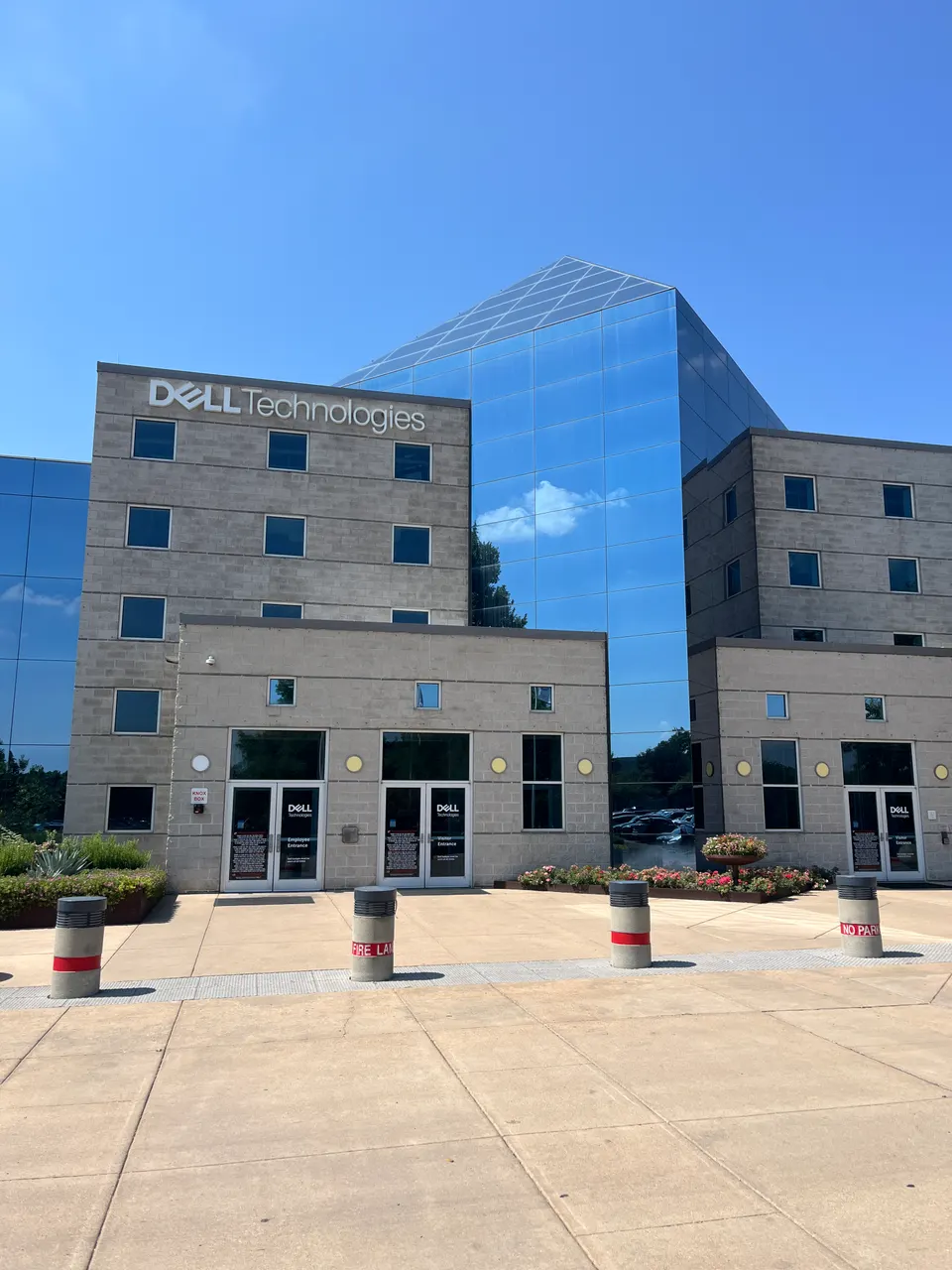
Dell Technologies Stock Soars Amid Strong PC and Server Demand
Dell Technologies' stock has demonstrated remarkable resilience and growth this year, with shares roughly quadrupling in price and significantly outperforming tech counterparts like Micron and AMD. This impressive rally was further fueled by a positive earnings report from Lenovo, which signaled robust demand within the broader PC and server market. Dell's strategic positioning in both consumer and enterprise segments appears to be paying off, capturing market share and investor confidence in a competitive landscape.
This robust performance by Dell indicates a healthy and sustained demand for computing hardware, particularly in the enterprise sector where server sales remain strong, likely driven by ongoing digital transformation initiatives and the expansion of data centers. The positive ripple effect from Lenovo's earnings suggests that this isn't an isolated success but rather a broader trend reflecting renewed spending on IT infrastructure and end-user devices. For investors, Dell's trajectory highlights specific growth pockets within the technology sector, offering a counter-narrative to broader market anxieties.
Europe's Energy Security Worsens as Romania Shuts Nuclear Reactor
Romania has initiated the shutdown of its last operational nuclear reactor at the Cernavoda plant, a critical step taken due to unprecedentedly low water levels in the Danube River. This closure follows an earlier shutdown of another reactor at the end of July, both necessitated by the Danube hitting a 90-year low. The river's diminished flow compromises the plant's cooling systems, making continued operation unsafe and highlighting the severe impact of climate-induced droughts on Europe's energy infrastructure.
The forced closure of nuclear capacity in Romania, a significant energy producer in Central and Eastern Europe, exacerbates the region's already strained energy security landscape. It compels greater reliance on alternative, often more expensive, energy sources, potentially leading to increased electricity costs for consumers and industries. This development underscores the growing vulnerability of conventional energy systems to extreme weather events, forcing governments to re-evaluate their energy mix and accelerate investments in more resilient and climate-independent power generation methods.

$1 Billion Powerball Jackpot Highlights Global Risk Appetite
A single Powerball ticket sold at an Illinois gas station has claimed a staggering $1 billion jackpot, marking the eighth-largest prize in the lottery's history and ending a three-month period without a top winner. While seemingly a domestic curiosity, the sheer scale of such a prize offers a peculiar lens into broader societal dynamics, particularly concerning risk appetite and consumer behavior within a major global economy. The widespread participation in such a high-stakes lottery reflects a collective willingness to engage in speculative endeavors, where the potential for immense, life-altering wealth outweighs astronomical odds.
This phenomenon, while not directly geopolitical in the traditional sense of state-to-state relations, touches upon the underlying human desire for rapid wealth creation and the allocation of disposable income, which can indirectly influence economic sentiment and patterns of capital flow, albeit at a micro-level. In a larger context, the pursuit of extraordinary prizes can be seen as a barometer of public optimism or desperation, depending on economic conditions. When individuals collectively pour billions into lottery tickets, it highlights a segment of the population engaging in a form of financial risk-taking that, in its essence, is not entirely dissimilar from speculative market activities. For global markets, understanding these consumer-level risk preferences can offer subtle insights into broader psychological currents that eventually manifest in investment choices and economic confidence, particularly in a consumer-driven economy like the US.
Navigating Investment Choices: The Appeal of CDs Amidst Financial Windfalls
A recent discussion in MarketWatch explored the prudent allocation of an unexpected financial windfall, specifically addressing whether investing $20,000 into Certificates of Deposit (CDs) constitutes a smart move. The inquiry highlighted a common dilemma faced by individuals who suddenly come into money: how to best secure and grow their funds while ensuring straightforward access for beneficiaries. This question is particularly pertinent in the current economic climate, where interest rates and inflation dynamics play a significant role in investment decisions.
CDs are traditionally regarded as low-risk, fixed-income instruments that offer predictable returns, making them an attractive option for capital preservation and stable growth, especially for those with a lower risk tolerance. Their appeal often increases during periods of rising interest rates, as they can lock in higher yields for a specified term. The emphasis on ease of access for beneficiaries also points to a growing focus on estate planning and financial clarity, reflecting a broader trend among individuals to streamline their financial affairs and provide clear instructions for their heirs. For Iranian readers, while direct access to foreign CDs may be limited, the underlying principles of secure savings and thoughtful financial planning remain universally valuable.
Frequently Asked Questions
Why is Iran's control over the Strait of Hormuz so crucial, and what are the implications of Trump's past claims?
What factors are contributing to Dell Technologies' stock surge, and what does this mean for the broader tech market?
How do low water levels in the Danube River impact Europe's energy supply, and what are the long-term consequences?
Why is a $1 billion Powerball jackpot considered relevant to 'geopolitics' or 'risk appetite' in a global news digest?
What makes Certificates of Deposit (CDs) an attractive investment option for unexpected windfalls, and what are their limitations?
Understanding Energy Security: A Global Imperative
Energy security refers to the uninterrupted availability of energy sources at an affordable price. It's a critical concept encompassing the reliable supply of energy, its accessibility to all, and its economic viability. When a nation or region faces threats to its energy supply, whether from geopolitical tensions, natural disasters, or infrastructure failures, its energy security is compromised, potentially leading to economic instability, social unrest, and even conflict. This fundamental need underpins much of international relations and economic planning.
The Strait of Hormuz serves as a prime example of a global energy security flashpoint. This narrow waterway, situated between Iran and Oman, is a crucial "choke point" through which a significant portion of the world's seaborne oil and liquefied natural gas (LNG) passes daily. Geopolitical tensions in the region, such as those involving Iran, directly threaten this vital transit route. Any disruption, whether through military action, blockades, or even the credible threat of such, can send global energy prices soaring and cause widespread supply shortages, highlighting the fragility of global energy markets and the strategic importance of such maritime passages.
Europe's recent energy woes further illustrate the complexities of energy security. The continent's reliance on external energy sources, particularly natural gas, has exposed its vulnerabilities. Factors like geopolitical conflicts leading to supply cutbacks, coupled with internal challenges such as low river levels impacting the cooling of nuclear reactors or hindering coal transport, have created a severe energy crisis. This situation underscores the importance of a diversified energy mix, robust infrastructure, and strategic energy reserves to mitigate the risks associated with over-reliance on single sources or vulnerable supply chains.
Ultimately, energy security is not just about having enough fuel; it's about resilience. It involves a strategic balance of domestic production, diversified imports, robust infrastructure, energy efficiency, and the development of renewable sources. As global demand for energy continues to grow and geopolitical landscapes shift, understanding and prioritizing energy security remains paramount for maintaining economic stability and ensuring a sustainable future for all nations.
Topics
Related Articles