Tehran Proposes BRICS Payment Network as Burry Issues 'Enron' Warning on Nvidia
پیشنهاد کریدور مالی بریکس توسط ایران همزمان با هشدار جنجالی مایکل بری درباره حباب انویدیا
Iran pushes for a sanctioned-independent BRICS financial corridor while Michael Burry shorts Nvidia, comparing its latest deal to the Enron scandal. Meanwhile, climate and conflict strain global energy, from Romania's nuclear shutdown to naval crises in the Persian Gulf.
At time of publishing
USD
187,600
Toman
Gold 18K
19.05M
Toman / gram
Bitcoin
$63,343
US Dollar
Tether
186,800
Toman
Tehran’s BRICS Gambit: A Financial Corridor to Bypass Sanctions
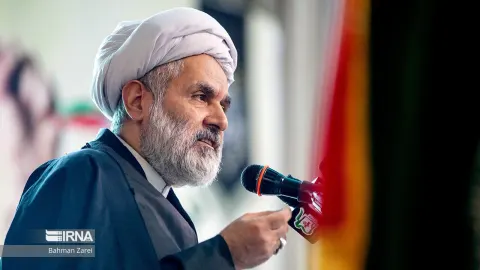
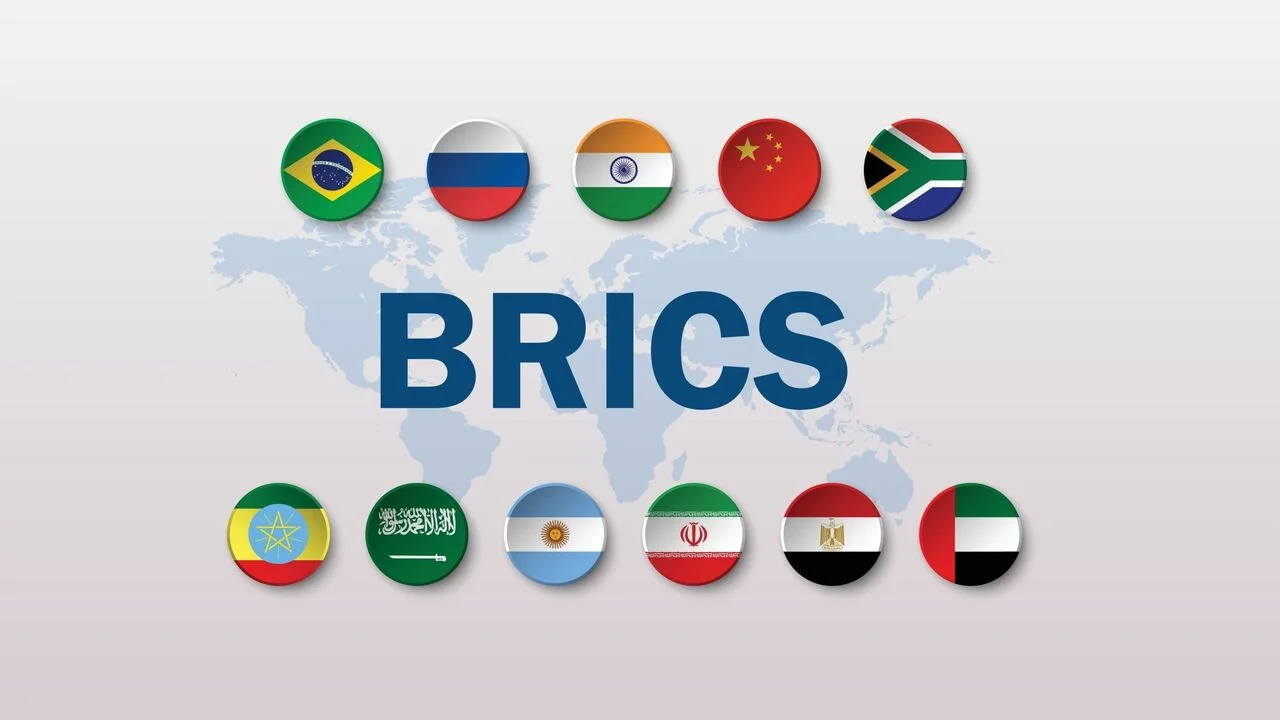
At the latest BRICS financial meetings in India, Iran’s central bank has officially proposed the creation of a dedicated financial corridor designed to integrate the payment networks of member states. This move, reported by state media, aims to build an independent infrastructure for cross-border financial settlements, effectively creating a parallel system to the Western-led SWIFT network. For the Iranian economy, which remains heavily restricted by international sanctions, this proposal represents a strategic attempt to formalize trade routes with emerging powers like Russia and China, potentially stabilizing the local currency by reducing reliance on the U.S. dollar. However, the rhetoric of regional cooperation extends beyond finance. State-controlled outlets are highlighting praise from Palestinian groups for Tehran's supposed calls to end regional conflicts. Yet, this diplomatic offensive occurs against a backdrop of continued tension in the Strait of Hormuz, where the IRGC maintains a firm grip on maritime traffic. For the average Iranian citizen, the immediate impact of these high-level maneuvers remains muted; the USD sell rate in Tehran moved from 187,400 to 187,600 Toman (+0.1%) over the last 24 hours, reflecting a market that is waiting for concrete results rather than diplomatic promises.

The 'Enron' Comparison: Michael Burry Shorts the AI Giant
Michael Burry, the legendary investor famous for predicting the 2008 housing collapse, has sent shockwaves through global markets by doubling down on his short position against Nvidia. Burry has characterized Nvidia’s recent $500 billion chip financing deal as a "Wall Street stunt" with distinct "shades of Enron." His skepticism centers on the idea that the current AI infrastructure build-out is being propped up by circular financing and unsustainable debt rather than genuine organic demand. This aggressive stance comes even as Nvidia attempts to convince a new crop of financiers to keep lending for massive data center projects, a move some analysts call brilliant and others, like Burry, call fraudulent. This market drama has significant implications for global risk appetite. If the AI bubble—if it is indeed a bubble—bursts, the ripple effects would be felt far beyond Silicon Valley, impacting everything from crypto sentiment to the valuation of tech-heavy portfolios in emerging markets. Currently, Bitcoin is hovering near $63,343, as traders weigh cooling U.S. inflation data against the potential for a tech-sector correction. For Iranian investors often looking to tech and crypto as hedges against local inflation, a major correction in Nvidia could signal a broader shift in global liquidity that might eventually pressure assets like USDT, which currently sits at 186,800 Toman.

Energy and Human Costs: From the Danube to the USS Abraham Lincoln
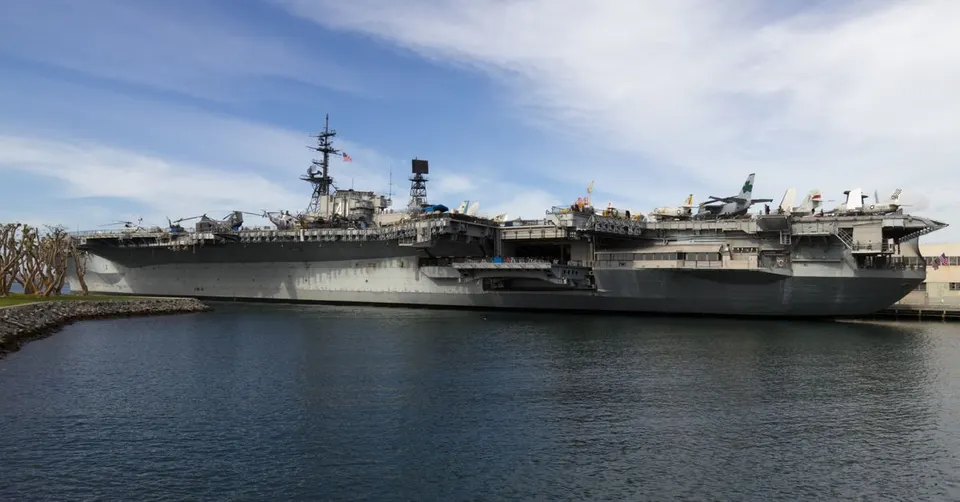
Global energy security is facing a dual threat from climate change and prolonged military deployments. In Europe, Romania has been forced to shut down its Cernavodă nuclear plant, which provides roughly 20% of the country's electricity. The shutdown is a direct result of extreme heat causing the Danube River’s water levels to drop too low to provide adequate cooling for the reactors. This event highlights the increasing vulnerability of traditional energy infrastructure to environmental shifts, a factor that could keep global energy prices volatile as the summer progresses. Simultaneously, the human cost of the ongoing regional standoff involving Iran is becoming evident on the high seas. Reports from the USS Abraham Lincoln, currently deployed in the region to counter Iranian influence, suggest a growing crisis of mental health and food shortages among the 5,000 sailors on board. While U.S. defense officials have attempted to downplay these reports as "misrepresented," the reality of record-breaking deployment lengths is clearly taking a toll. This naval strain, combined with the stalemate in the Strait of Hormuz, keeps the risk of a sudden spike in oil prices high, with analysts warning of a potential jump to $120 per barrel if the situation deteriorates further.
Gold Markets Cool as Tensions Simmer
Despite the geopolitical noise, the domestic gold market in Iran has seen a slight cooling over the past 24 hours. The price of 18-karat gold dropped from 19,167,551 to 19,049,817 Toman per gram, a decrease of 0.6%. This minor correction suggests that some of the immediate panic buying has subsided, even as the global gold ounce price remains elevated at $4,366.30. The Emami coin price has remained stagnant at 189,500,000 Toman, indicating a period of consolidation as local traders wait for the next major geopolitical catalyst from either the BRICS meetings or the ongoing U.S.-Iran maritime shadow war.
Frequently Asked Questions
What is the specific goal of Iran's BRICS financial corridor proposal?
Why did Michael Burry compare Nvidia to Enron?
How is the climate affecting European energy security right now?
What are the reported conditions on the USS Abraham Lincoln?
Understanding De-dollarization and the Push for Alternative Payment Systems
The U.S. dollar has long held the dominant position in international trade and finance, serving as the primary reserve currency, the benchmark for commodity pricing, and the preferred medium for cross-border transactions. This dominance, often termed "dollar hegemony," grants the United States significant economic and geopolitical leverage. However, recent years have seen a growing trend known as de-dollarization, where countries and blocs seek to reduce their reliance on the U.S. dollar by promoting the use of other currencies in international trade and developing alternative financial infrastructure.
The motivations behind de-dollarization are multifaceted. Geopolitical tensions play a significant role, as countries facing U.S. sanctions or wishing to assert greater financial sovereignty look for ways to circumvent the dollar-dominated SWIFT messaging system and U.S.-controlled financial channels. Economic factors also contribute, with some nations aiming to mitigate exchange rate risks, reduce transaction costs associated with dollar conversions, or foster regional economic integration by trading in local currencies. The BRICS bloc (Brazil, Russia, India, China, and South Africa, with recent expansions) has been at the forefront of this movement, actively exploring mechanisms like a common payment network or increasing bilateral trade in non-dollar currencies.
Iran's proposal for a BRICS payment network, as highlighted in the news, is a direct manifestation of this de-dollarization trend. Such a network would aim to facilitate transactions among member states and potentially other friendly nations without routing them through traditional Western financial systems, thereby reducing vulnerability to external pressures and sanctions. While the complete displacement of the dollar remains a distant prospect due to its deep entrenchment in global markets, these initiatives represent a significant, ongoing shift towards a more multipolar financial landscape, where multiple currencies and payment systems could coexist and compete. The long-term implications could include a gradual erosion of the dollar's share in global reserves and trade, impacting everything from commodity prices to international capital flows.
Topics
Related Articles