Power Dynamics and Pollution: Alan Jones Trial Begins as Iran Blames Foreign Aggression for Qeshm Oil Slick
از دادگاه جنجالی استرالیا تا آلودگی نفتی در قشم: سایه تنشهای سیاسی بر محیط زیست و بازارهای جهانی
A high-profile sexual assault trial in Sydney exposes deep-seated power imbalances in media, while Tehran links a massive oil spill near Qeshm Island to regional military activity. Meanwhile, the USD holds steady at 187,600 Toman as global political shifts continue to rattle investor confidence.
At time of publishing
USD
187,600
Toman
Gold 18K
19.01M
Toman / gram
Bitcoin
$63,130
US Dollar
Tether
187,170
Toman
The 'Extraordinary' Power Dynamic: Alan Jones Faces Court
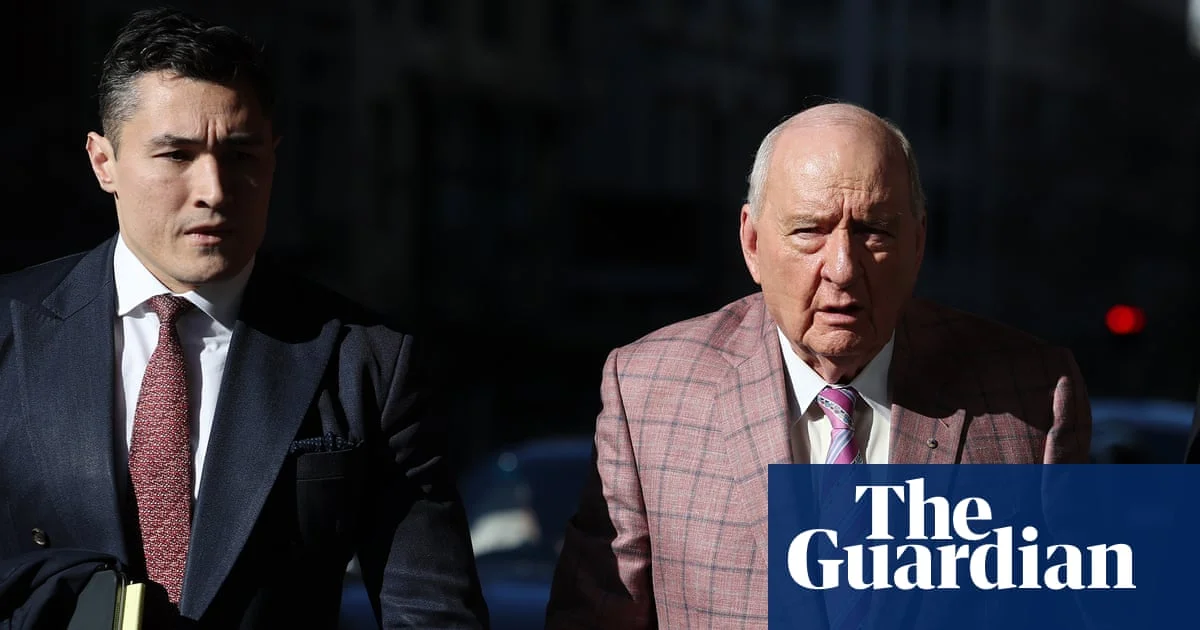
The trial of former Australian radio titan Alan Jones has commenced in Sydney, revealing disturbing allegations regarding the abuse of power within the media industry. Jones, 85, is facing 22 charges of indecent assault and sexual touching involving several complainants. During the proceedings on Friday, the court heard testimony from a former driver, identified as Complainant C, who described a relationship characterized by extreme subservience and fear. The complainant detailed tasks such as preparing soft-boiled eggs and ironing the broadcaster's underpants, illustrating a dynamic where he felt "trapped" and "violated" but unable to speak out due to Jones's massive public and professional influence.
This case is significant not just for its high-profile defendant, but for what it represents in the post-Me Too era of global media. It highlights the lingering structures of unaccountable power that allow influential figures to allegedly exploit subordinates for years without consequence. For the public, especially those following legal trends in international media, the trial serves as a litmus test for whether the judiciary can effectively dismantle the 'culture of silence' surrounding legacy media personalities. Jones has pleaded not guilty to all charges, and the trial is expected to continue for several weeks as more witnesses come forward.
Environmental Geopolitics: The Qeshm Island Oil Crisis
Closer to home, the Iranian government has officially linked the recent environmental catastrophe near Qeshm Island to foreign military presence in the region. Deputy Foreign Minister for Legal and International Affairs, Kazem Gharibabadi, stated that the oil pollution currently coating the shores of the strategic island is a direct consequence of foreign military aggression. While Tehran has not named a specific nation in this latest briefing, the rhetoric aligns with ongoing tensions regarding the deployment of Western naval assets in the Persian Gulf and the Strait of Hormuz. The spill has caused significant damage to the local ecosystem, threatening both the livelihoods of local fishermen and the delicate marine biodiversity of the area.
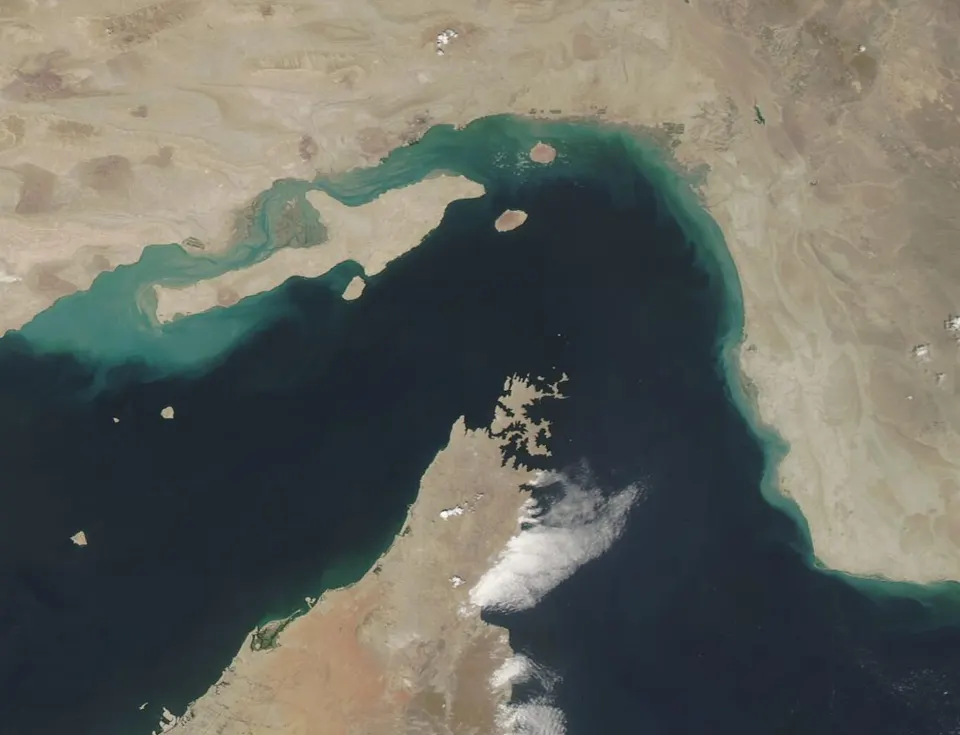
This incident underscores how environmental issues in the Middle East are rarely just about the climate; they are deeply intertwined with regional security and maritime sovereignty. By framing the pollution as an act of 'aggression,' Iran is likely preparing a legal or diplomatic case to be presented at international forums. For regional observers, this development signals a potential escalation in how Iran intends to hold foreign powers accountable for the 'collateral damage' of their naval operations. The economic impact on Qeshm—a key free trade zone—could also influence local market sentiment and investment in maritime infrastructure if the pollution persists or if naval tensions lead to further blockades.
Political Disruptions and Market Stability
In the United Kingdom, Nigel Farage has secured a victory in the Clacton byelection, a contest notable for being boycotted by every other major political party. Farage, the leader of Reform UK, framed the win as a victory for the "people against the establishment," though the victory is clouded by a scandal involving a £5 million gift from cryptocurrency billionaire Christopher Harborne. The fact that traditional parties chose to sit out the vote highlights a growing fragmentation in British politics, where populist movements are increasingly funded by high-net-worth individuals from the digital asset sector. This shift suggests that the intersection of crypto-wealth and political influence is becoming a permanent fixture of Western governance.

Despite these global political tremors, the Iranian currency market has shown a rare moment of stability this morning. The USD/IRR exchange rate held firm at 187,600 Toman, showing 0.0% change over the last 24 hours. Gold, however, saw a slight downward adjustment; 18k gold moved from 19,075,211 to 19,008,264 Toman per gram, a decrease of 0.4%. While the currency remains flat, the dip in gold prices reflects a broader global cooling in bullion demand as investors digest the latest geopolitical shifts. For the Iranian consumer, this stability provides a brief window of predictability in an otherwise volatile economic landscape, though the underlying tensions in the Persian Gulf remain a significant risk factor for future price shocks.
Frequently Asked Questions
Why is the Alan Jones trial attracting international attention?
What is the official cause of the oil spill near Qeshm Island?
How has the Iranian market reacted to the recent regional tensions?
How Exchange Rates and Currency Devaluation Shape Iran’s Economy
Exchange rates are the price of one currency expressed in terms of another. In a floating system, market forces of supply and demand determine the rate, while a fixed or managed regime pegs the domestic currency to a foreign anchor (often the US dollar) and the central bank intervenes to keep the rate within a narrow band. Iran has operated a hybrid system for decades, maintaining an official rate for government transactions, a subsidised rate for essential imports, and a market‑driven “free” rate that reflects the realities of sanctions‑driven scarcity of foreign currency.
The term devaluation refers to a deliberate downward adjustment of a fixed or managed exchange rate by the authorities. In Iran’s case, devaluation has been used as a tool to raise foreign‑exchange earnings, attract remittances, and alleviate pressure on the official rate, but it also fuels inflation because imported goods become more expensive in rial terms. The August 2026 official USD/IRR rate surged past 500,000 rials per dollar, a level far above the market rate of roughly 1 million, illustrating the widening gap between official policy and market reality.
Currency devaluation reverberates through the broader economy. Higher import costs raise the price of food, medicine, and industrial inputs, eroding real wages and prompting households to turn to gold and foreign‑currency deposits as stores of value. Consequently, the price of gold in toman (Iran’s unofficial unit of 10 rials) often spikes in tandem with rial weakness, a pattern observed throughout the past decade. For businesses, devaluation can improve export competitiveness, yet the benefits are muted if sanctions limit access to foreign markets.
Understanding Iran’s exchange‑rate regime is essential for grasping its macro‑economic challenges. The interplay of sanctions, multiple exchange rates, and periodic devaluations creates a volatile environment that influences everything from oil‑spill clean‑up funding on Qeshm Island to the political rhetoric surrounding foreign aggression. Analysts watch the rial’s trajectory closely because it serves as a barometer of economic stability, inflation expectations, and the effectiveness of government policy in a highly constrained financial system.
For those interested in a deeper dive, the International Monetary Fund (IMF) regularly publishes reports on Iran’s monetary policy, while the World Bank provides historical exchange‑rate data. News outlets such as Reuters track real‑time movements and policy announcements, offering a practical view of how devaluation decisions play out on the ground.
Topics
Related Articles