
Japan Flood Crisis Strands Thousands as Bitcoin Breaks Key Support Levels
بحران سیل در ژاپن و سقوط فنی بیتکوین؛ تلاطم در بازارهای جهانی
Unprecedented rainfall in Japan has paralyzed Narita airport and claimed six lives, while Bitcoin faces a technical breakdown below the 200-day moving average. In the diplomatic arena, Iran rejects fresh US allegations regarding Yemen at the United Nations.
At time of publishing
USD
187,600
Toman
Gold 18K
19.01M
Toman / gram
Bitcoin
$63,046
US Dollar
Tether
187,016
Toman
Unprecedented Rains Paralyze Japan’s Transport Hubs
Japan is currently grappling with a climate catastrophe as 'unprecedented' rainfall has devastated parts of the country, leading to at least six confirmed fatalities. The severity of the storm has caused widespread power outages, affecting more than 20,000 households and creating a logistical nightmare at Tokyo’s Narita International Airport. Reports indicate that approximately 7,000 travelers remain stranded at the terminal as flight operations were halted due to the extreme weather conditions. This disruption to one of Asia’s most critical transport hubs is expected to have ripple effects on regional supply chains and international travel schedules for days to come.
The human cost is compounded by the structural damage to infrastructure, with emergency services struggling to reach isolated communities. Beyond the immediate tragedy, the economic impact on Japan—a key player in global electronics and automotive manufacturing—is a growing concern for investors. Market analysts are closely monitoring whether the logistical bottlenecks at Narita will delay high-value exports, potentially affecting the yen's stability and regional trade balances. This event serves as a stark reminder of how environmental volatility can abruptly halt the machinery of global commerce.

Bitcoin Breaks Below Critical Support as Regulatory Fears Mount
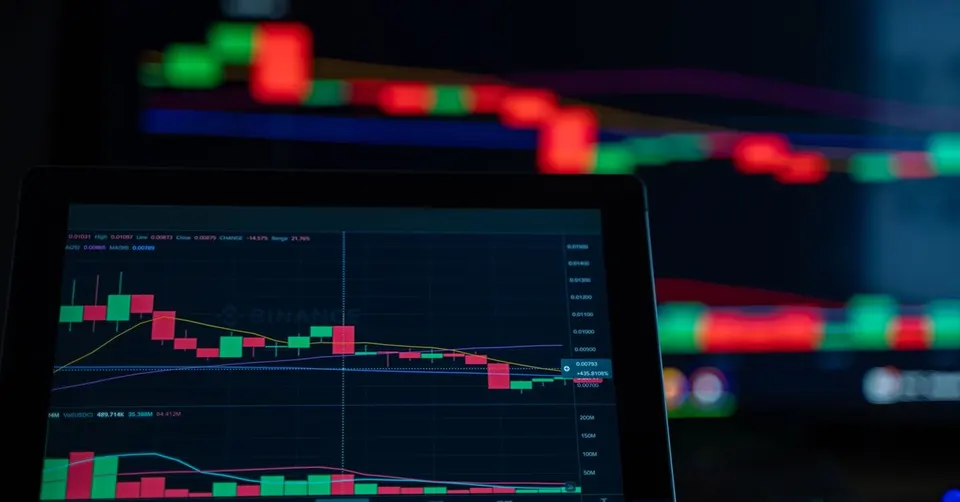
In the financial markets, Bitcoin has experienced a significant technical breakdown, falling to $63,046. This move is particularly concerning for traders as the premier cryptocurrency has slipped below its 200-day Simple Moving Average (SMA) and the Ichimoku Cloud—two indicators often used to gauge long-term bullish momentum. The current price action suggests that the 'rate cut cheer' which buoyed markets earlier this month is being overshadowed by persistent regulatory delays and a souring sentiment among institutional holders.
The decline comes amid news that Bitcoin-heavy entities like MicroStrategy and Metaplanet may face exclusion from major MSCI stock indices under a new proposal targeting 'non-operating companies.' This structural shift in how crypto-linked stocks are categorized is creating a cluster of headwinds for the sector. Furthermore, the shuttering of banking relationships for platforms like Polymarket by giants like JPMorgan highlights a tightening environment for crypto liquidity. For the average investor, this suggests a period of heightened volatility where technical 'floors' are being tested, and the path to $70,000 looks increasingly obstructed by bureaucratic and institutional hurdles.
Diplomatic Friction: Iran Rejects US Allegations at UN Security Council
On the geopolitical front, tensions between Tehran and Washington have flared up once again at the United Nations. Gholamhossein Darzi, Iran’s Deputy Permanent Representative to the UN, officially rejected what he termed 'baseless and unsubstantiated' allegations made by the United States regarding Iran's role in Yemen. During a Security Council session, the US representative accused Tehran of destabilizing the region, a claim that Iranian state media has dismissed as a diversionary tactic. This diplomatic exchange underscores the deep-seated mistrust that continues to define the relationship between the two nations, with no clear path toward de-escalation in sight.
For the Iranian domestic market, this continued friction at the UN serves as a signal that the geopolitical risk premium remains high. While the USD/IRR exchange rate has remained stable at 187,600 Tomans over the last 24 hours, the lack of diplomatic progress suggests that the pressure on the national currency is unlikely to ease soon. Investors in Tehran often view these UN sessions as a barometer for future sanctions policy; as long as the rhetoric remains hostile, the appetite for long-term Rial-denominated investments remains suppressed, keeping the demand for hard currency and gold—which currently sits at 19,005,955 Tomans per gram—at elevated levels.

Brexit’s Long Shadow: The Human Cost of Policy Rigidities
A poignant story from Europe highlights the ongoing human fallout from Brexit, as a 78-year-old British widow, Joyce Thomas, faces deportation from Sweden after living there for 21 years. Despite being self-sufficient and having no criminal record, Thomas lost her appeal to remain in the country under the strict post-Brexit residency rules. This case has sparked outrage and concern among the thousands of British expatriates living across the EU, illustrating that the legal complexities of the UK’s departure from the union are far from resolved. It emphasizes how administrative rigidity can transform lives into political leverage, creating a sense of 'hell' for those caught in the crossfire of international treaties.
This development is more than just a human interest story; it reflects the hardening stance of EU member states regarding immigration and residency status in a post-Brexit world. As populist movements gain ground across Europe, the enforcement of such rules is becoming more stringent, potentially affecting cross-border labor mobility and the social fabric of expatriate communities. For global observers, it serves as a cautionary tale of how geopolitical shifts can have delayed but devastating consequences for individuals who thought their status was secure.
Watch
Record rainfall floods Japan's Chiba
Reuters
Frequently Asked Questions
Why is Bitcoin's drop below the 200-day SMA significant?
How does the flood in Japan affect global markets?
What is the impact of the MSCI proposal on crypto stocks?
Understanding Safe-Haven Assets in Times of Crisis
In the unpredictable landscape of global finance, investors often seek refuge in what are known as safe-haven assets. These are investments expected to retain or even increase in value during periods of market turbulence, economic uncertainty, or geopolitical instability. The primary appeal of a safe haven is its ability to protect capital from the widespread losses that typically occur during a crisis, offering a sense of security when other assets are plummeting.
Traditionally, gold has been the quintessential safe-haven asset, revered for its intrinsic value, historical stability, and global acceptance. Its price often rises when confidence in paper currencies or financial markets wanes, making it a crucial store of value, particularly in regions facing high inflation or currency depreciation, as seen with the "Gold price Toman" in certain markets. Other traditional safe havens include certain highly liquid government bonds and strong, stable currencies like the US Dollar (USD), Japanese Yen (JPY), or Swiss Franc (CHF), which are backed by robust economies and political stability.
However, the definition of a safe haven is not static and can be debated for newer asset classes. For instance, Bitcoin and other cryptocurrencies are sometimes touted as "digital gold" or a hedge against traditional financial systems. Yet, their extreme volatility, often exacerbated during broader market sell-offs (as suggested by "Bitcoin breaks Key Support Levels" and "Crypto market crash"), frequently undermines their role as a true safe haven. A genuine safe haven should ideally exhibit an inverse or very low correlation with the broader market during downturns, a characteristic Bitcoin often fails to demonstrate.
Ultimately, understanding safe-haven assets is crucial for any investor navigating the complexities of the modern world. Whether it's the economic fallout from a natural disaster like the "Japan Flood Crisis," or the ripple effects of geopolitical tensions and currency fluctuations, the strategic allocation to reliable safe havens can be a vital component of a resilient investment portfolio, helping to preserve wealth when the unexpected strikes.
Topics
Related Articles