Naval Fatigue and Chokepoint Crises: Alan Jones Trial Begins as Hormuz Tanker Traffic Hits New Lows
فرسودگی در دریا و بحران در تنگه هرمز؛ آغاز محاکمه جنجالی آلن جونز همزمان با رکود بیسابقه ترافیک نفتکشها
As a high-profile trial in Sydney exposes the dark side of media power dynamics, the Middle East faces a logistical squeeze with tanker traffic through the Strait of Hormuz plummeting. Meanwhile, the human cost of prolonged naval deployments near Iran is coming to light, with US sailors reporting severe mental health crises.
At time of publishing
USD
187,600
Toman
Gold 18K
19.02M
Toman / gram
Bitcoin
$62,733
US Dollar
Tether
187,168
Toman
The Weight of Power: Alan Jones Faces Justice in Sydney
The trial of Alan Jones, a titan of Australian broadcasting for decades, has officially commenced, casting a harsh spotlight on the intersection of media influence and personal conduct. Jones, now 85, faces 22 charges related to indecent assault and sexual touching, allegations he has vehemently denied. On Friday, the court heard harrowing testimony from a former driver, identified only as Complainant C, who described a pattern of escalating behavior. The complainant detailed a profound sense of being "violated" and "trapped," explaining that the extraordinary power dynamic between a young employee and a national media figure made it nearly impossible to speak out at the time.
This case is more than a local legal matter; it serves as a global case study in how institutional power can silence victims for decades. For observers in Iran and the wider region, where media and political figures often operate with high degrees of opacity, the public nature of this accountability process is significant. It highlights a shift toward scrutinizing the private actions of those who hold the public's ear. As the trial continues, it is expected to ignite broader conversations about workplace safety and the ethical responsibilities of those in positions of extreme influence.

Invisible Scars: The Human Cost of the Middle East Naval Standoff
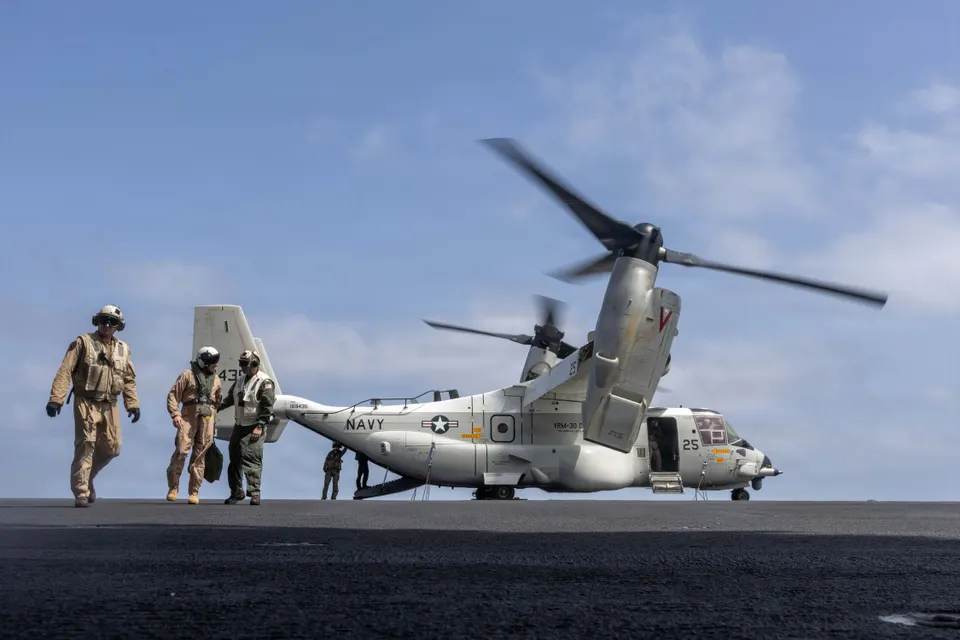
While geopolitical analysts focus on the movements of aircraft carriers, a more personal crisis is unfolding aboard the USS Lincoln. Reports have emerged of declining mental health and severe supply issues among sailors who have spent a record 260 uninterrupted days at sea. The deployment, aimed at deterring Iranian regional aggression and supporting the ongoing maritime standoff, has pushed personnel to their breaking point. Some reports even suggest sailors have attempted to throw themselves overboard, a grim indicator of the psychological toll that indefinite high-stakes deployments take on the rank and file.
The USS Lincoln is slated to be replaced by the Pacific-based USS George Washington, but the logistical and human strain remains a critical vulnerability. For the Iranian market and regional security observers, this fatigue suggests that the "maximum pressure" and constant naval presence strategy has a shelf life. If the US Navy struggles to maintain its operational tempo due to personnel burnout, the deterrent effect may weaken, potentially leading to shifts in how maritime security is managed in the Persian Gulf and the Red Sea. This human element often goes uncounted in the price of oil or the strength of a currency, but it is the foundation of military projection.
, Public domain]
Chokepoint Pressure: Hormuz Traffic Hits New Lows
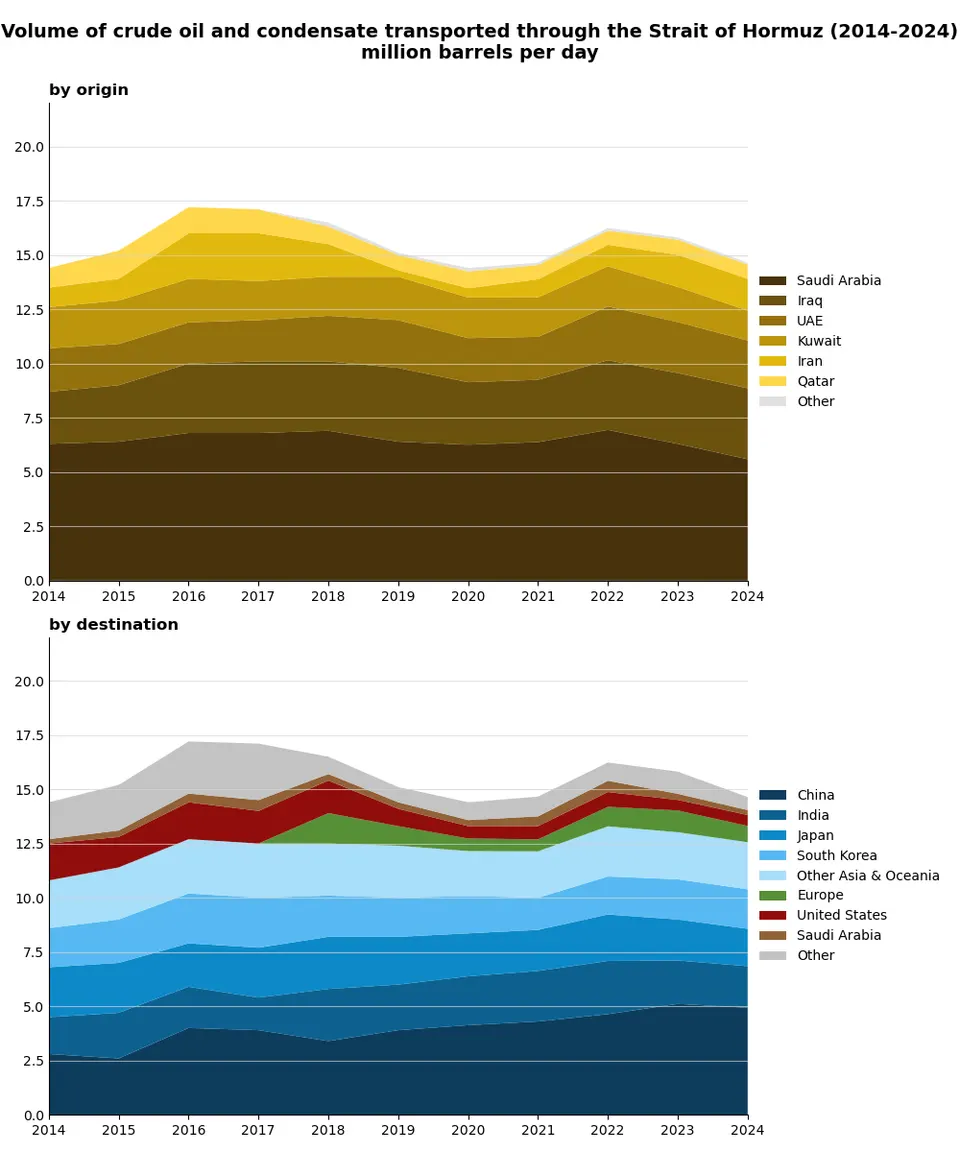
Economic data from Kpler reveals a startling trend in the Strait of Hormuz, where tanker traffic has slumped significantly. On Wednesday and Thursday, crossings dwindled to just five and nine respectively, a sharp drop from the monthly average of 12 per day. This decline comes as the U.S.-Iran standoff drags on, creating a climate of risk that is forcing shipping companies to reconsider their routes or delay departures. Most of the remaining traffic is reportedly utilizing the Iranian corridor, indicating a tactical shift in how vessels navigate these contested waters to avoid potential seizures or harassment.
For the Iranian economy, this slump is a double-edged sword. While it demonstrates Iran's ability to influence the flow of global energy, it also signals a tightening noose around the region's primary export artery. In the local markets, the USD/IRR exchange rate has remained remarkably static at 187,600 Toman, showing a 0.0% change over the last 24 hours. However, the underlying tension is reflected in the gold market, where 18k gold fell slightly to 19,022,115 Toman (-0.3%). The market is currently in a "wait-and-see" mode, pricing in the risk of a sudden escalation that could disrupt supply chains and send the Rial into another tailspin.
Fortress America: Trump’s 100% Drone Tariffs and the Trade War
In a move that signals a further hardening of U.S. trade policy, President Donald Trump has imposed tariffs of up to 100% on imported drones and their components. Citing national security concerns and the need to end reliance on foreign—specifically Chinese—suppliers, the administration is effectively building a wall around the domestic tech industry. These measures, set to take effect in 21 days, will impact not only adversaries but also key U.S. allies who have become integral parts of the global drone supply chain. This is a clear pivot toward a "Fortress America" economic model where strategic technology is concerned.
This policy has direct implications for the global tech market and regional conflicts where drones have become a primary tool of warfare. For Iranian tech enthusiasts and the industrial sector, which often relies on gray-market imports of components, these tariffs could tighten global supply and drive up costs. Furthermore, as the U.S. moves to subsidize its own domestic manufacturing, we are seeing a fragmented global economy where the free flow of technology is increasingly sacrificed for the sake of security. This protectionist trend is likely to sustain the current high-inflation environment globally, keeping assets like gold (currently at $4,346.40 per ounce) as a preferred hedge for investors.
Frequently Asked Questions
Why has tanker traffic in the Strait of Hormuz decreased so sharply?
What is the significance of the 100% tariffs on drones imposed by Trump?
How is the Iranian Rial reacting to these regional tensions?
Understanding Maritime Chokepoints: The Strait of Hormuz
In the complex web of global trade and energy supply, certain geographical features hold disproportionate power: these are known as maritime chokepoints. A chokepoint is a narrow channel or strait along a heavily used sea route that is critical for international commerce. Their strategic importance stems from the fact that a significant volume of global trade, particularly oil and natural gas, must pass through them. Any disruption, whether due to geopolitical tensions, piracy, or natural disasters, can have immediate and far-reaching consequences for global markets and security.
The Strait of Hormuz is arguably the world's most critical maritime chokepoint. Situated between Iran and Oman, it is the sole sea passage from the Persian Gulf to the open ocean, through which roughly one-fifth of the world's total oil consumption and a substantial amount of liquefied natural gas (LNG) transits daily. This makes it an indispensable artery for global energy supply, with major implications for oil-dependent economies worldwide. The sheer volume of traffic and the strategic vulnerability of the Strait mean that any threat to its free passage immediately sends ripples through international energy markets.
The geopolitical significance of the Strait of Hormuz cannot be overstated. Its location at the nexus of major energy producers and consumers, coupled with regional rivalries and international political tensions (such as those involving the U.S. and Iran), makes it a perennial flashpoint. The threat of naval standoffs, blockades, or attacks on shipping in the Strait can dramatically escalate global energy prices, increase shipping insurance costs, and prompt military responses to ensure freedom of navigation. Nations heavily reliant on Persian Gulf oil actively monitor and seek to secure this vital waterway, often deploying naval assets to deter potential disruptions.
Understanding maritime chokepoints like the Strait of Hormuz is crucial for comprehending global energy security, international relations, and economic stability. Their inherent vulnerability means that even the threat of disruption can impact global commodity prices, influence foreign policy decisions, and underscore the delicate balance of power in key strategic regions.
Topics
Related Articles