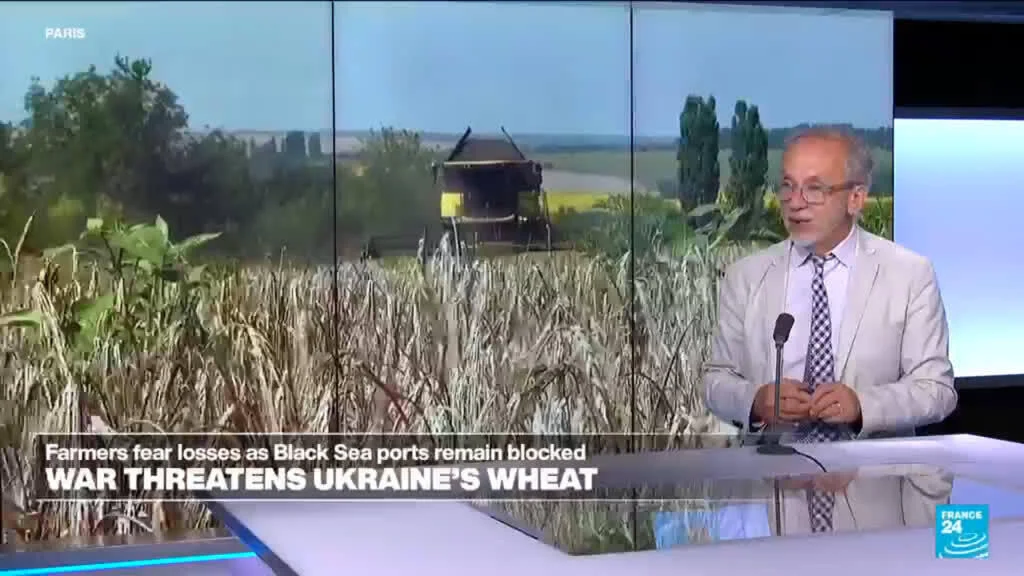
Grain Wars Ignited: Food Price Fears Surge as Ukraine-Russia Attacks Intensify Amid Global Market Shifts
شعلهور شدن جنگ غلات؛ نگرانی از جهش قیمت مواد غذایی در پی تشدید حملات روسیه و اوکراین
Global food security is under renewed threat as Russia and Ukraine intensify strikes on grain infrastructure, while US markets grapple with shifting corporate policies and a cooling crypto sector. As Bitcoin slips below $63,000, the Iranian Toman shows marginal stability despite regional geopolitical tensions.
At time of publishing
USD
187,400
Toman
Gold 18K
19.05M
Toman / gram
Bitcoin
$62,830
US Dollar
Tether
187,786
Toman
The Return of the Grain Crisis
The conflict between Russia and Ukraine has entered a volatile new phase, with both nations trading devastating strikes on grain warehouses and export infrastructure. This escalation has immediately reignited fears of a global food price surge, reminiscent of the early days of the 2022 invasion. International observers note that these targeted attacks are not merely collateral damage but strategic attempts to choke the economic lifelines of the opposition. For global markets, this means a potential return to high volatility in agricultural commodities, which had only recently begun to stabilize after years of disruption.
Adding to the tension, a significant drone strike recently sparked a blaze at the Ust-Luga oil and fuel terminal, a critical Russian export hub in the Baltic Sea. This attack highlights Ukraine's growing capability to strike deep into Russian industrial territory, targeting the very energy exports that fund the Kremlin's war effort. As these supply chains are disrupted, the cost of shipping and insurance for cargo in the region is expected to climb, creating a ripple effect that will eventually be felt at the checkout counters of supermarkets across Europe and the Middle East.
Corporate Resilience and the DEI Debate
In the United States, a surprising trend is emerging within the corporate landscape regarding Diversity, Equity, and Inclusion (DEI) policies. Despite aggressive rhetoric suggesting that companies focusing on social equity would suffer financially—the so-called "go woke, go broke" narrative—new data suggests that firms maintaining these policies have actually thrived. Major entities like Google, Goldman Sachs, and McDonald’s initially faced pressure to dismantle their DEI frameworks following executive orders and conservative backlash, yet those that integrated these values into their core operations have seen no significant loss in profitability compared to their peers.
This resilience suggests that the market values stability and long-term talent retention over short-term political posturing. While some firms publicly scaled back their programs to avoid becoming targets in the US culture wars, the underlying structural changes in corporate governance appear to be more permanent than previously thought. For investors, this indicates that social policy within a company is becoming a secondary factor to operational efficiency, though the political risk remains a variable that boards must navigate with extreme caution as the US midterms approach.

Geopolitical Deadlocks and the Mirage of Ceasefires
The concept of a 'ceasefire' has become a recurring but elusive theme in global hotspots, from Gaza and Lebanon to Ukraine and the ongoing tensions involving Iran. Recent analysis suggests that these truces often fail because they are treated as tactical pauses rather than genuine steps toward peace. In the Middle East, the deadlock between the U.S. and Iran persists, with Vice President JD Vance recently emphasizing that keeping energy prices low remains the top American priority. This focus on domestic economic stability suggests that the U.S. may be less inclined to seek a rapid resolution if the status quo keeps oil prices manageable for American consumers.
For the Iranian economy, this persistent state of 'neither war nor peace' creates a difficult environment for long-term planning. While the Toman has shown surprising resilience today—with the USD/IRR pair moving from 187,600 to 187,400, a slight decrease of 0.1%—the underlying lack of a formal diplomatic breakthrough keeps the risk premium high. Investors in Tehran remain cautious, moving between gold and hard currency as they wait for a signal that the regional shadow war might actually transition into a period of sustained de-escalation, a prospect that currently seems distant.
Crypto Cool-off and Commodity Shifts
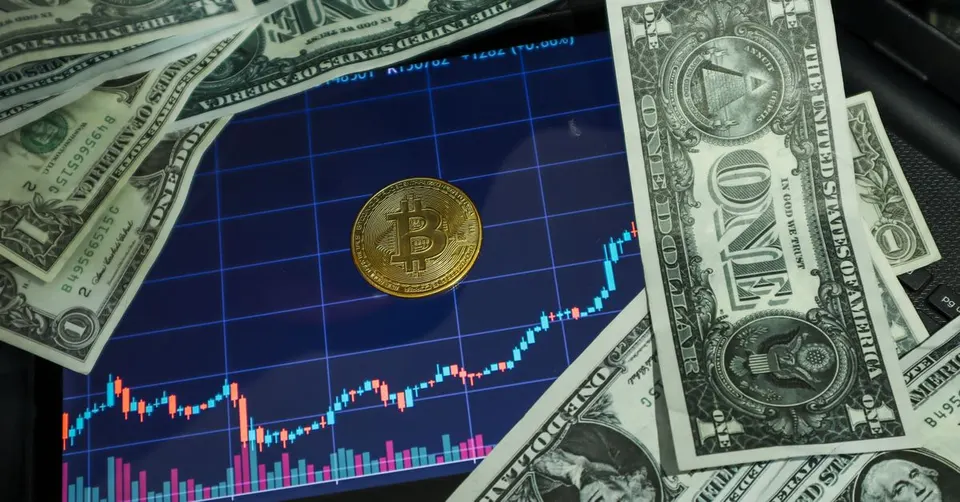
In the digital asset space, Bitcoin has faced significant downward pressure, slipping below the $63,000 mark as regulatory delays and a lack of fresh catalysts dampen investor enthusiasm. Specifically, Bitcoin fell to 62,830 USD as long positions on major exchanges like Binance faced a 'cleanout.' This liquidations-driven move has wiped out recent gains, leaving traders to wonder if the August lows have yet been reached. The lack of momentum in spot ETFs, which saw their first two-day drawdown of the month, suggests that institutional appetite may be pausing as the broader macroeconomic picture remains clouded by high interest rates.
Domestically, the gold market in Iran is mirroring this cautious sentiment. The price of 18k gold per gram moved from 19,075,211 to 19,045,200 Toman, a marginal decrease of 0.2%. Emami coins remained stagnant at 189,500,000 Toman. These minor fluctuations suggest a market in a holding pattern, where neither the bulls nor the bears have enough conviction to drive a major breakout. For the average Iranian saver, this provides a brief window of price stability, though the looming threat of food inflation due to the aforementioned grain wars remains a significant concern for the coming months.
Watch
Ukraine war: Grain attacks raise food price fears • FRANCE 24 English
FRANCE 24 English
Frequently Asked Questions
Why are grain attacks in Ukraine affecting global food prices again?
Has the 'Go Woke, Go Broke' trend actually impacted US corporate earnings?
What is causing the current sell-off in Bitcoin?
How is the US-Iran deadlock affecting the price of the Toman?
Supply Chain Disruption and Food Inflation
Supply chain disruption refers to any unforeseen event that interrupts the flow of goods and services from their origin to the consumer. While often associated with manufacturing, these disruptions have profound impacts on essential commodities like food. The ongoing conflict between Ukraine and Russia serves as a stark example, highlighting how geopolitical tensions can severely cripple global food supply chains, leading to widespread economic instability and soaring prices.
In the context of the 'Grain Wars,' attacks on critical agricultural infrastructure, blockades of shipping routes, and increased risks for maritime transport directly impede the movement of vital foodstuffs like wheat and corn. Ukraine, a major global exporter of grains, has seen its production and export capabilities severely curtailed. Furthermore, incidents like the Ust-Luga oil terminal fire, while seemingly unrelated to food, demonstrate how disruptions in energy supply chains can indirectly escalate food costs by increasing fuel prices for farming machinery, processing, and transportation.
The immediate consequence of these disruptions is a reduction in the global supply of affected commodities and a significant increase in their cost of delivery. When supply dwindles and costs rise, prices inevitably climb – a phenomenon known as inflation. For consumers worldwide, this translates into higher grocery bills, a concept termed 'food inflation.' This isn't just an economic inconvenience; it can lead to food insecurity, particularly in vulnerable nations dependent on imports, and can exacerbate social and political unrest. The interconnectedness of global markets means that a localized conflict can trigger a ripple effect, impacting household budgets and economic stability across continents.
Understanding supply chain disruption is crucial for comprehending why events far away can directly affect the price of bread on your table. It underscores the fragility of global trade networks and the critical importance of stability for maintaining affordable access to basic necessities.
Topics
Related Articles