Hormuz Crisis Diverts Global Oil as Toman Eases to 187,300; Iranian Weightlifter Sweeps Gold in Tashkent
تغییر مسیر نفت جهان در پی بحران هرمز؛ کاهش جزئی تومانی و درخشش وزنهبردار ایرانی در تاشکند
As the Strait of Hormuz remains effectively closed, Asian refiners are pivoting toward U.S. crude, while the Iranian Toman shows slight cooling to 187,300. Meanwhile, national pride surges as Farhad Gholizadeh secures three gold medals at the Asian Junior Championships.
At time of publishing
USD
187,300
Toman
Gold 18K
19.05M
Toman / gram
Bitcoin
$62,807
US Dollar
Tether
187,495
Toman
The Human Cost of Fragile Trade: Zimbabwe’s Ferry Tragedy
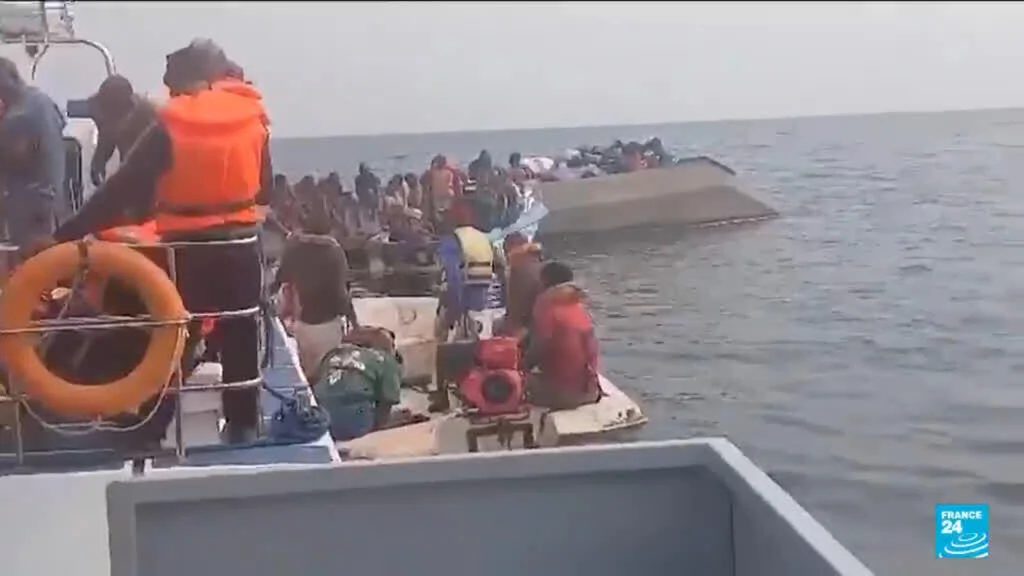
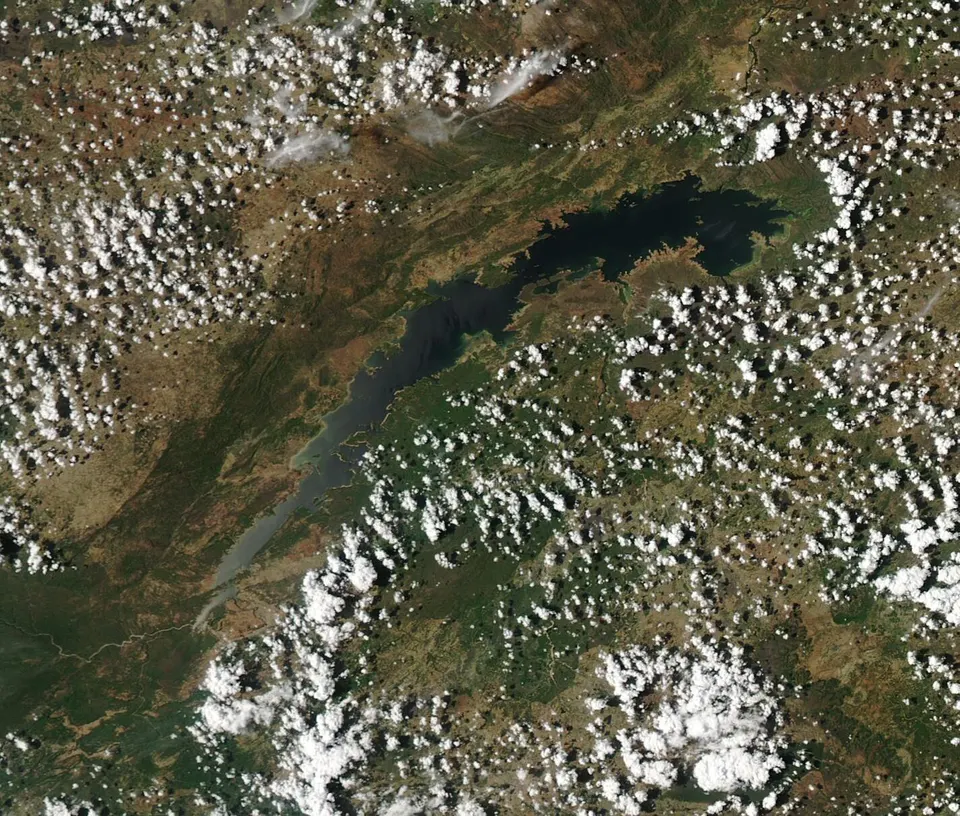
A somber shadow has been cast over global trade discussions this afternoon following a devastating ferry disaster on Lake Kariba in Zimbabwe. At least 46 lives were lost when a vessel, described as a vital lifeline for local fish traders and villagers, capsized due to reported overloading. While the incident occurred in a rural setting far from the financial hubs of the Middle East, it serves as a stark reminder of the infrastructure vulnerabilities that plague developing economies. For Iranian observers, the tragedy resonates as a cautionary tale of how reliance on aging or unmonitored transit systems can lead to catastrophic disruptions in local commerce and human life.
This disaster comes at a time when global commodity routes are under intense scrutiny. The loss of life in Zimbabwe underscores the high stakes of logistical safety in regions that provide essential raw materials to the world. For the Iranian reader, who is often navigating a landscape of shifting trade routes and sanctioned logistics, the stability of transport infrastructure remains a top-of-mind concern. Such events often trigger a temporary dip in regional confidence, reminding investors that behind every trade statistic lies a complex and often fragile network of human effort and physical assets.
National Pride and Border Security: Gold Medals and Counter-Terror Operations
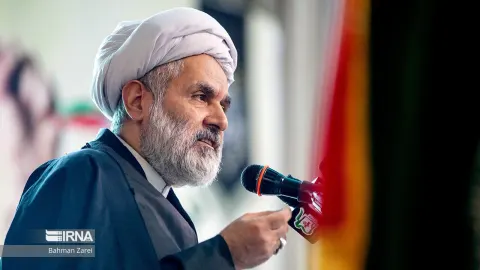
On the sporting front, Iran has seen a significant boost in national morale as Farhad Gholizadeh dominated the Asian Junior Weightlifting Championships in Tashkent. Competing in the 110kg category, Gholizadeh managed a clean sweep, securing three gold medals in the snatch, clean and jerk, and total events. This athletic triumph provides a rare moment of celebratory unity for the public, highlighting the resilience and talent of Iranian youth on the international stage despite the broader economic pressures facing the country. In the world of the Toman, such cultural and sporting victories often act as psychological anchors, providing a brief respite from the relentless cycle of market volatility.
However, the domestic narrative remains complex, as security concerns persist in the southeastern regions. The Islamic Revolution Guards Corps (IRGC) announced on Friday the arrest of the final member of a suspected terrorist cell in Sistan and Baluchestan. This follows a deadly encounter earlier in August where two other members were killed. The government’s focus on tightening security in these border provinces is a direct response to ongoing instability that threatens internal trade routes. For the average citizen, these reports reinforce a sense of high-alert governance, where the state prioritizes territorial control as a prerequisite for any potential economic recovery or regional integration.

The Hormuz Chokepoint: Global Energy Flows Pivot as the Toman Finds Support
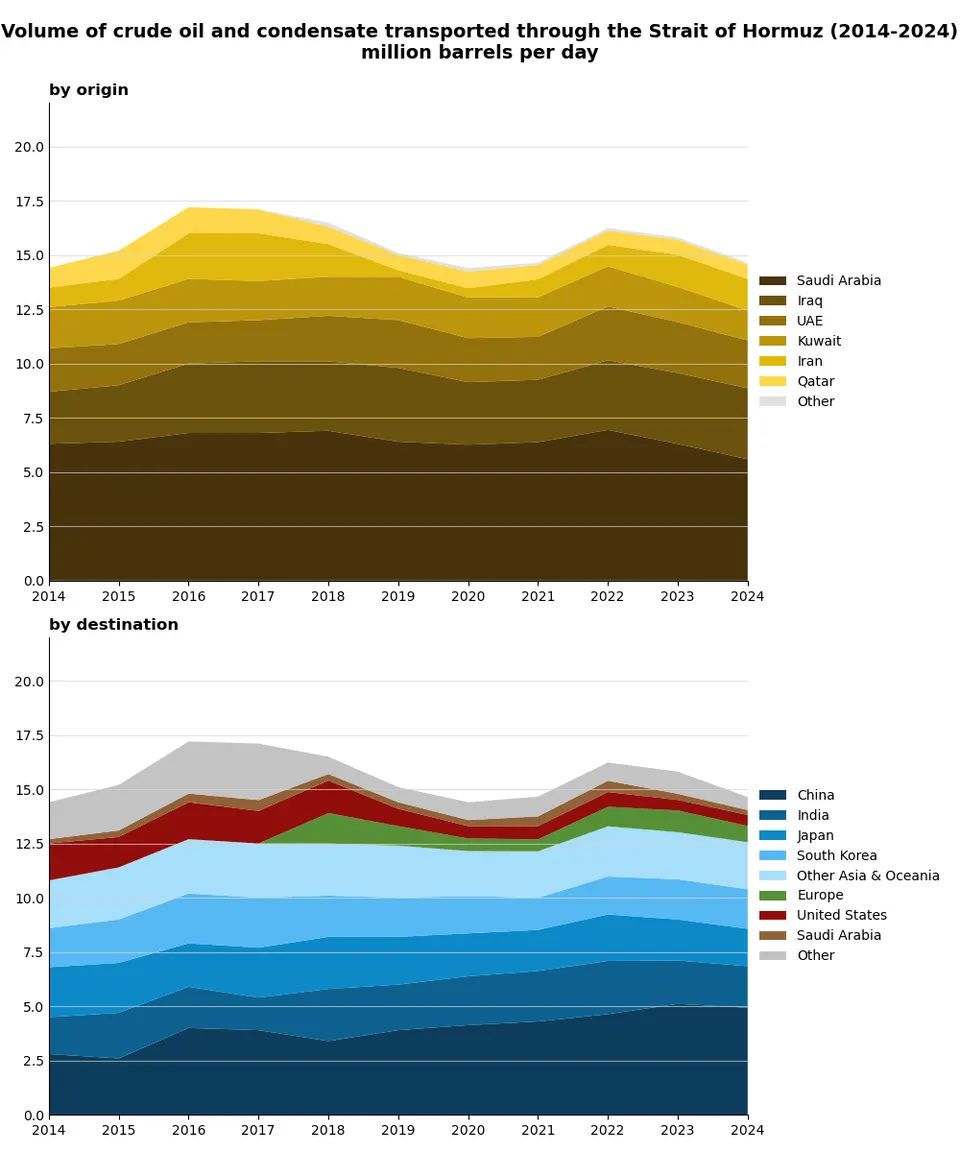
The most significant shift in the global energy landscape this hour is the accelerating pivot of Asian refiners away from Middle Eastern crude. With the Strait of Hormuz effectively closed due to the ongoing U.S.-Iran stalemate, refiners in Japan and China have significantly increased their purchases of U.S. crude oil. This move is more than a temporary adjustment; it represents a fundamental restructuring of global supply chains as the risk of transit through the Persian Gulf becomes untenable for many commercial shippers. The slump in tanker traffic at the world’s most important chokepoint is no longer just a headline—it is a lived reality for the global markets.
In Tehran, the currency market has reacted with a surprising degree of calm. The USD sell rate moved from 187,600 to 187,300, a minor decrease of 0.2% over the last 24 hours. This relative stability suggests that the market has already priced in much of the regional tension, or perhaps that the central bank’s interventions are holding the line for now. Gold prices also saw a marginal dip, with 18k gold falling from 19,075,211 to 19,047,509 Toman per gram. As the U.S. national debt nears the staggering $40 trillion mark, global investors are increasingly looking toward gold as a hedge, yet the local Iranian market remains largely influenced by immediate geopolitical developments and the availability of hard currency.
Semiconductor Outlook and the AI Race
Beyond energy and geopolitics, the tech sector is providing a mixed bag of signals for the broader economy. Shares of Applied Materials have seen a downturn due to concerns over guidance and margins, yet many analysts are flagging this as a prime buying opportunity. The underlying logic is that the race for artificial intelligence dominance is far from over, and companies providing the essential semiconductor equipment will remain indispensable. For the Iranian tech community and those looking to diversify their portfolios through indirect crypto or tech exposure, this volatility in the chip sector is a crucial indicator of where the next wave of global capital will flow.
As the weekend approaches, the convergence of these stories—from the tragic loss of life in Zimbabwe to the strategic shifts in the oil trade—paints a picture of a world in transition. The Toman’s slight recovery today may offer some peace of mind to local traders, but the underlying pressures of a closed Hormuz and a ballooning U.S. debt ensure that the path ahead remains fraught with uncertainty. Navigating these waters requires a keen eye on both the humanitarian and the high-finance aspects of the news cycle.
Watch
Ferry sinking kills 46 in rural Zimbabwe • FRANCE 24 English
FRANCE 24 English
Frequently Asked Questions
Why are Asian refiners buying US oil instead of Middle Eastern crude?
How did the Iranian Toman react to the latest regional tensions?
What is the significance of the US national debt reaching $40 trillion?
The Strait of Hormuz: A Global Oil Chokepoint
The Strait of Hormuz is arguably the single most critical maritime chokepoint for global energy supplies, a narrow passage connecting the Persian Gulf to the Arabian Sea and beyond. Situated between Iran and Oman, this strategic waterway is indispensable for the transport of a significant portion of the world's crude oil and liquefied natural gas (LNG), making it a focal point of international geopolitical and economic interest. Its unique geographical position means that any disruption within its confines has immediate and far-reaching implications for global markets.
This vital strait is exceptionally narrow, measuring only about 21 nautical miles (39 kilometers) at its widest point, with the navigable shipping lanes being even more constrained. Through these lanes, an astonishing volume of oil—estimated to be around 20-21 million barrels per day in recent years—transits daily, representing roughly one-fifth of global petroleum consumption. Major oil-exporting nations such as Saudi Arabia, Iran, Iraq, Kuwait, Qatar, and the United Arab Emirates rely almost exclusively on the Strait of Hormuz for their crude oil and natural gas exports, underscoring its indispensable role in their economies and the global energy supply chain.
The geopolitical significance of the Strait of Hormuz cannot be overstated. Its vulnerability to political instability, military confrontations, or acts of sabotage makes it a constant source of international concern. Any threat to shipping through this chokepoint can trigger a rapid escalation in global oil prices, disrupt supply chains worldwide, and potentially lead to economic instability in importing nations. Consequently, safeguarding freedom of navigation through the Strait is a top priority for major global powers and international organizations, often leading to a substantial naval presence in the region to deter potential threats.
Understanding the Strait of Hormuz's role as a global oil chokepoint is crucial for comprehending international energy security, geopolitical dynamics in the Middle East, and the interconnectedness of the global economy. Its continued safe passage is not just an economic imperative but a cornerstone of international stability, with disruptions posing risks ranging from localized conflict to widespread economic recession.
Topics
Related Articles