Braces and Blazes: Burnham Battles 'Tinderbox' Britain as Iran's Economy Hits Breaking Point
بحران در بریتانیا و سفرههای خالی در ایران: نبرد برنهام با آتش و اقتصاد در آستانه فروپاشی
Prime Minister Andy Burnham calls in the military to fight UK wildfires while banning disposable BBQs. Meanwhile, new reports highlight the devastating impact of regional tensions on Iran's domestic economy as purchasing power collapses.
At time of publishing
USD
187,400
Toman
Gold 18K
19.06M
Toman / gram
Bitcoin
$62,615
US Dollar
Tether
187,250
Toman
The 'Belt and Braces' Prime Minister Faces a Tinderbox Britain
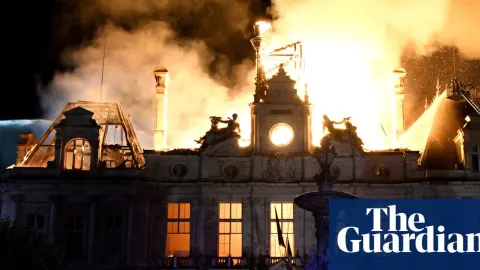
In a move that combines sartorial symbolism with emergency governance, Prime Minister Andy Burnham has signaled a "bracing for impact" approach to the UK's current climate crisis. Appearing in Derbyshire this week, Burnham’s choice of navy, slimline suit braces was noted by fashion critics and political analysts alike as a nod to both traditional authority and a "mod" sensibility. However, the aesthetic choices of the Prime Minister quickly took a backseat to the escalating environmental emergency. Britain is currently described as a "tinderbox," with extreme heat and drought conditions leading to a series of devastating wildfires across the country.
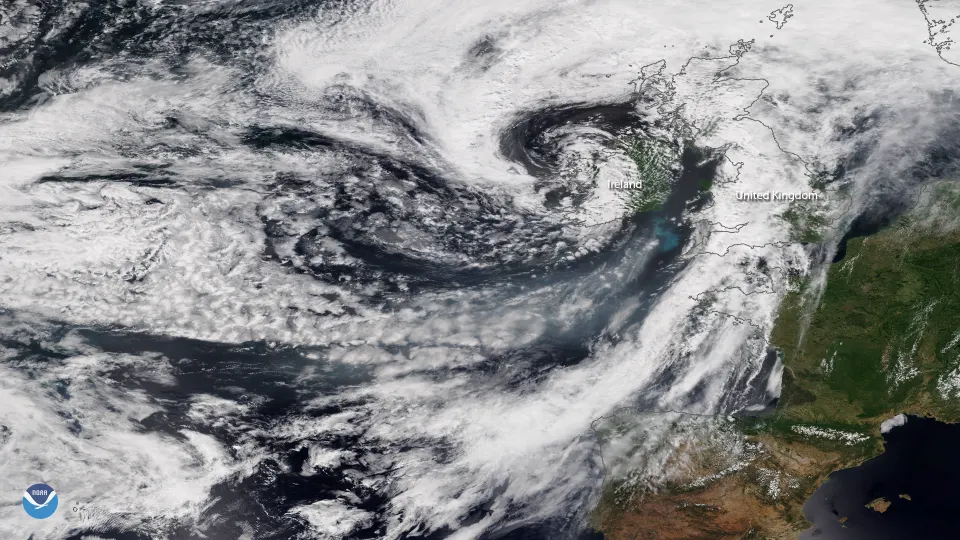
To combat the risk, Downing Street has issued a temporary nationwide ban on the sale of disposable barbecues, a common culprit in accidental fires. Burnham has also taken the extraordinary step of deploying the military to assist firefighters in Stourbridge and other parts of the West Midlands, where multiple homes have already been lost to the flames. For the Prime Minister, this is a critical test of leadership; the "belt and braces" look may suggest a man who is prepared for anything, but as the military moves into suburban Britain, the public is questioning whether the government's infrastructure can truly withstand the accelerating pace of climate-driven disasters.
Iran’s Economy: The Hollowed-Out Dining Table
While the UK battles physical fires, Iran is struggling to extinguish a metaphorical one: an economy that is effectively buckling under the weight of prolonged regional tension and systemic mismanagement. New reports from the ground in Tehran paint a grim picture of daily life, where shopping lists are being ruthlessly edited. Essential items like fruit and dairy are now being classified as luxuries by many families. This "hollowing out" of the Iranian household budget is a direct result of soaring inflation and a currency that, while showing slight daily fluctuations, remains at levels that paralyze domestic purchasing power.
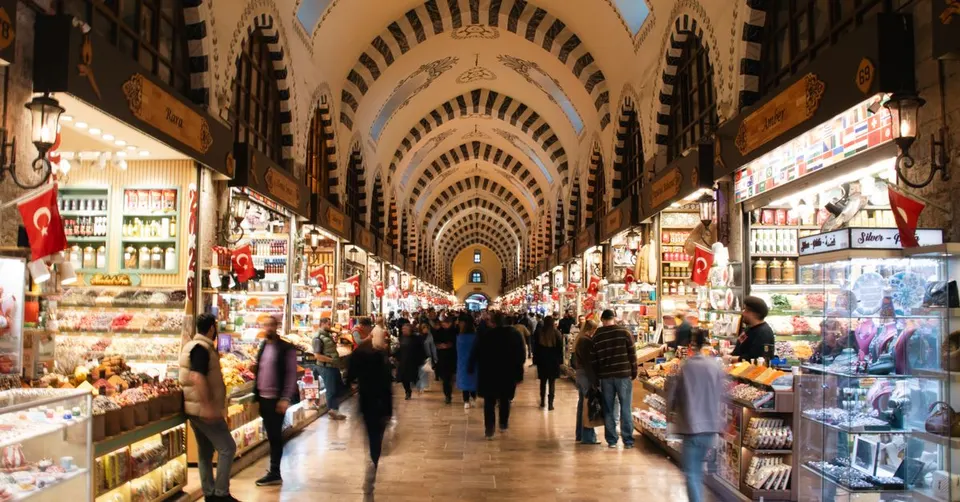
The reality for millions of Iranians is that the "resistance economy" touted by officials has translated into a survival economy for the public. As the USD/IRR rate sits at 187,400 (a slight -0.1% decrease from 187,600), the relative stability of the number on the screen does little to alleviate the pain of rising prices on the shelf. The government continues to prioritize regional influence and military readiness, but the cost is being extracted directly from the dinner tables of its citizens. Without significant structural reform or a de-escalation of the geopolitical standoff, the social fabric of the country remains under immense strain.
Institutional Accumulation Meets Market Hesitancy
In the world of digital assets, the narrative remains a tug-of-war between institutional confidence and short-term price action. Major financial powerhouses like Morgan Stanley and JPMorgan have reported significant increases in their Bitcoin and Ether ETF holdings for the second quarter, with Morgan Stanley’s IBIT holdings rising by 23%. This suggests that the world’s largest wealth managers are not just dipping their toes into crypto but are actively building sizable positions for the long term. Even Israel's largest bank, Bank Leumi, is preparing to offer crypto trading to its customers by early 2027, further cementing the industry's move toward the mainstream.
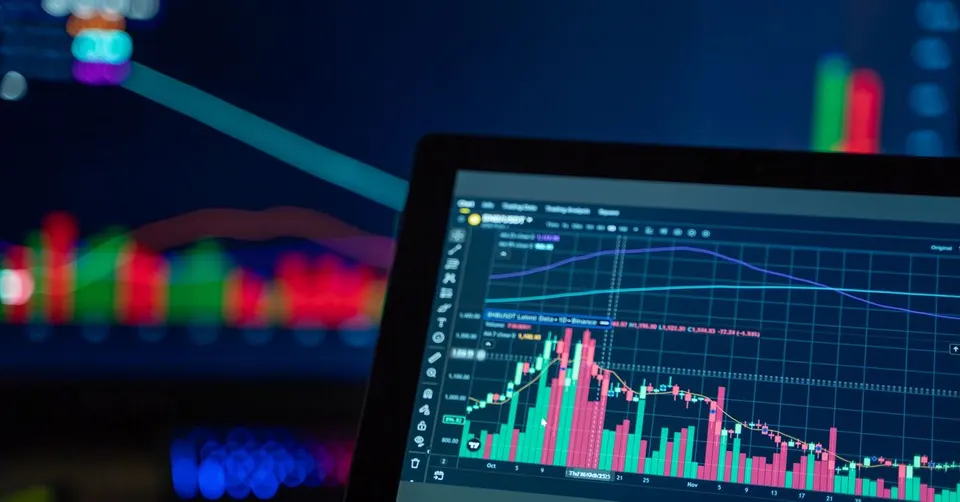
However, these "big money" moves have not yet translated into a sustained price rally. Bitcoin recently dipped below the $63,000 mark (currently trading at $62,615) as regulatory delays and broader macroeconomic uncertainty offset the cheer from institutional adoption. This divergence creates a confusing environment for retail investors. While the giants are buying the dip, the lack of immediate upward momentum suggests that the market is waiting for a clearer signal—perhaps a shift in Federal Reserve policy or a resolution to ongoing regulatory hurdles in the US. For now, the crypto market remains in a consolidation phase, testing the patience of those looking for a quick breakout.
Global Shifts: Bridges in Africa and Pardons in Chad
Beyond the major headlines, significant developments are reshaping the geopolitical landscape in Africa. The World Bank has announced a $60 million project to fund a 645-meter bridge linking Bangui, the capital of the Central African Republic, with Zongo in the Democratic Republic of Congo. This infrastructure project is more than just a feat of engineering; it is a vital trade artery that could revitalize the regional economy by facilitating the movement of goods and people across the Congo River. In a world often focused on conflict, such large-scale development projects offer a rare glimpse of constructive international cooperation.
Meanwhile, in Chad, President Mahamat Idriss Déby has pardoned his main political rival, Succès Masra, along with eight other opposition leaders. Masra had been serving a 20-year sentence in what many international observers called a politically motivated trial. This move toward reconciliation, whether genuine or a tactical play to stabilize his administration, marks a significant shift in Chad’s internal politics. For global markets, stability in these regions is key to maintaining supply chains and energy security, especially as Africa’s role in the global economy continues to expand.
Frequently Asked Questions
Why is the UK military being deployed for wildfires?
How is the regional tension specifically affecting Iranian households?
Are institutional investors still buying Bitcoin despite the price dip below $63k?
Understanding Currency Depreciation and Its Economic Impact
Currency depreciation is a fundamental economic phenomenon where a country's currency loses value relative to other currencies. This loss of value is reflected in the exchange rate, meaning it takes more units of the depreciating currency to buy one unit of a foreign currency. For instance, if the US Dollar strengthens against the Iranian Rial, the Rial is said to have depreciated. This makes foreign goods, services, and assets more expensive for consumers and businesses within the country.
The primary drivers of currency depreciation often include high inflation, which erodes the domestic purchasing power of a currency, making it less attractive internationally. Other significant factors contributing to depreciation can be persistent trade deficits (where a country imports more than it exports), capital flight (investors moving money out of the country), lack of investor confidence due to political instability or economic uncertainty, and government policies or external shocks like sanctions. When a central bank increases the money supply without a corresponding increase in economic output, it can also lead to inflationary pressures that weaken the currency.
The consequences of currency depreciation are far-reaching. For citizens, it directly translates to a reduction in their purchasing power, especially for imported goods, which become more expensive. This can lead to a higher cost of living and a decline in real wages. For businesses, while exports might become cheaper and more competitive in international markets, the cost of importing raw materials, machinery, or finished goods increases, potentially squeezing profit margins or leading to higher consumer prices.
In severe cases, extreme currency depreciation can trigger a spiral of economic instability, leading to hyperinflation, a loss of confidence in the national economy, and a significant outflow of capital. For economies like Iran, which are often subject to international sanctions and internal economic pressures, currency depreciation can be particularly acute. Such conditions exacerbate inflation, making daily life incredibly challenging for citizens as their savings rapidly diminish in value and the cost of essential goods skyrockets, pushing the economy to a breaking point.
Topics
Related Articles