
OIC Sounds Alarm Over West Bank Escalation as Apple Proposes New 15% External Payment Fee
هشدار تند سازمان همکاری اسلامی درباره کرانه باختری؛ پیشنهاد جنجالی کارمزد ۱۵ درصدی اپل برای پرداختهای خارجی
The OIC warns of rising crimes in the West Bank as regional tensions pressure market sentiment. Meanwhile, Apple proposes a new 15% fee for external app purchases, and Italian police recover $10 million in stolen masterpieces.
At time of publishing
USD
187,300
Toman
Gold 18K
19.02M
Toman / gram
Bitcoin
$62,691
US Dollar
Tether
187,279
Toman
Regional Tensions Flare as OIC Warns of West Bank Crimes
The Organization of Islamic Cooperation (OIC) has issued a stern warning regarding the escalation of aggression in the West Bank, particularly focusing on the village of Qasra in Nablus. According to reports from IRNA, the OIC described the actions of settlers as a clear violation of international law, signaling a potential expansion of the regional conflict beyond the current borders of Gaza. This diplomatic alarm comes at a time when the Middle East remains a powder keg, with international observers fearing that localized violence in Nablus could catalyze a broader confrontation involving regional powers.
For the Iranian reader and the domestic market, such geopolitical shifts are never isolated events. The Tehran bazaar and the currency markets often react to these headlines before official economic data even hits the screens. While the Toman showed slight resilience today, with the USD selling price moving from 187,600 to 187,300 (-0.2%), the underlying "war premium" remains a constant factor in pricing. Traders are closely watching the OIC’s rhetoric, as it often precedes more formal diplomatic or economic shifts that could impact trade routes and regional stability.

Apple’s 15% Fee Proposal: The Battle for the Walled Garden
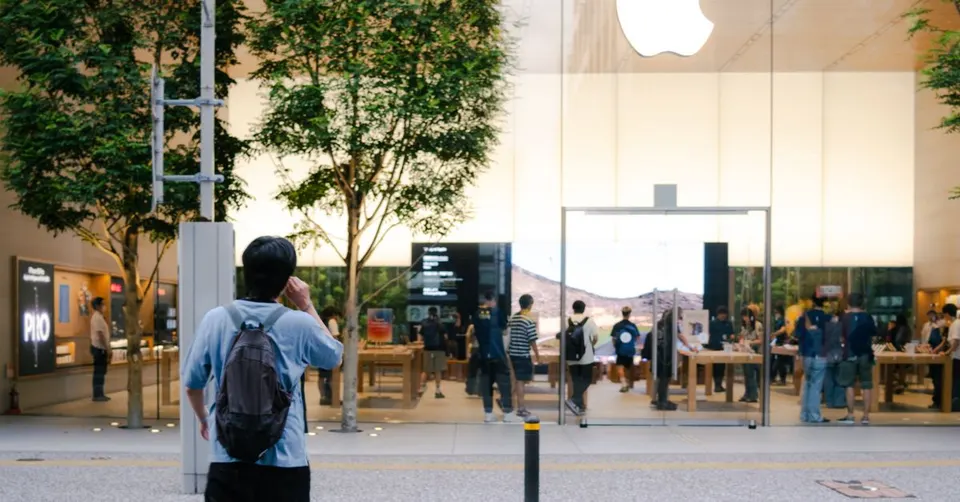
In a move that has sent shockwaves through the global tech industry, Apple has proposed a new commission structure to a federal judge, seeking a 15% cut of purchases made through external links in iOS apps. This proposal is a direct response to legal pressures demanding that Apple allow developers to bypass the App Store’s internal payment system. By setting the fee at 15%, Apple is attempting to find a middle ground that satisfies regulatory requirements while ensuring it continues to monetize the massive user base and infrastructure it has built over the last two decades.
This development is more than just a corporate legal battle; it represents a fundamental shift in how the digital economy operates. If the court accepts this 15% "external" fee, it could set a global precedent for other tech giants like Google. For developers and startups, including those in emerging markets, this fee remains a significant barrier to entry. Critics argue that even at a reduced rate, Apple is still exerting control over transactions that occur outside its proprietary software, potentially stifling innovation and maintaining a monopoly over the mobile ecosystem.
Stolen Masterpieces Recovered Amidst Global Social Unrest
While geopolitical and technological battles dominate the headlines, a significant victory for cultural heritage was recorded in Italy. Military police announced the recovery of stolen works by Cézanne, Renoir, and Matisse, collectively valued at over $10 million. The pieces were found five months after a daring nighttime heist near Parma. This recovery highlights the sophisticated nature of international art crime and the persistent efforts of specialized law enforcement units to protect historical assets that are often targeted during times of economic volatility.
In contrast to this preservation of heritage, the United States capital saw an act of modern protest and vandalism. A woman was arrested in Washington DC after the World War II memorial on the National Mall was defaced with spray-paint reading “Clean hands Dirty $.” This incident, occurring as the US attorney for the District of Columbia announced federal charges, underscores the deepening social fractures and the use of historic landmarks as canvases for political grievances. Whether it is the recovery of old masters or the defacing of monuments, these events reflect a world struggling to balance its past with a turbulent and often angry present.

Market Consolidation: Toman and Gold Ease Slightly
The Iranian market saw a rare moment of relative calm this Friday. The USD sell rate dipped slightly from 187,600 to 187,300 Toman, marking a minor 0.2% decrease. This cooling off period is also reflected in the gold market, where 18k gold per gram moved from 19,075,211 to 19,019,807 Toman, a 0.3% decline. These movements suggest that despite the heavy geopolitical rhetoric from the OIC and regional tensions, the local market is currently in a state of consolidation, perhaps waiting for more definitive signals from international oil markets or upcoming diplomatic meetings.
However, the stability of the Emami coin, which remained unchanged at 189,500,000 Toman, indicates that long-term investors are still holding onto their positions as a hedge against future volatility. The global price of gold remains exceptionally high at $4,386.70 per ounce, providing a strong floor for domestic prices. As the weekend concludes, market participants will be looking toward the Sunday opening to see if the slight strengthening of the Toman can be sustained or if the regional headlines will once again push the currency toward new lows.
Frequently Asked Questions
Why is the OIC warning about the West Bank significant for markets?
What does Apple's 15% fee proposal mean for app developers?
Why did the USD/IRR rate drop despite regional tensions?
Understanding Digital Platform Economics and App Store Fees
Digital platforms, like Apple's App Store, have become indispensable intermediaries in our modern economy, connecting millions of users with countless developers and services. At their core, these platforms operate on a "two-sided market" model, meaning they serve two distinct groups – app creators and app consumers – facilitating transactions between them. For developers, these platforms offer unparalleled reach and a ready-made distribution channel, while for users, they provide a curated, secure, and convenient marketplace for digital content.
A key aspect of this economic model is the implementation of fees, often referred to as commissions or tolls. When Apple proposes a new 15% external payment fee, it refers to the percentage of revenue it collects from transactions made through its platform. These fees are justified by platforms as necessary to cover the immense costs of developing and maintaining the underlying infrastructure, ensuring security, hosting content, facilitating payment processing, and providing marketing and discovery tools. They argue these investments create a valuable ecosystem that benefits all participants.
However, the substantial market power wielded by dominant digital platforms has led to significant debate and regulatory scrutiny. With billions of users and a near-monopoly or duopoly in app distribution, platforms like Apple and Google act as "gatekeepers" to vast digital economies. This position allows them to set terms and conditions, including commission rates, that developers often have little choice but to accept, given the lack of viable alternative distribution channels. Critics argue that these high fees stifle competition, reduce developer profits, and can ultimately lead to higher prices for consumers or less innovation.
Antitrust regulators globally are increasingly examining these practices, investigating whether such fees constitute anti-competitive behavior. The ongoing legal battles and regulatory actions, such as those seen in the European Union and the United States, highlight a global effort to balance the benefits of platform innovation with the need to ensure fair competition and protect smaller developers. Understanding these dynamics is crucial for comprehending the economic forces shaping the digital world and the challenges of regulating powerful tech giants.
Topics
Related Articles