Trump Brushes Off USS Lincoln Fatigue Amid Iran Mission; Bitcoin Hits 'Bear Flag' as Toman Strengthens
بیتفاوتی ترامپ به فرسودگی ناو لینکلن در مأموریت ایران؛ بیتکوین در تله تکنیکال و تقویت جزئی تومان
President Trump has dismissed concerns over the record-breaking 250-day deployment of the USS Abraham Lincoln near Iran, calling the fatigue 'not nearly enough' for the mission. Meanwhile, Bitcoin faces technical pressure from a bear flag pattern while the Iranian Toman saw a slight 0.5% gain in the local market.
At time of publishing
USD
186,700
Toman
Gold 18K
19.13M
Toman / gram
Bitcoin
$62,866
US Dollar
Tether
186,901
Toman
Trump Doubles Down on Naval Presence Despite Crew Fatigue
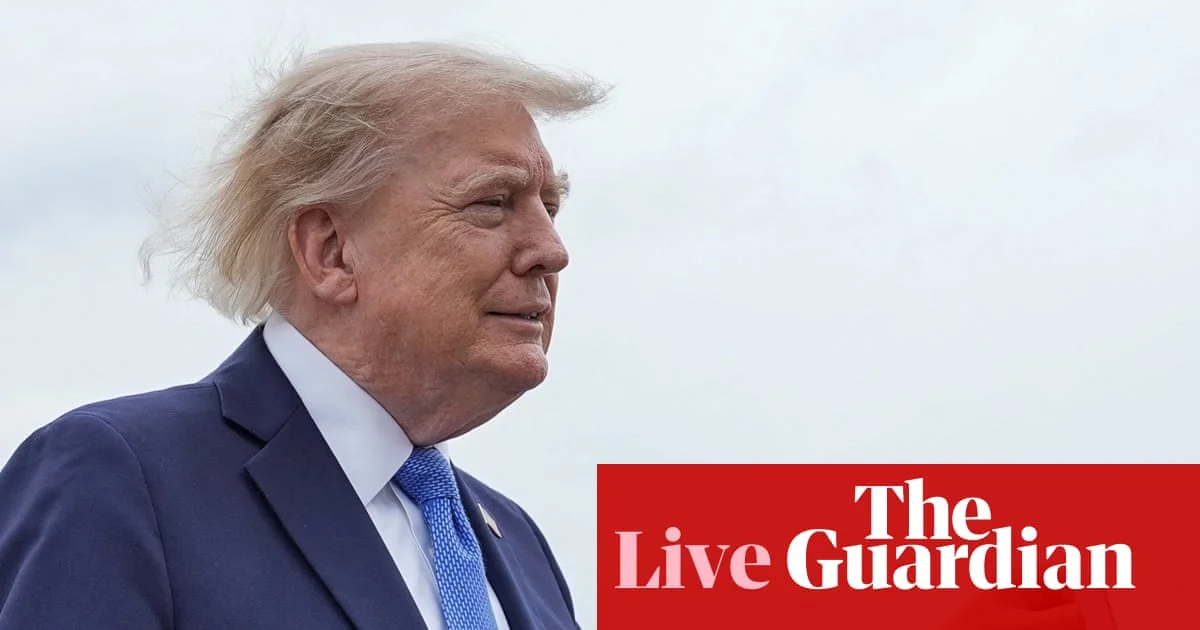
President Donald Trump has sparked intense debate within military circles after dismissively responding to reports regarding the record-breaking deployment of the USS Abraham Lincoln. The aircraft carrier has now spent over 250 consecutive days at sea, primarily stationed in the Middle East to deter Iranian regional influence. While families and naval analysts have raised alarms about the mental health and operational fatigue of the crew, Trump stated during a live briefing that the current duration is "not nearly enough" to ensure American interests are protected. He confirmed that while the USS George Washington is slated to eventually replace the Lincoln, the administration maintains a hardline stance that operational readiness must take precedence over rotation schedules.
This rhetoric comes at a sensitive time for the Iranian economy, as the Toman has been highly sensitive to the presence of U.S. carrier strike groups in the Persian Gulf. For the average reader in Tehran, this signal of an extended or even permanent high-pressure naval presence suggests that the geopolitical risk premium will remain a fixture of the currency market. Trump’s simultaneous request to the Supreme Court for the construction of a secure ballroom at the White House—justified as a national security necessity—further illustrates an administration that is prioritizing symbolic and structural strength over traditional diplomatic or logistical norms. The market interprets this as a sign that the "maximum pressure" era is not only back but potentially more aggressive than its previous iteration.

, Public domain]
Bitcoin Struggles with Bearish Technicals Amid Toman Recovery
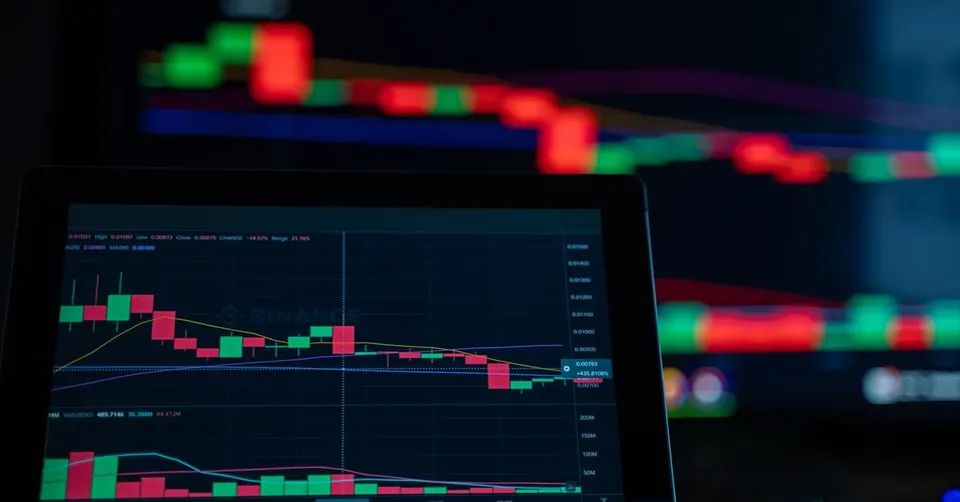
In the financial markets, Bitcoin has slipped below the critical $62,840 level, triggering a technical formation known as a "Bear Flag." Analysts warn that this pattern often precedes a sharp downward move if support levels are not reclaimed quickly. Currently trading at $62,866, the leading cryptocurrency is struggling to find momentum as institutional interest appears to be cooling slightly, evidenced by the $2 million drop in Dartmouth’s endowment exposure to crypto ETFs. This technical weakness in the global crypto market provides a stark contrast to the local Iranian currency market, where the Toman showed unexpected resilience today.
In the Tehran free market, the USD moved from 187,600 to 186,700 Toman, marking a 0.5% decrease in the dollar's value. This minor strengthening of the local currency occurs despite the heightened naval tensions mentioned above, suggesting that the market may have already priced in the "permanent" nature of the U.S. presence. Gold, however, continues its slow climb; the 18k gram rose from 19,075,211 to 19,130,615 Toman (+0.3%). For investors, the divergence between a weakening Bitcoin and a stabilizing Toman suggests a flight toward traditional assets like gold or local currency liquidity as global volatility increases.
Tech Giants Pivot: Samsung’s Galaxy H1 and Sandisk’s Market Rally
While geopolitics and crypto dominate the headlines, the technology sector is seeing significant movement that could reshape consumer electronics. Leaks from Samsung’s Galaxy Wearable app have revealed the development of a new pair of high-end over-ear headphones, tentatively named the "Galaxy H1." This move is widely seen as Samsung’s direct challenge to Apple’s AirPods Max, aiming to capture the luxury audio market. Although a launch is not expected until 2027, the inclusion of code strings in current apps suggests that the hardware design is reaching maturity. This expansion into premium wearables highlights a broader trend where tech giants are seeking higher margins through lifestyle products rather than just smartphone hardware.
Simultaneously, Sandisk has become the star of the stock market this week, with its shares rebounding nearly 35%. Analysts have pointed to the company’s new financial targets and a recovery in memory chip demand as the primary catalysts. For those following the tech sector from Iran, these developments are more than just corporate news; they signal where the next wave of global investment is flowing. As Sandisk rallies and Samsung pivots, the broader tech market is showing that even in a high-interest-rate environment, innovation and brand prestige continue to drive capital. This rally in semiconductor-adjacent stocks often serves as a leading indicator for broader market health, even as speculative assets like Bitcoin face short-term hurdles.

Infrastructure under Pressure: UK Heatwave and Rail Chaos
Beyond the financial and military spheres, the United Kingdom is currently grappling with a severe heatwave that has brought its national infrastructure to a breaking point. National Rail has reported "exceptional challenges" after two separate train derailments occurred within a 24-hour window. The heat has caused rail tracks to expand and buckle, leading to dangerous conditions near Essex and East Sussex. These incidents have not only caused travel chaos for thousands of commuters but have also highlighted the vulnerability of aging Western infrastructure to extreme climate events. The government has also implemented a temporary ban on disposable BBQs to mitigate the risk of wildfires in the parched countryside.
For global observers, the situation in the UK serves as a reminder of how non-financial risks—such as climate and infrastructure failure—can lead to sudden economic disruptions. While the immediate impact is local, the cumulative effect of such disruptions across major economies contributes to the general sense of global instability. This environment of unpredictability is exactly what keeps gold prices elevated and maintains the high demand for safe-haven assets. As the UK battles fire and derailments, the interconnectedness of logistics and market sentiment becomes increasingly clear, reinforcing the need for diversified investment strategies in an era of climate and geopolitical volatility.
Frequently Asked Questions
Why is the USS Abraham Lincoln's 250-day deployment significant?
What does a 'Bear Flag' mean for Bitcoin's price?
Why did the Toman strengthen despite rising regional tensions?
How is the UK heatwave affecting global markets?
Understanding the Bear Flag Chart Pattern in Technical Analysis
The bear flag is a short‑term continuation pattern that appears after a sharp decline in price, suggesting that the downtrend may resume once the brief consolidation ends. Visually, it looks like a small rectangular “flag” sloping slightly upward or sideways, attached to a steep “pole” that represents the initial drop. Traders watch for a break below the lower boundary of the flag to confirm the pattern and often enter a short position, targeting a move roughly equal to the length of the pole.
The formation typically unfolds in three stages. First, a rapid price fall creates the pole; this reflects strong selling pressure, often triggered by news, earnings misses, or macro‑economic shocks. Second, the market pauses, and price moves within a tight range, forming the flag. Volume usually contracts during this phase, indicating that the initial panic is subsiding but not yet reversed. Third, when sellers regain momentum, the price breaks down through the flag’s support line, and volume spikes, confirming the continuation.
Why does the bear flag matter for assets like Bitcoin? Cryptocurrencies are notoriously volatile, and sharp corrections are common after hype‑driven rallies. When a bear flag appears on a Bitcoin chart, it can signal that the recent rally may be over‑extended and that a further decline is likely. However, the pattern is not foolproof; false breakouts occur, especially in markets driven by sentiment rather than fundamentals. Combining the bear flag with other indicators—such as moving‑average crossovers, Relative Strength Index (RSI) divergence, or on‑chain metrics—helps filter out noise and improve trade reliability.
Practically, a trader might set a stop‑loss just above the flag’s upper trend line to limit risk if the price unexpectedly reverses. The profit target can be calculated by measuring the pole’s length and projecting it downward from the breakout point. This systematic approach turns a visual pattern into a disciplined trading plan, which is essential in high‑risk environments like crypto or emerging‑market currencies.
In summary, the bear flag offers a concise visual cue that a brief consolidation may precede a continuation of a downtrend. Recognizing its structure, confirming the breakout with volume, and integrating it with broader analysis can give traders a tactical edge, whether they are watching Bitcoin, a stock like Samsung Galaxy H1, or any asset experiencing rapid price swings.
Topics
Related Articles