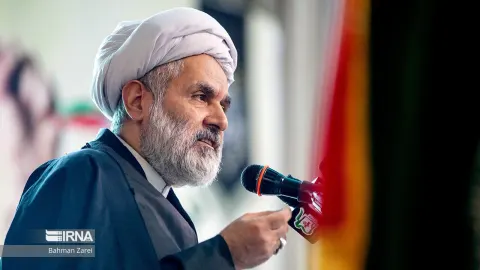
Indonesia Struck by 7.7-Magnitude Quake as Trump Escalates Claims Over Strait of Hormuz
زلزله مرگبار ۷.۷ ریشتری در اندونزی و ادعاهای جنجالی ترامپ درباره حاکمیت بر تنگه هرمز
A powerful 7.7-magnitude earthquake has devastated Indonesia's Flores island, leaving at least 20 dead and thousands displaced. Simultaneously, Donald Trump has sparked geopolitical alarm by suggesting the US will declare the Strait of Hormuz a US territory while dismissing the mental health toll on Navy sailors.
At time of publishing
USD
187,000
Toman
Gold 18K
19.19M
Toman / gram
Bitcoin
$63,000
US Dollar
Tether
187,037
Toman
Deadly 7.7-Magnitude Earthquake Rocks Indonesia
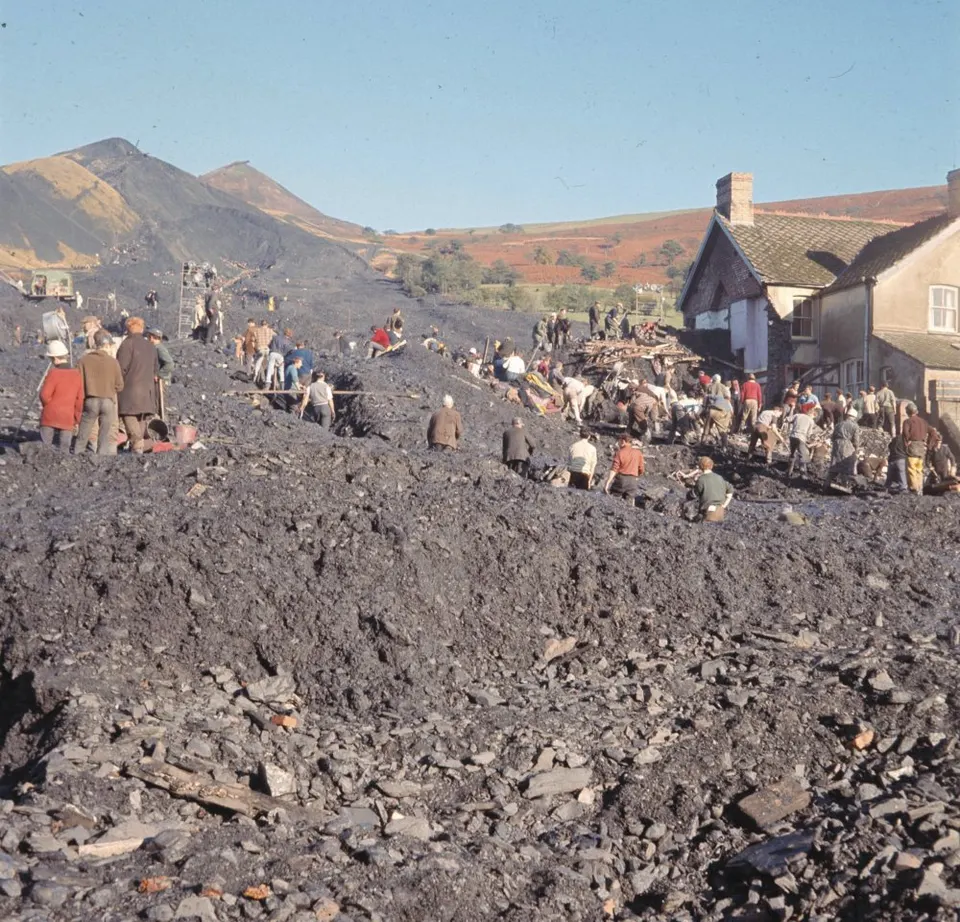
A powerful 7.7-magnitude earthquake struck off Indonesia’s eastern Flores island early Saturday, causing widespread destruction and leaving at least 20 people dead. The tremor, one of the strongest the region has experienced in decades, triggered mass evacuations as residents fled to higher ground amid fears of a tsunami. Emergency crews are currently racing to reach isolated communities where landslides have blocked critical road networks, and reports suggest dozens more may be trapped beneath the rubble of collapsed buildings.
The disaster comes at a time when Southeast Asian infrastructure is already under strain. While the immediate focus remains on search and rescue operations, the economic impact on Indonesia’s regional trade and tourism is expected to be significant. Geologically, this event highlights the persistent vulnerability of the 'Ring of Fire' region, prompting renewed calls for better early-warning systems and more resilient urban planning in high-risk zones. For global markets, natural disasters of this scale often lead to short-term volatility in regional commodities, though the primary concern remains the humanitarian crisis unfolding on the ground.
Trump Escalates Hormuz Rhetoric Amid Navy Deployment Row
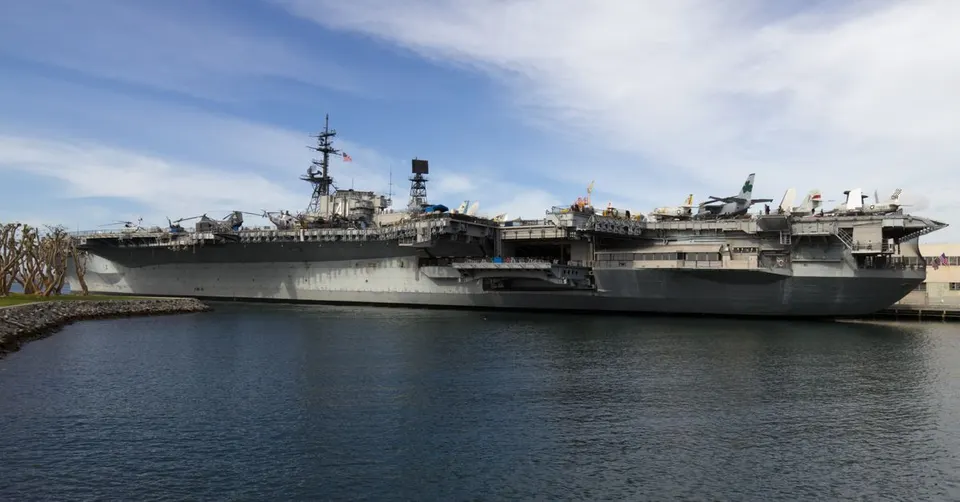
U.S. President Donald Trump has once again sent shockwaves through the Middle East by dismissing concerns over the record-long deployment of the USS Abraham Lincoln. The aircraft carrier has been stationed in the region for nearly nine months as part of ongoing operations against Iran. Despite reports of sailors struggling with severe mental health issues due to the extended tour, Trump stated on Friday that the deployment was "not nearly long enough." This hardline stance signals a potential shift toward even more aggressive maritime positioning, further straining an already exhausted naval force.
Adding fuel to the fire, Trump has reportedly claimed he will soon declare the Strait of Hormuz a "U.S. territory," a move that would defy international maritime law and the 1982 UN Convention on the Law of the Sea. In response, Iran’s Deputy Foreign Minister Kazem Gharibabadi rejected these claims, asserting that the strategic waterway remains under Iranian command and authority. This rhetorical escalation has immediate consequences for global energy security; with Somali piracy already surging due to ships avoiding the Hormuz blockade, the threat of a direct confrontation between U.S. and Iranian forces is keeping oil markets on edge.
Market Impact: Toman Weakens as Geopolitical Risks Mount
The combined weight of regional instability and Trump’s aggressive rhetoric has directly impacted the Iranian markets this morning. The USD rose from 186,700 to 187,000 Toman (+0.2%), reflecting a cautious approach by traders who fear further escalations in the Persian Gulf. Gold markets followed suit, with 18k gold per gram moving from 19,130,615 to 19,188,328 Toman (+0.3%). The most significant movement was seen in the Emami coin, which jumped from 189,500,000 to 191,000,000 Toman (+0.8%), as local investors seek safe-haven assets in the face of potential conflict.
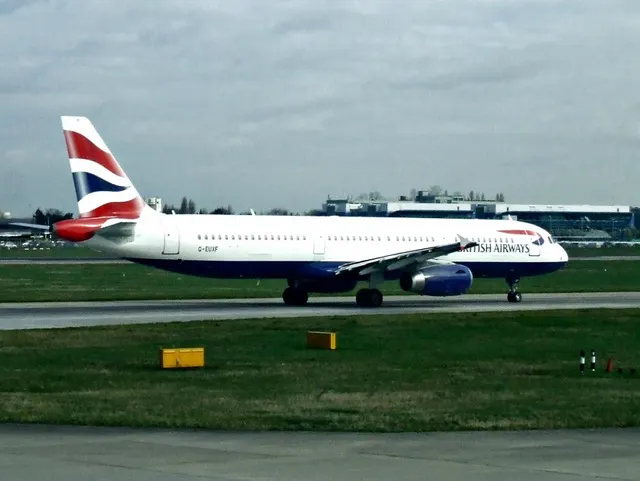
Beyond the currency markets, global logistics are facing a "perfect storm." While the Strait of Hormuz remains a flashpoint, major transport hubs like Heathrow Airport are warning of significant disruptions following localized flooding in central terminal areas. These logistical bottlenecks, combined with the diversion of shipping routes around Africa to avoid the Gulf of Aden, are driving up insurance premiums and freight costs. For the average consumer, this means the inflationary pressure on imported goods is unlikely to subside in the near term, as geopolitical and environmental factors converge to squeeze global supply chains.
Academic Scandal and Social Tensions in the UK
In a story that has gripped the British public, former Cambridge Professor Jason Arday was found dead in London following a high-profile plagiarism row. Arday, once celebrated as the youngest Black professor at Cambridge, had been at the center of an intense academic investigation. His family expressed profound shock at the loss, while the academic community remains divided over the pressures placed on high-achieving minority scholars. The incident has sparked a broader debate about mental health in academia and the ethics of public shaming in the digital age.
Meanwhile, local governance in London is facing its own crisis as the Westminster council threatens to close a long-standing soup kitchen at Charing Cross. The council claims the site is unsafe for the vulnerable populations it serves, but charity organizers argue that the local government is simply making it impossible for them to operate. This friction highlights a growing divide in urban policy between the need for public order and the humanitarian requirement to support the homeless, a tension that is mirrored in many major cities across Europe as economic inequality continues to rise.
Frequently Asked Questions
How does the Indonesia earthquake affect global commodity prices?
Can Donald Trump legally declare the Strait of Hormuz a US territory?
Why is the Emami coin rising faster than the US Dollar today?
What is the status of the USS Abraham Lincoln deployment?
Why the Strait of Hormuz Matters: A Global Oil Chokepoint
The Strait of Hormuz is a narrow waterway that connects the Persian Gulf with the open ocean, measuring only about 21 nautical miles (39 km) at its narrowest point. Despite its modest width, it serves as the world’s most critical oil transit corridor: roughly 20‑25% of global petroleum liquids—about 21 million barrels per day—pass through the strait each day. This concentration makes the flow of energy, and consequently the price of oil, highly sensitive to any disruption, whether caused by geopolitical tension, naval incidents, or natural events.
Historically, the strait’s strategic importance has made it a flashpoint for regional rivalries, especially between Iran and its Gulf neighbours, as well as external powers that rely on stable oil supplies. Iran, which borders the strait on the north, has repeatedly threatened to close or mine the passage in response to sanctions or perceived threats. Such rhetoric can trigger immediate spikes in oil prices because traders price in the risk of supply interruption. The United States, through its Fifth Fleet based in Bahrain, routinely conducts freedom‑of‑navigation operations to reassure commercial shipping and deter unilateral closures.
The economic ramifications extend far beyond the oil market. Countries that import large volumes of oil—such as China, India, Japan, and many European nations—face higher import bills and balance‑of‑payments pressures when the strait is threatened. Moreover, the strait’s significance influences global financial markets, insurance premiums for maritime transport, and even the valuation of currencies of oil‑exporting nations. Understanding the strait’s role helps explain why headlines about diplomatic talks, military deployments, or even a single ship’s delay can ripple through world economies.
In the context of recent news, heightened rhetoric from former U.S. President Donald Trump about Iran’s activities in the Hormuz region adds another layer of uncertainty. While political statements do not directly alter the physical flow of oil, they can amplify market volatility and prompt pre‑emptive moves by naval forces, such as the deployment of aircraft carriers like the USS Abraham Lincoln. Keeping an eye on the strait’s status is therefore essential for anyone tracking energy markets, geopolitics, or global economic stability.
Topics
Related Articles