West Azarbaijan Eyes 5,000 New Jobs Amid Industrial Push as Gold Prices Climb in Tehran
توسعه صنعتی آذربایجان غربی با ۵ هزار شغل جدید؛ همزمان با صعود قیمت طلا در بازار تهران
Iran's West Azarbaijan province prepares for a major industrial shift with 47 new projects, while Tehran's gold and coin markets see a morning surge. Meanwhile, Bitcoin analysts warn of a 'bear flag' pattern that could signal further volatility for crypto holders.
At time of publishing
USD
187,000
Toman
Gold 18K
19.24M
Toman / gram
Bitcoin
$63,017
US Dollar
Tether
187,025
Toman
West Azarbaijan’s Industrial Pivot: 47 Projects and the Promise of 5,000 Jobs
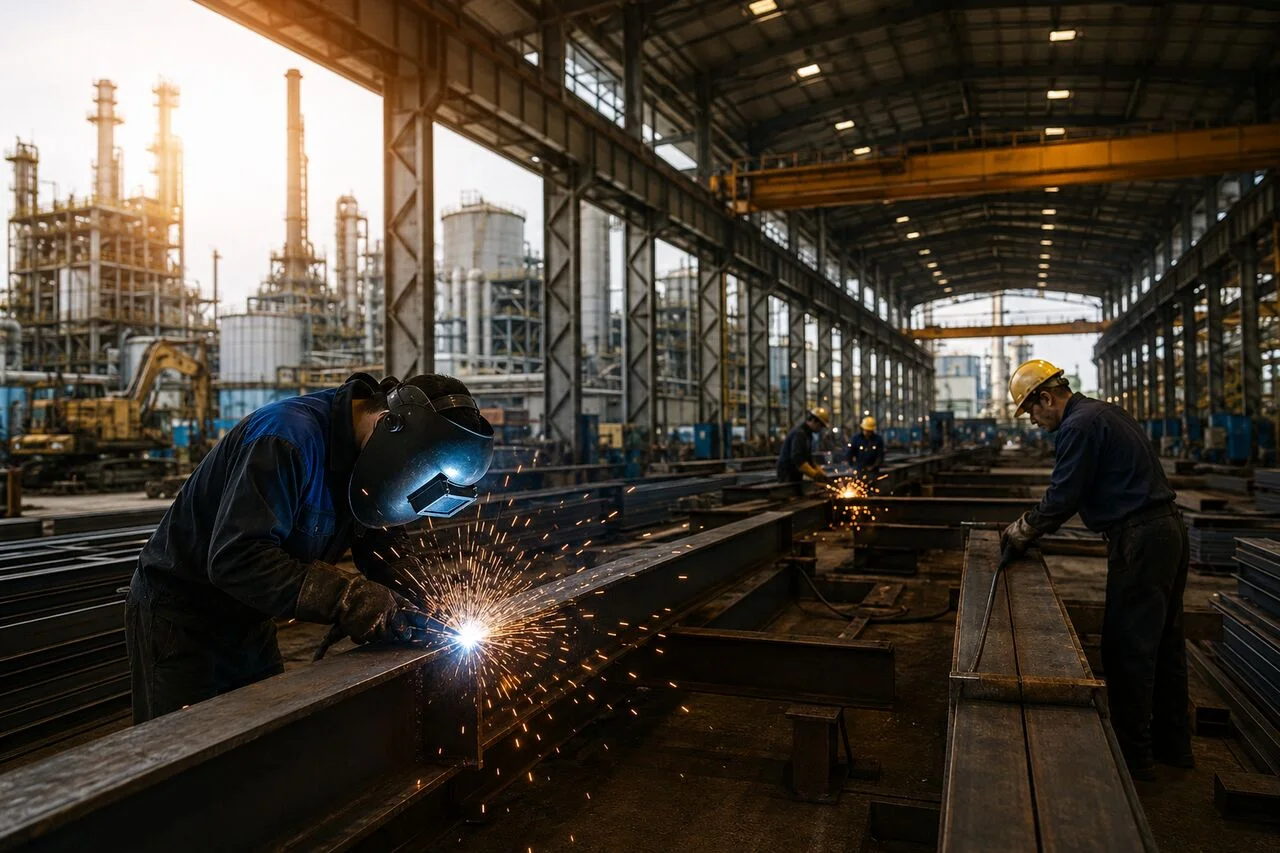
In a move framed by state officials as a major step toward regional self-sufficiency, West Azarbaijan Province is reportedly launching 47 major industrial projects. According to reports from IRNA, these initiatives are expected to create over 5,000 direct jobs in the region, centering primarily around the provincial capital of Urmia. The projects span various sectors, from manufacturing to processing plants, aiming to bolster the local economy which has long struggled with the dual pressures of international sanctions and geographical isolation from the central industrial hubs of Iran.
While the government celebrates these developments as a victory for the "resistance economy," independent analysts remain cautious about the long-term sustainability of such projects. The primary concern lies in the sourcing of raw materials and the modernization of machinery, much of which remains hampered by banking restrictions. However, for the residents of West Azarbaijan, the promise of 5,000 new positions offers a glimmer of hope in a labor market that has seen significant stagnation. The focus on border provinces like West Azarbaijan is also a strategic attempt to increase cross-border trade with Turkey and Iraq, potentially turning the region into a vital transit and industrial corridor.

Tehran Markets: Gold Coins Lead the Morning Rally
The Tehran financial markets opened this Saturday with a notable upward trend, particularly in the precious metals sector. The USD/IRR exchange rate saw a slight uptick, moving from 186,700 to 187,000 Toman, representing a 0.2% increase. While the currency remained relatively stable, the gold market showed much more aggressive movement. Gold 18k per gram rose from 19,130,615 to 19,241,423 Toman, a 0.6% gain, while the Emami coin experienced a significant jump of 1.6%, climbing from 189,500,000 to 192,500,000 Toman.
This divergence between the dollar and gold prices suggests that local investors are increasingly using gold coins as a hedge against perceived future volatility rather than just reacting to immediate currency fluctuations. The high premium on the Emami coin indicates a surge in demand for physical assets, often a sign that the market anticipates a shift in the geopolitical climate or further inflationary pressure. For the average Iranian consumer, this rise in gold prices continues to push the dream of home ownership or major savings further out of reach, as the cost of living remains tied to these volatile benchmarks.
Global Volatility: Bitcoin’s Bear Flag and the H5 Avian Threat
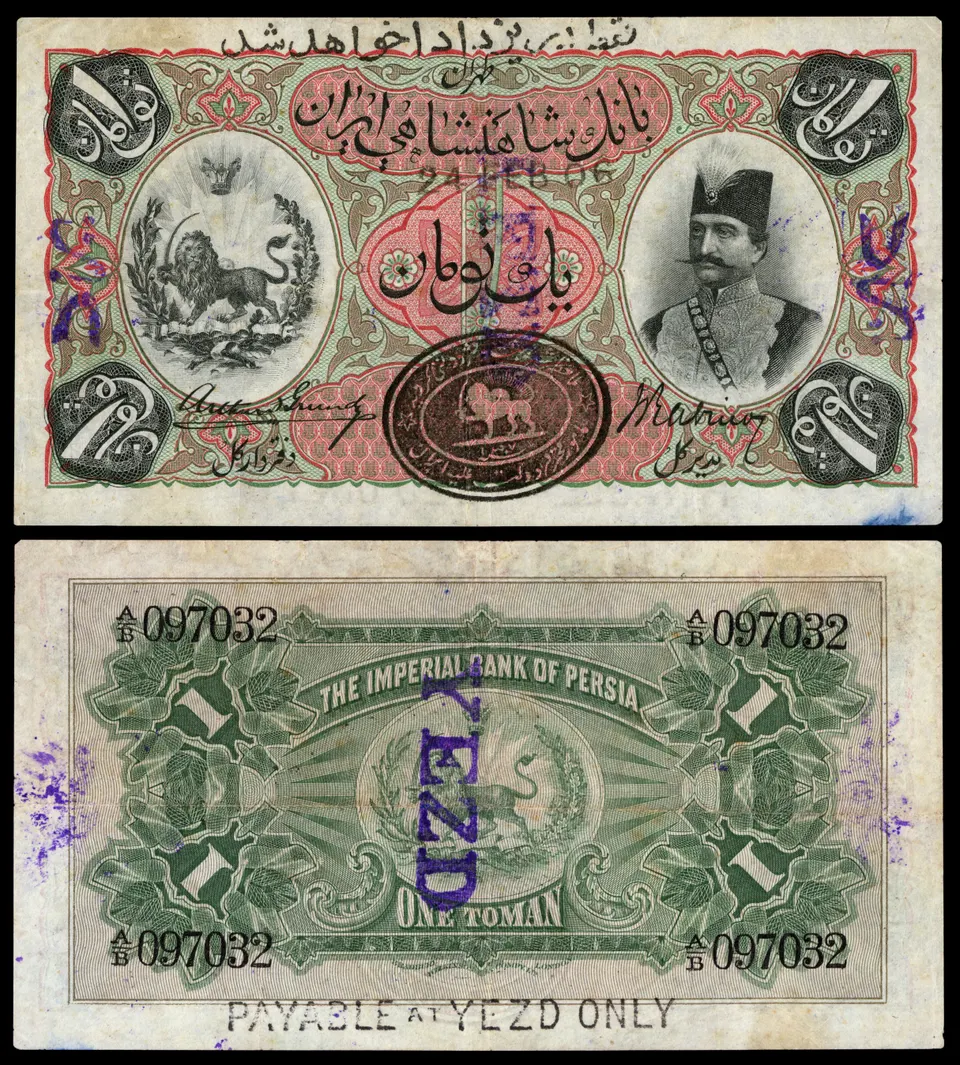
On the global stage, Bitcoin is currently trading at $63,017, but technical analysts are sounding the alarm. Recent data suggests a "bear flag" pattern is approximately 80% complete near the $62,500 level. This technical formation often precedes a sharp downward correction, putting crypto investors on high alert. For Iranian traders who have increasingly turned to digital assets to preserve their purchasing power, this potential dip represents a significant risk, especially as the global market sentiment remains fragile due to shifting interest rate expectations in the United States.
Adding to the global sense of unease is a developing story from Australia, where authorities have confirmed the first death of a little penguin from the H5 bird flu on Phillip Island. While seemingly unrelated to finance, such biological events often serve as "black swan" triggers for global supply chains and agricultural markets. The confirmation of the virus in a high-traffic tourist area has prompted an immediate race to vaccinate thousands of birds. For global markets, any escalation in avian flu cases typically leads to increased volatility in food prices and potential travel restrictions, adding another layer of complexity to an already strained global economy.
Frequently Asked Questions
Why is the Emami coin rising significantly faster than the USD today?
What kind of jobs will the 47 new projects in West Azarbaijan create?
What does the 'bear flag' at $62,500 mean for Bitcoin investors?
Gold as an Inflation Hedge and Safe Haven Asset
In times of economic uncertainty and rising prices, assets like gold often come into sharp focus. The surge in gold prices in Tehran, alongside discussions of industrial growth and currency rates, highlights a crucial economic concept: gold's role as an inflation hedge and a safe haven asset. An inflation hedge is an investment that is expected to retain or increase its value during periods of rising prices, thereby protecting an investor's purchasing power. Gold has historically served this purpose due to its inherent value, scarcity, and universal acceptance, making it a reliable store of wealth when fiat currencies lose their buying power.
The mechanism behind gold's effectiveness as an inflation hedge is multifaceted. Unlike paper money, gold cannot be printed at will by governments, limiting its supply and thus preserving its value. When a country experiences high inflation, its national currency's value erodes, making goods and services more expensive. In such scenarios, people often turn to tangible assets like gold, which tend to hold their value or even appreciate in local currency terms, effectively acting as a shield against the declining purchasing power of their cash savings. This is particularly relevant in economies facing significant currency depreciation, where the exchange rate (e.g., USD to Toman) reflects the local currency's weakening.
Beyond just inflation, gold also functions as a safe haven asset. This means it's an investment that is expected to retain or increase in value during times of market turbulence, geopolitical instability, or economic crises. When traditional investments like stocks or bonds become volatile, investors often flock to gold, perceiving it as a more secure store of value. This flight to safety drives up gold's demand and price, offering a sense of security to those seeking to preserve their wealth amidst broader economic turmoil. The Emami coin, a gold coin widely traded in Iran, serves as a prominent local example of this phenomenon, reflecting both inflation expectations and the desire for a secure investment.
Understanding gold's dual role as an inflation hedge and a safe haven is vital for anyone observing global or regional economic trends. It explains why gold prices often climb when other economic indicators suggest instability or when a national currency is under pressure. For individuals and nations alike, gold represents a historical and enduring strategy for wealth preservation against the unpredictable forces of inflation and economic uncertainty.
Topics
Related Articles