Qatar Detains Iranian Pilots Amid Regional Tensions as Toman Edges Toward 187,000
ادعای بازداشت خلبانان ایرانی در قطر؛ نوسان اندک دلار در آستانه ۱۸۷ هزار تومان
Tehran has officially called for the release of three fighter pilots allegedly captured by Qatar during early hostilities with the U.S., while the Iranian Toman faces slight downward pressure. Meanwhile, global markets are echoing the 1999 dot-com bubble as AI firms project astronomical revenues.
At time of publishing
USD
187,000
Toman
Gold 18K
19.13M
Toman / gram
Bitcoin
$63,029
US Dollar
Tether
186,573
Toman
The Pilot Crisis: Diplomatic Tension in the Persian Gulf
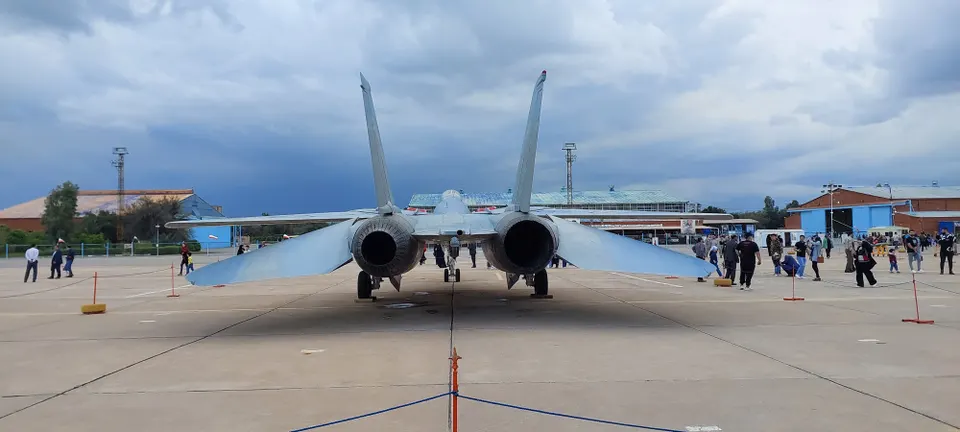
In a revelation that has injected fresh volatility into regional geopolitics, Iranian military officials have claimed that Qatar is holding three Iranian fighter pilots who were reportedly captured during the early stages of a conflict with United States forces. Brigadier General Mohammad Bagherzadeh, head of the Iranian Armed Forces General Staff’s committee for missing personnel, has formally requested the International Committee of the Red Cross (ICRC) to intervene. According to the claim, the airmen were downed on March 2 and have been in Qatari custody ever since. This development is particularly striking given Qatar's traditional role as a mediator between Tehran and the West, suggesting a significant fracture in regional diplomatic norms.
While the Qatari government has yet to issue an official statement regarding the status of these pilots, the timing of the announcement by Tehran appears designed to exert maximum diplomatic pressure. For the average observer, this story signifies a deepening of the 'shadow war' dynamics that have plagued the Persian Gulf. If Qatar is indeed holding personnel on behalf of or in coordination with U.S. interests, it marks a departure from its neutral stance, potentially complicating future hostage swaps or security negotiations. For the Iranian public, such news often translates into immediate market anxiety, as any sign of regional escalation tends to drive capital toward safe-haven assets like the US dollar.
Market Reaction: Toman Edges Lower Amid Regional Uncertainty
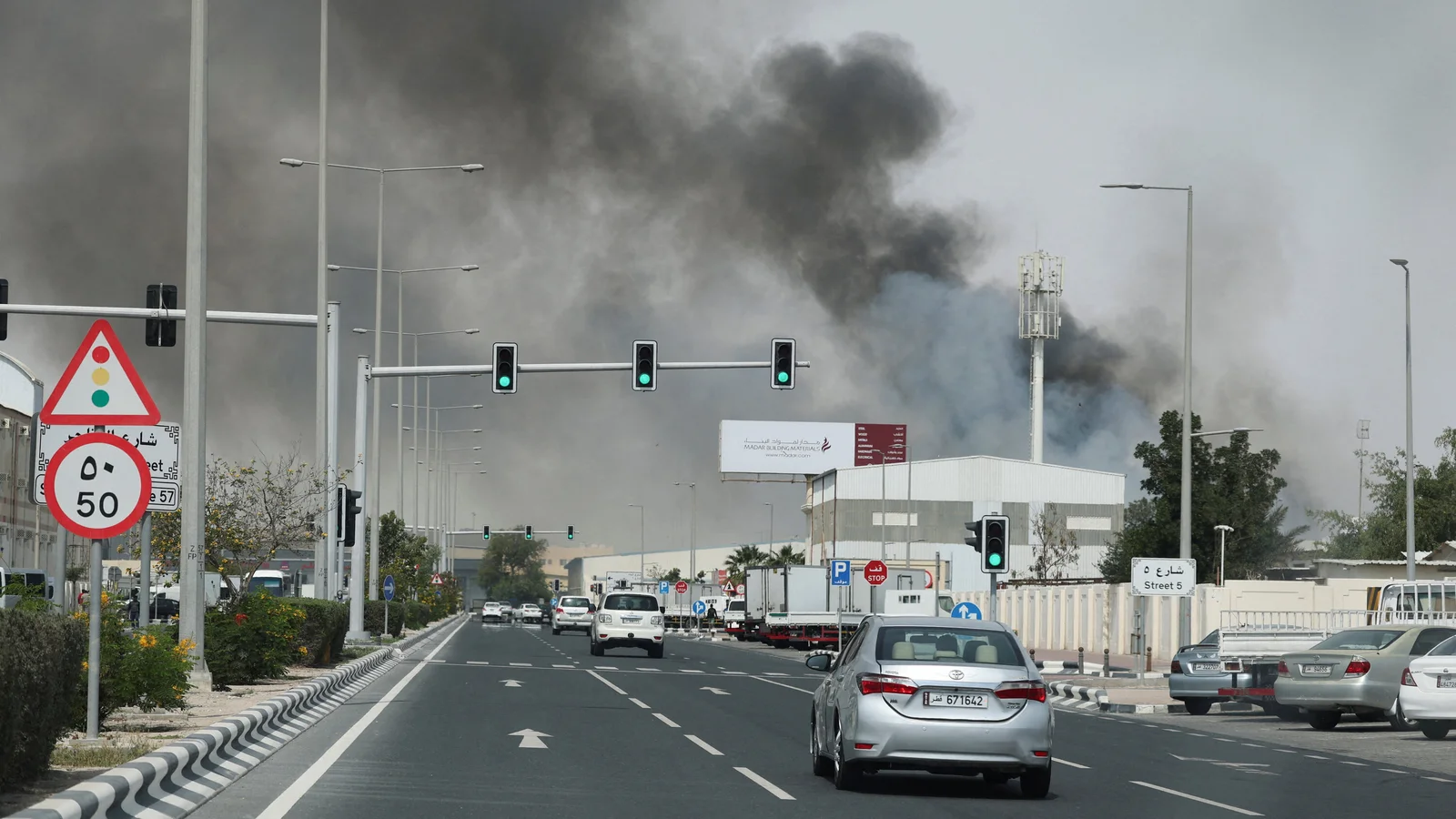
The domestic currency market in Tehran has reacted with a predictable, albeit measured, caution to the brewing diplomatic row. In the last 24 hours, the USD/IRR pair saw a move from 186,700 to 187,000 Toman, representing a 0.2% increase in the value of the greenback. This slight uptick reflects a market that is currently balancing the risks of regional conflict against the government's efforts to maintain artificial stability. Meanwhile, the gold market showed mixed signals; while 18k gold remained virtually flat at 19,125,998 Toman per gram, the Emami coin saw a slight retreat, dropping from 189,500,000 to 189,000,000 Toman (-0.3%).
Foreign Minister Seyyed Abbas Araghchi has attempted to pivot the national narrative toward economic resilience, recently urging provincial leaders to bypass sanctions by deepening ties with neighbors like Afghanistan, Turkmenistan, and Pakistan. Araghchi’s rhetoric emphasizes 'regional trade' as a panacea for the 'cruel sanctions' imposed by the West, but the market remains skeptical. Historical data suggests that while trade with neighbors can provide a temporary buffer, it rarely compensates for the lack of access to the global SWIFT system and the broader international banking network. As long as geopolitical headlines dominate the news cycle, the Toman is likely to remain under structural pressure, regardless of provincial trade initiatives.
Global Markets: Partying Like It’s 1999
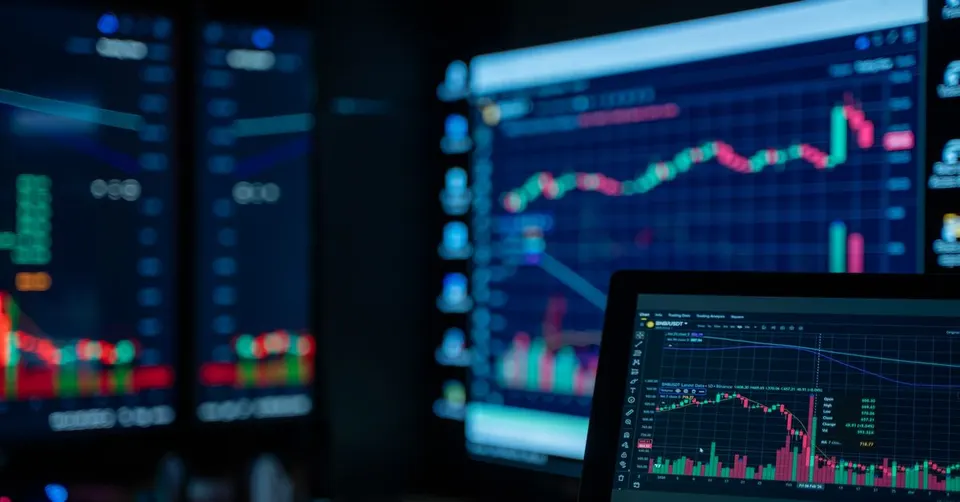
While Tehran grapples with regional friction, Wall Street is currently experiencing what analysts are calling a 'giddy euphoria' reminiscent of the 1999 dot-com bubble. Tech giants like Nvidia and Google continue to drive indices to record highs, fueled by an insatiable appetite for AI-related growth. The latest shockwave came from Anthropic, a leading AI startup, which projected a staggering $200 billion in revenue by 2028. Such figures are almost unprecedented for a company of its age, leading many to wonder if the market has decoupled from reality. The comparison to the late 90s is not just hyperbole; the concentration of wealth in a few tech stocks mirrors the era before the massive crash at the turn of the millennium.
For investors, this 'AI party' presents a double-edged sword. On one hand, the growth is backed by genuine hardware demand (as seen in Nvidia's earnings), but on the other, the valuations assume a near-perfect execution of AI integration across the global economy. In the crypto space, the sentiment is more sober. Bitcoin continues to hover around the $63,029 mark, with some analysts predicting a potential bottom in October as the 'altcoin' market struggles to find relevance. The divergence between the 'euphoric' stock market and the 'cautious' crypto market suggests that institutional money is currently favoring established tech monopolies over decentralized alternatives, a trend that could define the remainder of 2026.
Legal Echoes: The Tupac Trial and Syrian Accountability
In a bizarre intersection of pop culture and international justice, two major legal proceedings are capturing global attention this hour. In Las Vegas, thirty years after the killing of rap icon Tupac Shakur, the trial of Duane “Keffe D” Davis is set to begin on Monday. This case represents a rare attempt to provide closure to a mystery that has defined hip-hop history for three decades. Simultaneously, in the world of international human rights, a former Syrian police chief, Musab Abu Rukbah, was detained in Syria after fleeing a conviction in Austria for civil war abuses. These stories, while seemingly unrelated to the price of oil or the Toman, underscore a global trend toward long-term accountability, where past actions—whether on the streets of Vegas or in the prisons of Syria—eventually face the scrutiny of the law.
Frequently Asked Questions
Why is the claim of Iranian pilots being held in Qatar surfacing now?
How has the USD/IRR rate changed in the last 24 hours?
What does the '1999 bubble' reference mean for tech investors?
Understanding Currency Depreciation and the Impact of Sanctions
When a headline mentions a currency like the Iranian Toman "edging toward 187,000" against the USD, it's referring to currency depreciation. This economic phenomenon occurs when the value of one country's currency falls relative to another currency, meaning it takes more units of the domestic currency to buy a single unit of a foreign currency. For instance, if the Toman depreciates, you'd need more Tomans to purchase one US dollar than before. This shift is primarily driven by the forces of supply and demand in the foreign exchange market.
Several factors can trigger currency depreciation, but two highly relevant ones in the context of the given headline and keywords are economic sanctions and geopolitical tensions. Sanctions, which are punitive measures imposed by one or more countries against another, severely restrict a nation's ability to engage in international trade, access global financial markets, and attract foreign investment. This reduces the inflow of foreign currency (like USD) from exports and investments, simultaneously increasing the demand for foreign currency to pay for essential imports or for citizens seeking to protect their savings from domestic instability.
The combined effect of reduced foreign currency supply and increased demand for it puts downward pressure on the domestic currency's value. Geopolitical tensions, such as those in the Persian Gulf, exacerbate this by creating uncertainty. Investors become hesitant to commit capital, and existing capital may flee the country (capital flight), further draining foreign currency reserves. This lack of confidence in the economic and political outlook makes holding the domestic currency less attractive, accelerating its depreciation.
The consequences of significant currency depreciation can be severe. It leads to higher import costs, fueling domestic inflation as goods and services become more expensive. Citizens' purchasing power diminishes, and the cost of living rises. For countries heavily reliant on imports, sustained depreciation can trigger economic hardship and social unrest. Understanding currency depreciation, especially when driven by external pressures like sanctions and regional instability, is crucial for comprehending the broader economic challenges faced by nations like Iran.
Topics
Related Articles