Gulf Tensions Spike: Iran Claims Qatar Captured Pilots as Global Markets Face AI Index Fund Risks
تنش در خلیج فارس: ادعای تهران درباره اسارت خلبانان توسط قطر و هشدار درباره حباب هوش مصنوعی در بازارها
Tehran has accused Doha of holding two fighter pilots since March, a claim Qatar flatly denies, while global investors are warned that their index funds are becoming high-stakes bets on AI. Meanwhile, the Toman holds steady near 186,900 as gold sees a marginal cooling.
At time of publishing
USD
186,900
Toman
Gold 18K
19.06M
Toman / gram
Bitcoin
$63,044
US Dollar
Tether
187,032
Toman
The Pilot Dispute: A New Rift in the Persian Gulf
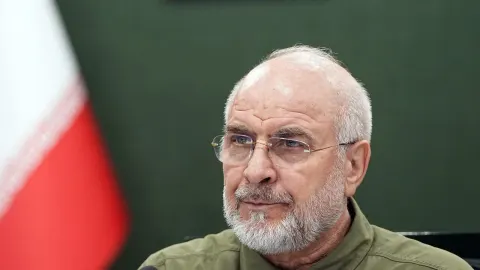
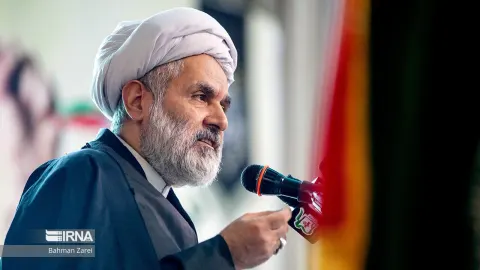
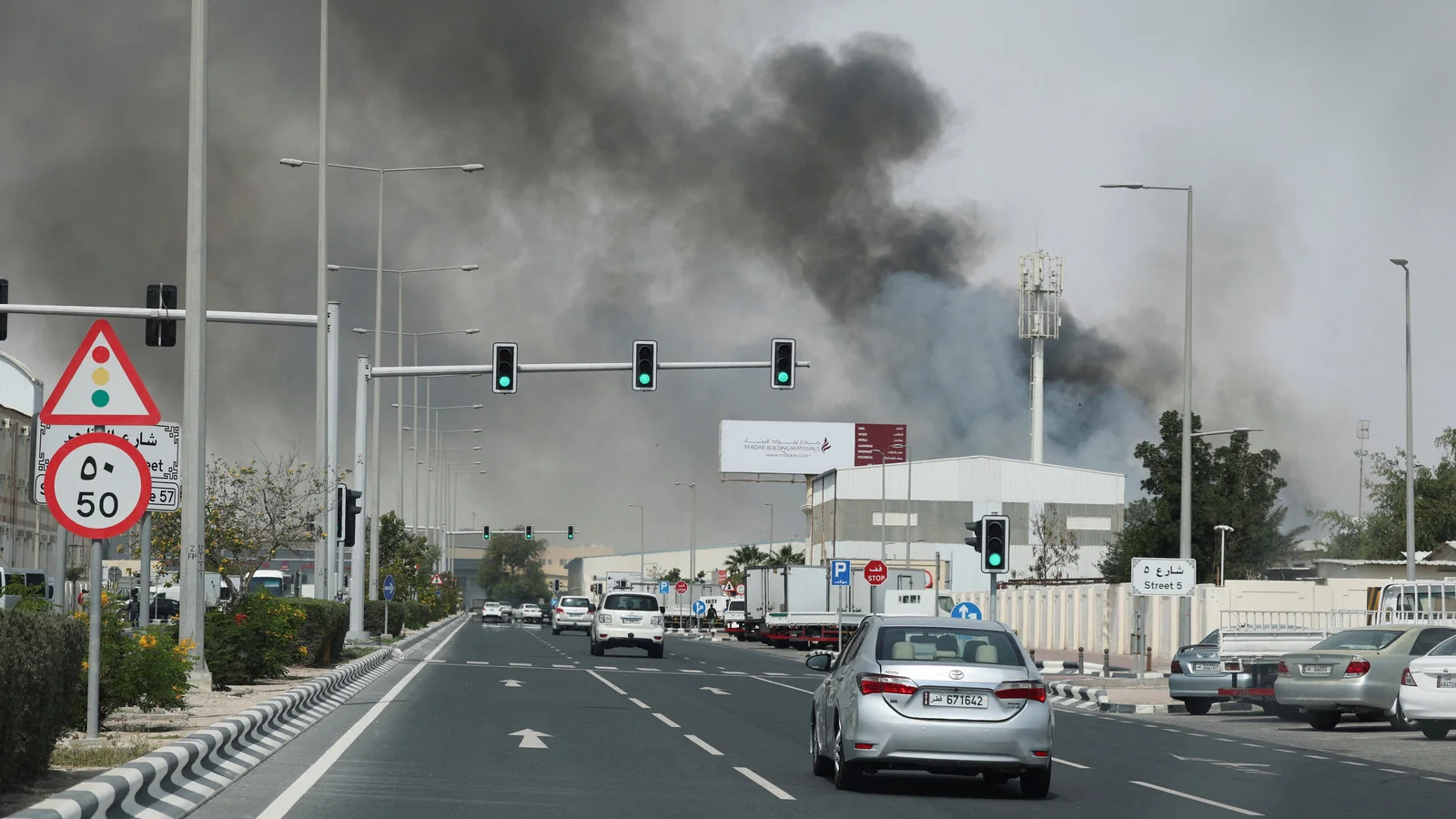
In a move that has sent ripples through regional diplomatic circles, the Iranian government has officially claimed that two of its fighter pilots have been held in Qatari custody since March 2, 2024. According to state-aligned narratives, the airmen were allegedly intercepted and their jets downed, leading to a months-long detention that Tehran is only now bringing to the forefront of public discourse. Qatar, which has long positioned itself as the primary mediator between Iran and the West, has issued a swift and categorical denial, stating that no such incident occurred and no Iranian personnel are being held.
This sudden escalation is particularly jarring given the traditionally pragmatic relationship between Doha and Tehran. For the Iranian public, this story adds a layer of geopolitical uncertainty to an already strained economic environment. If the relationship with one of Iran's few remaining regional conduits sours, it could lead to further isolation and pressure on the Rial. The timing of the announcement—months after the alleged event—suggests that Tehran may be using the claim as leverage in broader regional negotiations or as a distraction from internal economic pressures.
Market Realities: The Hidden AI Bet in Your Portfolio
While local traders in Tehran focus on the USD sell rate of 186,900 Toman, global financial analysts are sounding the alarm on the structure of modern index funds. New data suggests that the average investor’s portfolio is now an inadvertent bet on the continued dominance of Artificial Intelligence. As index funds become increasingly top-heavy with tech giants, a significant portion of global wealth is tied to the valuation of a handful of companies. This means that even a minor correction in the AI sector could trigger a systemic sell-off, impacting everything from retirement accounts to currency stability.
In the local context, the USD/IRR rate moved from 186,700 to 186,900 (+0.1%) over the last 24 hours, showing a market that is cautiously pricing in global volatility. Meanwhile, Gold 18k/gram slipped slightly from 19,130,615 to 19,063,668 Toman (-0.3%), and the Emami coin followed suit, dropping to 189,000,000 Toman (-0.3%). This divergence—a rising dollar and falling gold—suggests that while liquidity is seeking safety in hard currency, the extreme speculative fever in the precious metals market may be seeing a temporary breather as global gold ounces trade at $4,377.60.
Tech Provenance: Anthropic’s New Shield Against Deepfakes
Anthropic has unveiled deeper technical details regarding the watermarking system for its Claude AI models, aiming to address the growing crisis of digital authenticity. The new system is designed to embed invisible markers within AI-generated text and code, allowing platforms to verify whether content originated from Claude. This move is a direct response to increasing regulatory pressure in both the US and Europe, where lawmakers are demanding that AI companies take responsibility for the potential misuse of their tools in spreading misinformation or facilitating cyberattacks.
Beyond simple watermarking, the tech landscape is seeing major consolidation, as evidenced by SpaceX’s official acquisition of the AI coding startup Cursor. This acquisition signals a shift where aerospace and heavy industry are beginning to vertically integrate AI development to optimize engineering workflows. For the Iranian tech sector, which remains largely isolated from these official tools due to sanctions, the widening gap in productivity-enhancing AI technology remains a critical long-term concern for economic competitiveness.

Cultural Friction: Authenticity Debates in the West Bank
In a story that highlights the internal complexities of regional identity, a public spat has broken out between prominent Palestinian rappers Shabjdeed and Saint Levant. Shabjdeed, based in the West Bank, recently released a track criticizing Saint Levant’s "Westernized" lifestyle and lyrics, arguing that they do not reflect the harsh realities of life on the ground. This debate over "authenticity" has captured the attention of the regional youth, reflecting a broader tension between the diaspora and those living within the conflict zones.
While seemingly a cultural footnote, these disputes often mirror deeper political and social shifts. In an era where soft power and digital influence are as important as traditional diplomacy, the struggle to define the Palestinian narrative is becoming increasingly fragmented. For observers in Iran, who often view regional conflicts through a unified lens, this internal friction serves as a reminder that the social fabric of the Middle East is far from monolithic, with internal class and cultural divides playing a major role in shaping the future of regional movements.
Frequently Asked Questions
What is the basis of Iran's claim against Qatar regarding the pilots?
Why are index funds considered a 'bet on AI'?
How did the Tehran gold market react to the recent geopolitical news?
Understanding Geopolitical Risk and its Market Impact
Geopolitical risk refers to the potential for political events, conflicts, or instability between countries or regions to disrupt global affairs and financial markets. These risks encompass a wide array of scenarios, including military conflicts, diplomatic disputes, trade wars, political coups, and terrorist acts. Such events introduce significant uncertainty, making it difficult for investors and businesses to predict future economic conditions and policy directions. The recent tensions in the Gulf, as highlighted by the Iran-Qatar pilot dispute, serve as a potent reminder of how regional political developments can quickly escalate into broader concerns.
When geopolitical tensions rise, financial markets often react with volatility. Investors typically seek to mitigate risk by moving capital out of perceived high-risk assets or regions and into safer havens. This "flight to quality" can lead to currency depreciation in affected nations, as seen in the potential for the Iranian Rial (IRR) to fluctuate against the US Dollar (USD) amidst regional instability. Conversely, demand for traditional safe-haven assets like gold tends to increase, pushing up its price in markets such as Tehran, as investors flock to tangible stores of value that are less susceptible to political whims.
Beyond immediate market reactions, sustained geopolitical risk can have far-reaching economic consequences. It can disrupt global supply chains, particularly for critical resources like oil and gas, leading to higher energy prices and inflationary pressures worldwide. It can also deter foreign direct investment, stifle international trade, and undermine consumer and business confidence, ultimately slowing economic growth. Understanding geopolitical risk is crucial for anyone seeking to comprehend the complex interplay between global politics and economic stability, allowing for a more informed perspective on market movements and international relations.
Topics
Related Articles