Iran Bolsters War-Time Comms as Global Disasters Strain EU and Latin American Trade
تقویت زیرساختهای ارتباطی ایران در شرایط جنگی؛ بحرانهای اقلیمی در اروپا و تنشهای تجاری در کلمبیا
Iran's ICT Ministry focuses on infrastructure resilience amid regional conflict, while Belgium battles record wildfires and Colombia appeals to President Trump for tariff relief following a devastating earthquake.
At time of publishing
USD
186,900
Toman
Gold 18K
19.00M
Toman / gram
Bitcoin
$63,013
US Dollar
Tether
186,707
Toman
ICT Ministry Claims Resilience Amid Infrastructure Damage
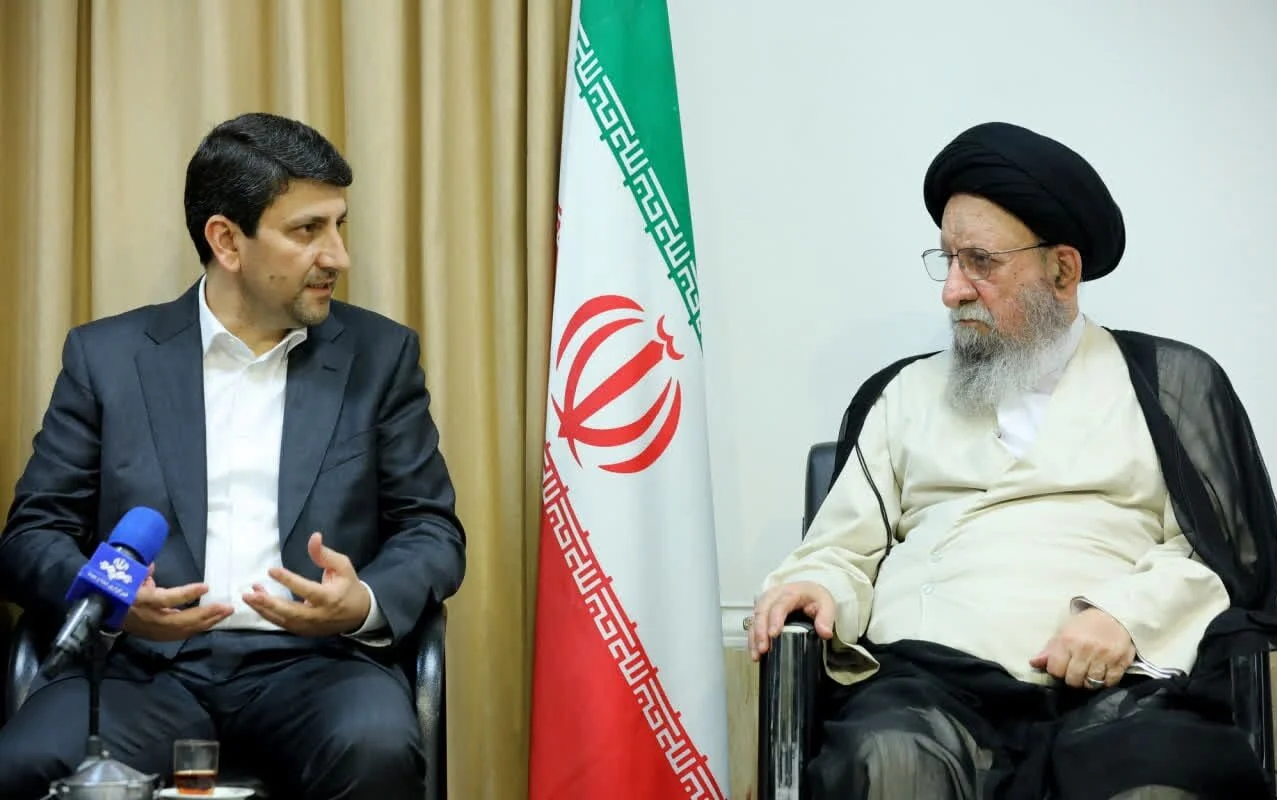
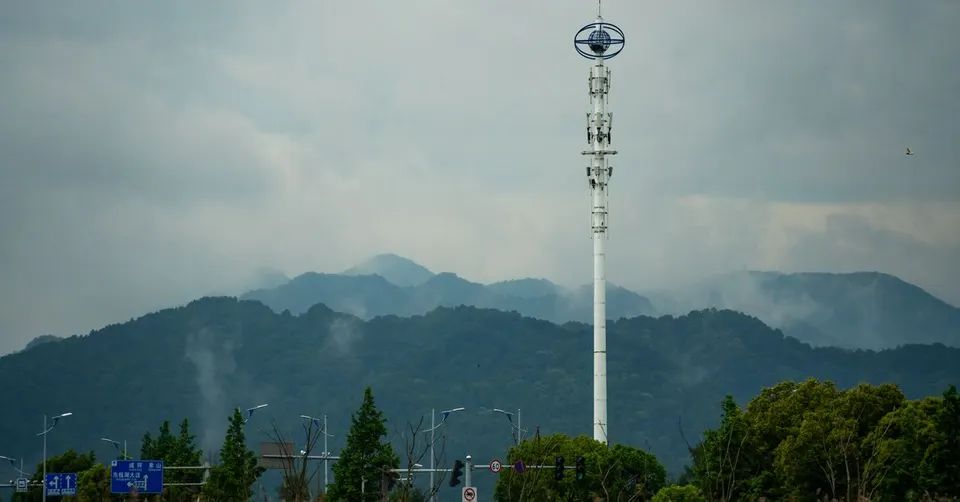
Iranian Minister of Information and Communications Technology, Sattar Hashemi, recently stated that the ministry's primary objective during the recent period of conflict was to ensure the sustainability of communication services across the country. According to reports from the state-run IRNA, Hashemi acknowledged that while several infrastructure nodes suffered damage, the ministry exerted significant effort to prevent a total blackout. This focus on "war-time communications" reflects the government's increasing anxiety regarding the vulnerability of its digital backbone during geopolitical escalations.
However, for the average Iranian user, these claims of "sustainability" often contrast with the reality of localized outages and the persistent shadow of state-mandated internet filtering. While the ministry frames its actions as a defensive necessity against physical damage, critics often point out that the centralization of infrastructure makes it easier for the state to control the flow of information during domestic unrest or external conflict. The emphasis on resilience suggests a long-term shift toward a "hardened" domestic intranet, potentially further isolating the Iranian digital landscape from the global web under the guise of national security.
Record Wildfires in Belgium and Seismic Shocks in Indonesia
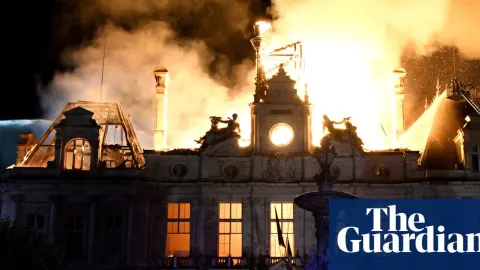
Europe is facing an unprecedented environmental crisis as Belgium battles what officials describe as one of the worst wildfires in the nation's history. The blaze has already scorched over 2,700 hectares of land, prompting the European Union to scramble water bombers and helicopters to assist local firefighters. Hundreds of villagers have been evacuated as the fire spreads rapidly, fueled by dry conditions that have plagued the region this summer. This event highlights the increasing frequency of extreme weather events in Northern Europe, a region historically less prone to such massive wildfires compared to the Mediterranean.
Meanwhile, on the other side of the globe, Indonesia’s Flores island is reeling from a massive 7.7-magnitude earthquake that has claimed at least 48 lives. The seismic event has left thousands of people homeless and severely disrupted telecommunications and electricity in the affected areas. These dual disasters—one climatic and one seismic—are putting immense strain on international aid corridors. For global markets, such events contribute to a general sense of instability, though the immediate impact on commodity prices remains localized to regional logistics and insurance premiums.
Colombia Appeals to Trump for Tariff Relief Post-Quake
In the wake of a devastating earthquake that killed at least 300 people in Cali and Pereira, Colombia's new President, Abelardo de la Espriella, has made a direct appeal to US President Donald Trump. The Colombian leader is requesting a temporary suspension of trade tariffs to help the nation finance a reconstruction effort estimated to cost upwards of $6.4 billion. This plea comes at a time when the Trump administration has been doubling down on protectionist trade policies, making the request a significant test of the "America First" doctrine in the face of a humanitarian catastrophe in a key regional ally.
The economic stakes for Colombia are high, as the renewed US tariffs have already begun to squeeze the nation's export-driven economy. If the Trump administration refuses to grant a waiver, it could signal a hardening of US trade stances even toward friendly nations in crisis, potentially pushing Latin American partners to seek alternative investment from rivals like China. For investors, this situation serves as a reminder of how quickly geopolitical priorities and natural disasters can intersect to alter trade dynamics and currency valuations in emerging markets.
Market Stability Amid Regional Friction and Pilot Disputes
On the domestic front, the Iranian Rial remains largely unchanged at the 10:00 AM Tehran opening, with the USD selling at 186,900 Toman, showing no change from the previous 24-hour period. Gold prices, however, have seen a slight downward adjustment; 18k gold is currently trading at 18,999,030 Toman per gram, a decrease of 0.3%. The Emami coin has bucked this minor trend, rising 0.5% to reach 190,000,000 Toman. This divergence suggests that while the broader currency market is in a holding pattern, demand for physical minted coins remains a preferred hedge for local savers.
In regional geopolitics, a diplomatic rift is deepening between Tehran and Doha. Iran claims that Qatar has been holding several of its pilots since March after their fighter jets were allegedly shot down. The Qatari government has categorically rejected these claims, leading to a rare public spat between the two neighbors who usually maintain a pragmatic, if not friendly, relationship. Such friction, if escalated, could impact regional maritime security and the delicate balance of power in the Persian Gulf, though the markets have yet to price in any significant risk premium from this specific dispute. Amidst this tension, some digital audiences are seeking escapism through nature; Alaska's "bearcam" has seen a 70% surge in viewership, with millions watching brown bears catch salmon as a reprieve from global crises.
Frequently Asked Questions
Why is the Iranian ICT Ministry emphasizing 'war-time communications' now?
What is the economic impact of the Colombia earthquake on its relations with the US?
Why is the price of Emami coin rising while 18k gold is falling in Iran?
Understanding Exchange Rates and Currency Depreciation
Exchange rates are the prices at which one currency can be exchanged for another. They can be set by governments (fixed or pegged regimes) or allowed to float freely in the market, where supply and demand determine the price. The choice of regime influences how a country reacts to external shocks, such as sudden changes in commodity prices or geopolitical tensions.
Currency depreciation occurs when a nation's currency loses value relative to foreign currencies. In a floating system, depreciation can be driven by lower investor confidence, widening trade deficits, or sanctions that restrict access to foreign exchange. Iran’s Toman, for example, has been on a steep downward trajectory since the re‑imposition of U.S. sanctions, with the official rate diverging sharply from the market rate, pushing the price of everyday goods higher.
A weaker currency makes imports more expensive and can fuel inflation, but it also makes exports cheaper for foreign buyers. For Iran, this dynamic is a double‑edged sword: while a cheaper Toman could boost demand for oil and certain manufactured goods abroad, the country’s heavy reliance on imported technology and food means the inflationary pressure is severe. Policymakers therefore face a trade‑off between stabilising prices at home and preserving export competitiveness.
Digital assets such as the locally‑issued Emami Coin have emerged as a hedge against the volatile Toman. Because cryptocurrencies can be traded on global platforms, they sometimes retain value better than the national currency during periods of rapid depreciation. However, they are also subject to regulatory risk and price volatility of their own, so they are not a panacea for macro‑economic instability.
Topics
Related Articles