
Global Protests Erupt Over Israel as UK Drones Strike Russia; Bitcoin Stalls in $63K 'Chop Zone'
اعتراضات گسترده در آلمان و کره علیه اسرائیل؛ پهپادهای انگلیسی در خاک روسیه و توقف بیتکوین در محدوده نوسانی
Thousands have taken to the streets in Germany and South Korea to protest Western military support for Israel, highlighting a growing rift between public sentiment and government policy. Meanwhile, reports of British-made drones striking Russian territory and Bitcoin's continued stagnation in a tight trading range dominate the global and financial landscape.
At time of publishing
USD
186,700
Toman
Gold 18K
18.98M
Toman / gram
Bitcoin
$63,006
US Dollar
Tether
186,680
Toman
Global Protests Against Military Support for Israel
In a significant display of public dissent, thousands of demonstrators gathered in major cities across Germany and South Korea this weekend to voice their opposition to Western military aid for the Israeli regime. According to reports from Iranian state media (IRNA), which we treat as a claim pending further independent verification, the protesters in Berlin and Seoul called for an immediate halt to arms exports, citing the humanitarian toll of the ongoing conflict. These demonstrations reflect a burgeoning movement in Western-aligned nations where the electorate is increasingly at odds with the strategic military commitments of their respective governments.

This wave of protests is not merely a localized phenomenon but a signal of potential diplomatic friction for the administrations involved. In Germany, where historical context often complicates foreign policy regarding the Middle East, the scale of the turnout suggests that the domestic political cost of maintaining current support levels is rising. For Iran, these developments are viewed through a lens of shifting global alliances; any softening of Western support for Israel could lead to a recalibration of regional power dynamics and impact the broader geopolitical risk premium that often drives volatility in the Toman exchange rate.
British-Made Drones Strike Inside Russian Territory
The geopolitical landscape has shifted dramatically following reports in the British Sunday papers that UK-made drones have been used by Ukrainian forces to strike targets deep within Russian territory. This development, highlighted by the BBC, marks a critical crossing of what Moscow has previously termed 'red lines' regarding the use of Western-supplied weaponry on its sovereign soil. The involvement of British technology in direct strikes against Russia elevates the risk of a broader confrontation between NATO members and the Kremlin, adding a layer of uncertainty to global markets that have already been jittery over the summer months.

For international observers and investors, this escalation is a 'double-edged sword.' While it demonstrates the increasing technical capabilities of the Ukrainian defense, it also heightens the probability of Russian retaliation against Western infrastructure or interests. This heightened state of alert typically drives capital toward safe-haven assets. However, the current market reaction remains somewhat muted as traders wait to see if this marks a sustained shift in UK policy or an isolated tactical maneuver. The implications for energy prices and trade routes in Eastern Europe remain a primary concern for global economic stability.
The 'Digital Delusion' and the Crisis in Modern Education
Beyond the battlefield, a different kind of alarm is being sounded by neuroscientist Jared Cooney Horvath, who argues that the pervasive use of screens in schools is leading to a generation that is 'less cognitively capable.' In his book, The Digital Delusion, Horvath warns that the rush to integrate educational technology into every classroom has backfired, undermining the fundamental ways children learn and retain information. He suggests that the constant distraction of digital tools is eroding deep-thinking skills, a sentiment that is gaining traction among parents and policymakers who are now advocating for smartphone bans in schools.
This debate is more than a cultural critique; it has profound long-term economic implications. As the global economy moves toward a future dominated by Artificial Intelligence and high-level problem solving, a workforce with diminished cognitive focus could lead to a productivity crisis. For countries like Iran, where educational technology is often seen as a status symbol of modernization, Horvath’s warnings serve as a cautionary tale. Balancing the benefits of digital literacy with the biological needs of the developing human brain is becoming one of the most complex policy challenges of the late 2020s.
Market Update: Bitcoin Chop and Toman Stability
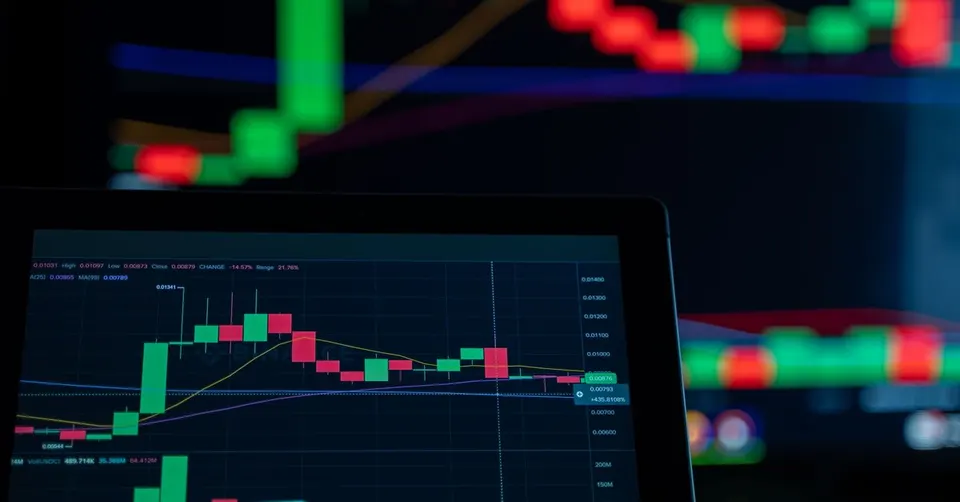
In the financial markets, Bitcoin remains trapped in what analysts call a 'chop zone,' oscillating between $62,500 and $64,000 without a clear directional breakout. Currently trading at $63,006, the world's largest cryptocurrency is struggling to find a catalyst for its next major move. This consolidation phase is testing the patience of retail investors, while institutional players appear to be waiting for clearer signals from the US Federal Reserve regarding future interest rate cuts. The lack of momentum in the crypto space is mirrored in the broader risk-off sentiment seen in global equity markets this Sunday.
On the local front, the Iranian Toman has shown remarkable stability over the last 24 hours. The USD/IRR rate moved from 186,900 to 186,700, representing a minor decrease of -0.1%. Similarly, the price of 18k gold per gram saw a slight dip from 19,063,668 Toman to 18,975,945 Toman, a decrease of -0.5%. The Emami coin remained perfectly flat at 189,000,000 Toman. This relative calm in the domestic market suggests that, for now, the geopolitical tensions in Europe and the Middle East have been priced in, leaving the Toman to trade within a narrow range as the market awaits the next major regional development.
Frequently Asked Questions
Why are there protests in Germany and South Korea regarding Israel?
What is the significance of UK-made drones striking inside Russia?
Why is Bitcoin stuck in a 'chop zone' right now?
Understanding Safe-Haven Assets in Times of Global Instability
In times of global uncertainty, whether stemming from geopolitical conflicts, economic crises, or widespread social unrest, investors often seek refuge in what are known as "safe-haven assets." These are investments expected to retain or even increase in value during periods of market turbulence, acting as a shield against the volatility that typically affects other asset classes. The primary appeal of a safe haven lies in its perceived stability and its ability to preserve wealth when conventional markets are under stress.
Historically, gold has been the quintessential safe-haven asset. Its intrinsic value, limited supply, and long-standing role as a store of wealth across civilizations make it a reliable choice when trust in fiat currencies or financial institutions wanes. Investors often flock to gold during inflation fears, economic recessions, or geopolitical tensions, driving up its price. Certain national currencies, like the U.S. Dollar, Japanese Yen, and Swiss Franc, also frequently act as safe havens due to the perceived stability of their respective economies and governments, or their role in global finance.
More recently, cryptocurrencies, particularly Bitcoin, have been debated as potential digital safe havens. Proponents argue that Bitcoin's decentralized nature, limited supply, and independence from traditional financial systems make it an attractive alternative in an unstable world. However, its significant price volatility, as seen in the "chop zone" mentioned in the headline (a period of high volatility with no clear trend), and its relatively short history as a major asset class, lead many to question its true safe-haven status. While some see it as "digital gold," its price movements often correlate with risk assets, suggesting it has not yet fully matured into a reliable safe haven for all investors.
The demand for safe-haven assets is particularly pronounced in regions facing acute economic or political instability. For instance, in countries experiencing high inflation or currency depreciation, such as Iran with its Toman exchange rate fluctuations, citizens often turn to physical gold or other tangible assets to protect their savings from erosion. This local demand for traditional safe havens can significantly influence regional gold prices, reflecting a broader societal effort to preserve wealth amidst uncertainty.
Topics
Related Articles