Tech Spinouts Lead Innovation as US-Iran Economic War Hits Nuclear Deadlock
بنبست هستهای و آغاز جنگ اقتصادی جدید؛ از اپلیکیشنهای پایش آب تا تنشهای هوایی در خلیج فارس
As a UK tech spinout revolutionizes water safety with real-time mapping, the US and Iran shift their conflict into a high-stakes economic battle after missing crucial nuclear deadlines. Regional tensions remain high as Qatar officially denies holding Iranian pilots following the downing of fighter jets.
At time of publishing
USD
186,500
Toman
Gold 18K
19.09M
Toman / gram
Bitcoin
$62,954
US Dollar
Tether
185,904
Toman
Real-Time Science: Molendotech and the Future of Water Safety
In a significant leap for public health technology, Molendotech, a spinout from the University of Plymouth, is preparing to launch live water quality maps for the UK and US. This move comes as a response to increasing reports of illness among beachgoers and swimmers. The company’s core technology is a portable kit that detects E. coli and other harmful bacteria on the spot, providing results in minutes rather than the days required by traditional laboratory testing. By collating this data into a real-time digital map, the company aims to give citizens the power to make informed decisions about where it is safe to swim, bypassing the often slow and opaque reporting from government agencies.
For the broader tech ecosystem, this represents a shift toward decentralized environmental monitoring. While traditional infrastructure often fails to keep pace with pollution spikes, private-sector innovation is stepping in to provide transparency. For readers in regions with aging water infrastructure, such as Iran, the development of rapid, portable bacterial testing offers a glimpse into a future where community-led data collection could mitigate the risks of waterborne diseases. This democratization of data is not just a convenience; it is a critical tool for public accountability in an era of environmental instability.

The Economic Battle: US and Iran Pivot as Nuclear Deadlines Expire
The geopolitical landscape has shifted dramatically this hour as the United States and Iran appear to have abandoned their self-imposed deadlines for brokering a new nuclear and peace framework. According to reports, the conflict has officially transitioned into a sophisticated "Economic Battle," a strategy that recalls the maximum pressure campaigns of the past but with modern, more surgical financial tools. This pivot suggests that neither side currently sees a path to a diplomatic breakthrough, choosing instead to use market volatility and trade restrictions as their primary weapons of choice.
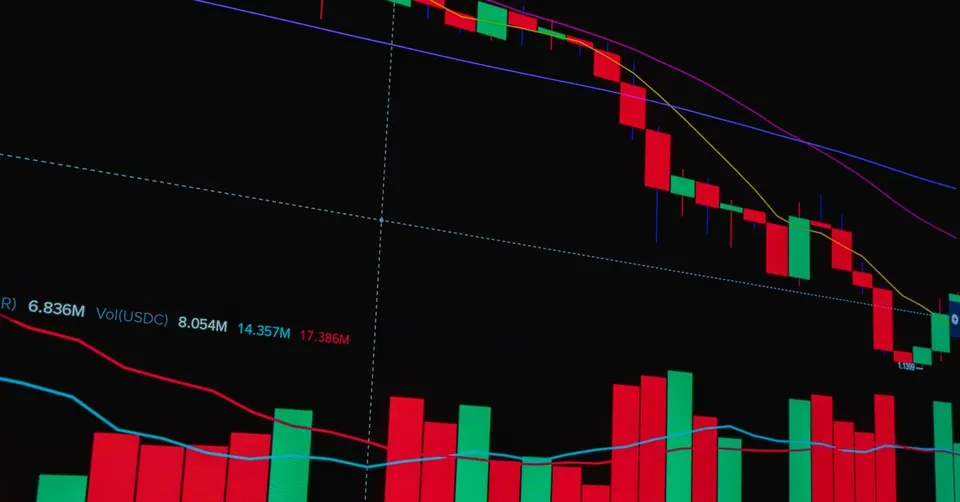
In the local markets, this stalemate has maintained a heavy atmosphere of uncertainty. The USD sell rate in Tehran moved from 186,900 to 186,500 Toman, a slight decrease of -0.2% over the last 24 hours. While this might look like a stabilization, it reflects a market that is "holding its breath" rather than finding genuine relief. As the US strategy focuses on tightening the noose around Iran’s remaining trade corridors, the Toman remains highly sensitive to any news regarding secondary sanctions or new enforcement measures. Gold 18k/gram, meanwhile, saw a marginal increase from 19,063,668 to 19,091,370 Toman (+0.1%), signaling that investors are still seeking the safety of hard assets as the diplomatic window slams shut.
Regional Friction: Qatar Denials and the Humanitarian Toll in Lebanon
Tensions in the Persian Gulf have taken a sharp turn as Qatar officially denied claims that it has captured three Iranian pilots. The dispute follows the downing of two fighter jets earlier in the conflict, a move that Iran has used to accuse its neighbor of direct involvement in the broader US-led military pressure. Qatar’s denial highlights the delicate balancing act regional players must perform as they navigate the fallout of the ongoing US-Iran hostilities. For the energy markets, any friction involving Qatar—a global leader in LNG—adds another layer of risk to an already fragile global supply chain.
Further west, the situation in South Lebanon is reaching a breaking point. Israeli strikes have reportedly killed at least 11 people in what is being described as the largest escalation since the June agreement. Humanitarian workers on the ground, including emergency doctors, report that the toll is not just physical but systemic, with healthcare workers losing their homes and hospitals fearing they are the next targets. This escalating violence in the Levant continues to act as a catalyst for gold prices, which remain near record highs globally as the risk of a wider regional conflagration persists. The human cost is mounting, and with it, the economic cost of regional instability that ripples through every bazaar in the Middle East.
Domestic Outlook: Cyber Defense and National Mourning
Inside Iran, the government is attempting to project an image of resilience and continuity. The Ministry of Information and Communications Technology, led by Sattar Hashemi, has claimed that the country is successfully managing "continuous enemy cyberattacks" amid what he described as wartime conditions. This rhetoric serves a dual purpose: it justifies the ongoing tightening of internet controls and aims to reassure a public that has become increasingly wary of the state's ability to protect critical digital infrastructure. However, without independent verification, these claims of successful defense are often viewed by technical experts as a cover for further digital isolation.
Simultaneously, the Office of the Leader has announced that ceremonies marking the 40th day since the funeral of the late Ayatollah Seyyed Ali Khamenei will be held in Tehran, Qom, and Mashhad. These events are not merely religious observances but are highly political stages used to demonstrate the regime's grip on power during a period of transition and external pressure. For the average citizen, the combination of high-security ceremonies and persistent cyber-warfare narratives underscores a reality where the state's focus remains on survival and narrative control, even as the economic pressure on households continues to intensify.
Frequently Asked Questions
Why did the US and Iran shift to an 'Economic Battle' strategy?
What is the significance of the Molendotech water quality app?
How is the Toman reacting to the latest regional escalations?
Understanding Economic Sanctions: A Tool of Foreign Policy
Economic sanctions are powerful foreign policy tools used by countries or international organizations to compel a change in the behavior of a target state, entity, or individual. Rather than resorting to military force, sanctions aim to exert pressure through economic means. These measures can range from comprehensive embargoes on all trade to more targeted restrictions, such as freezing assets, limiting access to international financial systems, imposing travel bans on specific individuals, or restricting trade in particular goods like oil or technology. The primary goal is often to deter actions deemed undesirable, such as nuclear proliferation, human rights abuses, or support for terrorism, by making it economically costly for the target to continue its current policies.
The mechanisms through which economic sanctions operate are varied. Financial sanctions, for instance, can sever a country's access to global banking networks, making it difficult to conduct international trade, receive foreign investment, or even process basic transactions. Trade embargoes restrict the import and export of goods, cutting off vital revenue streams (like oil exports for Iran) and limiting access to necessary imports (like advanced technology or medical supplies). The cumulative effect of these restrictions is to strain the target economy, potentially leading to currency devaluation, inflation, shortages, and a decline in living standards, thereby increasing domestic pressure on the leadership to alter its course.
However, economic sanctions are not without their complexities and criticisms. While they can be effective in some cases, their success often depends on factors like the comprehensiveness of the sanctions, the unity of the imposing parties, and the target's ability to find alternative trade partners or develop domestic substitutes. For countries like Iran, facing extensive U.S. sanctions, the economic pressure has been immense, impacting its currency (like the USD/IRR exchange rate) and leading to a reliance on alternative assets like gold. Simultaneously, such pressure can also spur innovation and self-sufficiency within the targeted economy, as seen with tech spinouts attempting to develop local solutions to overcome external limitations.
Topics
Related Articles