Iran’s Space Resilience Amid Infrastructure Damage & Trump’s Bold Hormuz Claims
پایداری صنعت فضایی ایران در میانه تنشها و ادعای جنجالی ترامپ درباره تنگه هرمز
Despite reported infrastructure damage from regional conflict, Iran's space agency claims full operational status, while Donald Trump stirs controversy with threats to annex the Strait of Hormuz. Meanwhile, the drone war in Ukraine reaches an unprecedented scale as global markets remain surprisingly calm.
At time of publishing
USD
186,700
Toman
Gold 18K
19.09M
Toman / gram
Bitcoin
$62,932
US Dollar
Tether
186,558.295
Toman
The Orbital Front: Iran’s Space Program Claims Resilience
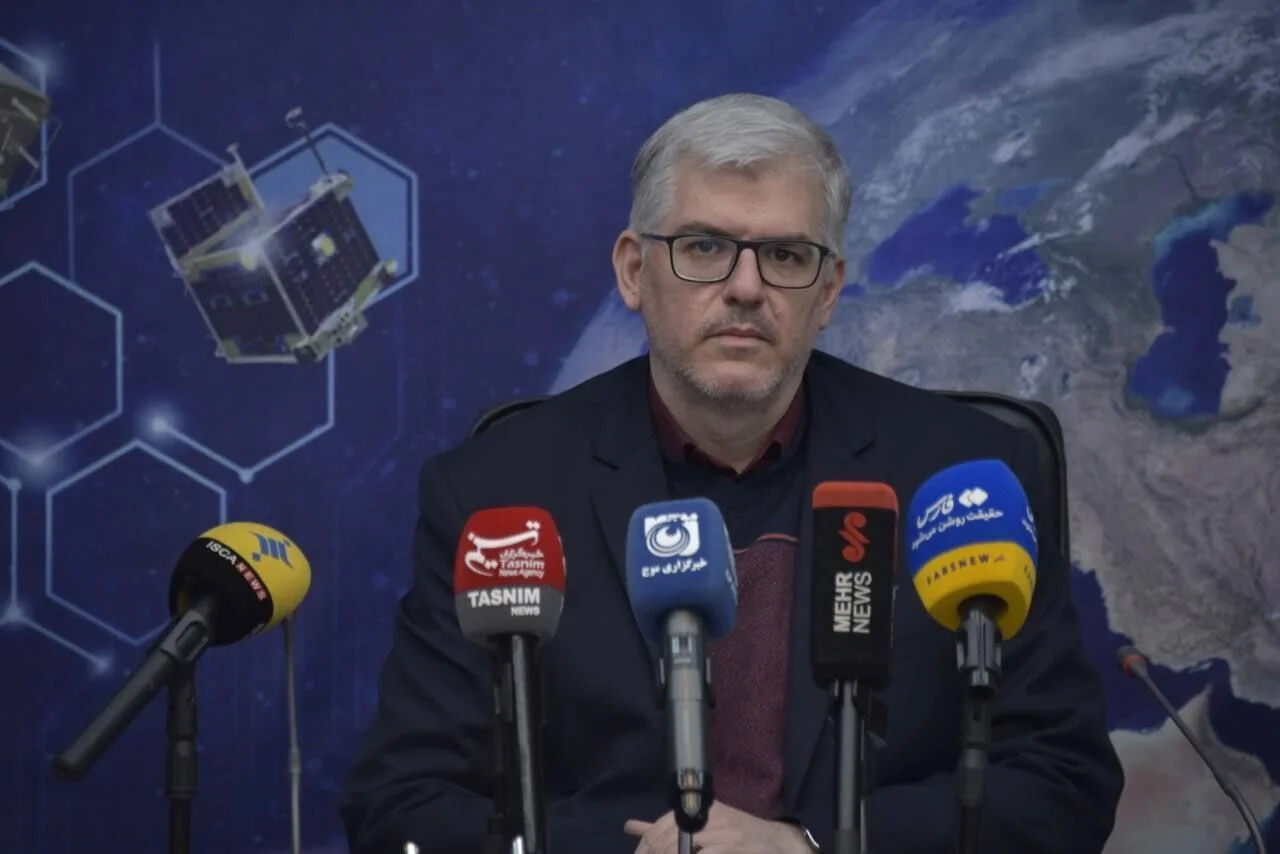
In a significant announcement from Tehran, the head of Iran’s space agency has asserted that the nation’s space industry remains fully operational despite sustaining damage during recent military exchanges. According to state-run IRNA, officials claim that while some ground facilities were impacted by what they termed the "US-Israeli war," the core functions of satellite communications and remote-sensing services have not been interrupted. This narrative of resilience is aimed at both domestic and international audiences, signaling that the technical infrastructure supporting Iran's strategic interests is far more decentralized and robust than critics might suggest.
The agency chief further highlighted that several domestic projects are advancing on schedule, including the development of new satellite platforms. This persistence in the face of physical infrastructure hits suggests a shift in Iran’s defense and technology strategy, moving toward a "hardened" civilian-military hybrid model. For the average Iranian citizen, this news carries a dual message: on one hand, it reinforces a sense of national technical pride; on the other, it confirms that the country remains on a high-alert wartime footing, which continues to influence long-term economic planning and the perceived stability of the state.
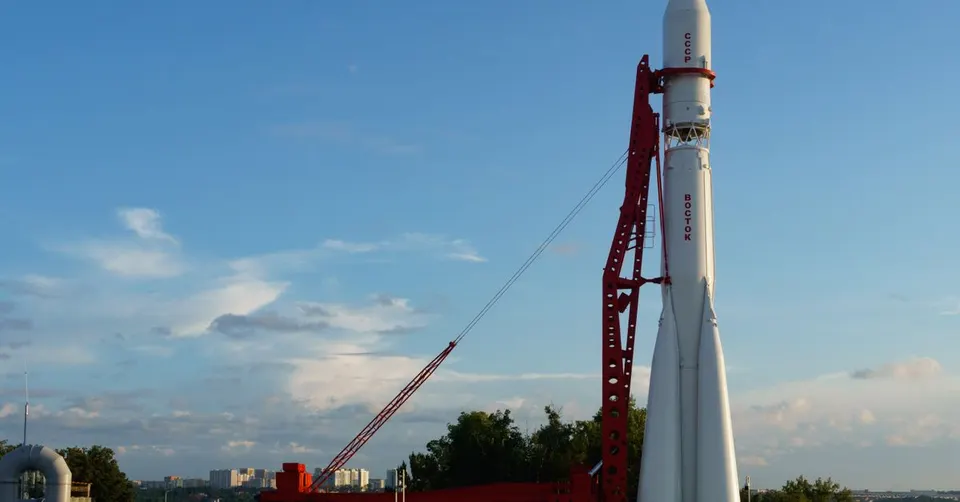
Beyond mere optics, the continuation of these space programs is vital for Iran's regional connectivity. As terrestrial networks face increasing risks from cyberattacks and physical sabotage, orbital assets provide a critical redundancy for state communications and surveillance. However, the official claims of "business as usual" must be viewed through a skeptical lens, as the true extent of the damage to sensitive telemetry and launch hardware is rarely disclosed to the public. For market participants, the persistence of these programs indicates that the government will continue to prioritize high-tech military and dual-use spending, even as the broader economy faces the heat of isolation.
Geopolitical Friction: From Hormuz Annexation to Drone Swarms
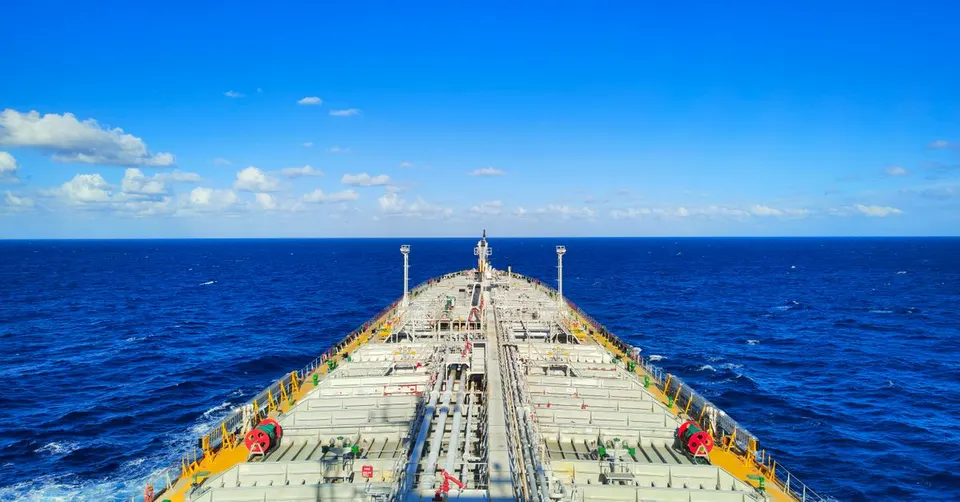
The geopolitical temperature spiked this hour following comments from Donald Trump, who suggested that the United States could theoretically treat the Strait of Hormuz as a U.S. territory to ensure global energy security. While international law experts and the United Nations Convention on the Law of the Sea (UNCLOS) make such a claim legally impossible, the rhetoric alone has sent ripples through the diplomatic community. The Strait remains the world's most critical oil chokepoint, and any suggestion of a shift in its legal status—no matter how outlandish—adds a layer of "geopolitical premium" to energy markets and regional risk assessments.
Simultaneously, the conflict in Eastern Europe has reached a new, terrifying scale of automation. Ukraine reportedly launched a massive wave of 822 drones against Russian targets, marking one of the largest single-day aerial operations in modern history. Russian authorities claimed to have intercepted hundreds of these units, yet the sheer volume of the attack caused significant fires at distribution warehouses near Moscow and resulted in at least six fatalities. This escalation into "saturation warfare" demonstrates that both sides are now capable of projecting power deep behind front lines, further complicating any hopes for a near-term ceasefire.
For the Iranian reader, these two stories are deeply interconnected. The rhetoric regarding the Strait of Hormuz directly impacts the safety of Iranian exports and the cost of maritime insurance, while the drone warfare in Ukraine serves as a live laboratory for technologies that have long been a point of contention between Tehran and the West. As drone technology becomes the primary tool for asymmetric warfare globally, the economic implications for defense manufacturing and regional security alliances are becoming the dominant drivers of market sentiment in the Middle East.
Market Equilibrium: Toman Stability Amid Global Tragedy
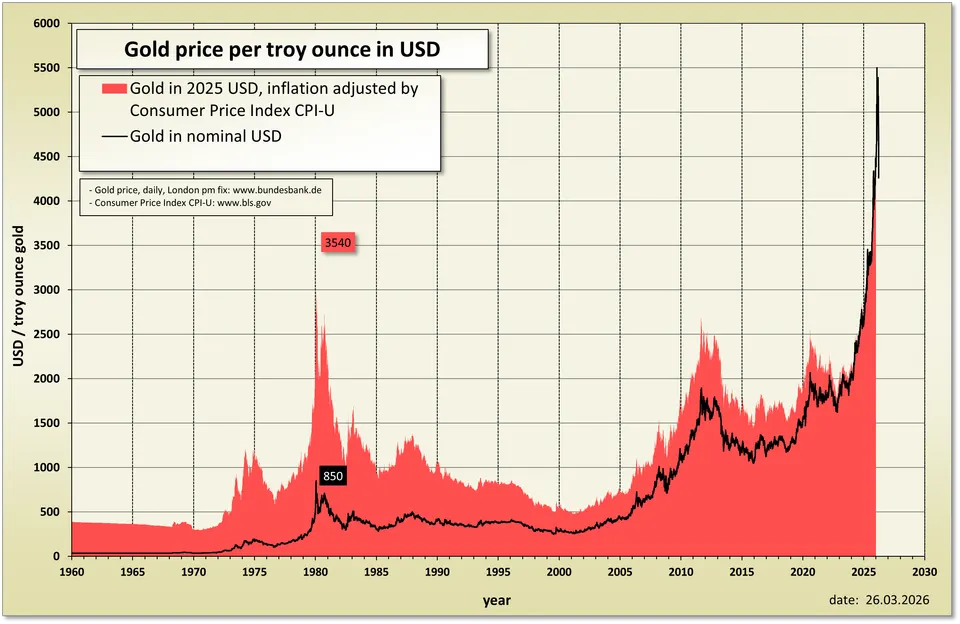
Despite the fiery headlines from the space agency and the drone fronts, the Iranian Toman has shown remarkable stability in today’s session. The USD sell rate moved slightly from 186,900 to 186,700 Toman, representing a minor decrease of 0.1%. Similarly, Gold 18k per gram saw a marginal increase of 0.1%, rising from 19,063,668 to 19,091,370 Toman. This lack of volatility suggests that the market has already priced in much of the ongoing regional tension, or perhaps that liquidity is tight enough to prevent major speculative swings during the Sunday lull.
In the background of these financial figures, a tragic reminder of human vulnerability occurred in Hungary, where a bus carrying Polish pilgrims from Bosnia and Herzegovina overturned, killing 12 people. While seemingly unrelated to currency charts, such events often lead to temporary disruptions in regional logistics and remind investors of the "tail risks" that can occur in an increasingly unstable global environment. On the economic front, global eyes are now turning to the upcoming earnings reports from US retail giants Walmart and Target. These reports will be the ultimate litmus test for the health of the global consumer; if US spending remains resilient despite inflation, it may embolden the Federal Reserve to maintain higher interest rates, which would keep the global USD strong and continue to pressure emerging market currencies like the Toman.
Ultimately, the current hour is defined by a strange paradox: extreme volatility in military and political rhetoric, contrasted with a frozen or consolidating financial market. For those holding assets in Iran, the focus remains on whether this stability is a genuine plateau or merely the calm before a new storm triggered by the escalating drone exchanges or the shifting political winds in Washington. Staying diversified between gold and hard currency remains the primary defensive strategy as the 15:00 Tehran mark passes.
Frequently Asked Questions
How has the reported damage affected Iran's satellite capabilities?
Is Trump's threat to annex the Strait of Hormuz legally viable?
Why is the Toman stable despite massive drone escalations in Ukraine?
Understanding Global Chokepoints and Energy Security
Global chokepoints are narrow maritime passages that are crucial for international trade, particularly for the transport of energy resources like oil and natural gas. These geographical bottlenecks, such as the Strait of Hormuz, the Suez Canal, or the Strait of Malacca, concentrate vast volumes of global commerce into vulnerable pathways. Their strategic significance stems from the fact that any disruption, whether due to political instability, military conflict, natural disaster, or even piracy, can have immediate and far-reaching economic and geopolitical consequences across the globe.
The Strait of Hormuz, mentioned in the headline, serves as a quintessential example. It is the world's most important oil transit chokepoint, through which a significant portion of the world's seaborne oil and liquefied natural gas (LNG) passes daily from the Persian Gulf to the open ocean. Countries like Saudi Arabia, Iran, Iraq, Kuwait, Qatar, and the UAE rely on this strait for their energy exports. A threat to this passage, as suggested by "Trump's Bold Hormuz Claims," immediately raises concerns about global energy prices, supply disruptions, and the stability of international markets.
The concept of energy security is inextricably linked to these chokepoints. For energy-importing nations, ensuring the free flow of resources through these passages is paramount to their economic stability and national security. For energy-exporting nations, maintaining control or influence over these routes offers significant geopolitical leverage. Disruptions can lead to price volatility, supply shortages, and a frantic search for alternative, often more expensive, routes or sources, highlighting the delicate balance of global energy supply chains and the profound impact of regional tensions on the world stage.
Topics
Related Articles