Deadly Data Leaks: Taliban Target Exposed Afghan Allies While Oil Defies Geopolitical Gravity
افشای مرگبار اطلاعات: تهدید یاران افغان توسط طالبان و ایستادگی قیمت نفت در برابر تنشهای جهانی
A catastrophic UK Ministry of Defence leak has left former Afghan allies facing Taliban death threats, highlighting the human cost of bureaucratic failure. Meanwhile, global oil prices remain stagnant despite UK-made drones striking Russian territory, signaling a fundamental shift in market dynamics.
At time of publishing
USD
186,400
Toman
Gold 18K
19.06M
Toman / gram
Bitcoin
$63,012
US Dollar
Tether
185,941
Toman
The Human Cost of Bureaucratic Failure: The MoD Leak
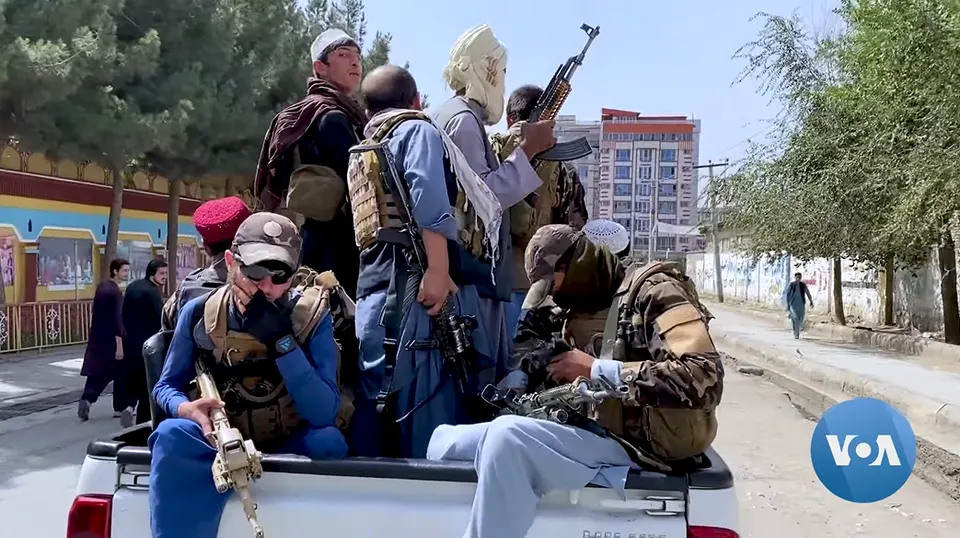
The deadly consequences of a 2022 data breach by the UK Ministry of Defence (MoD) have resurfaced with chilling clarity. Hamid, a former member of the Afghan national police special unit who served alongside British forces, is now living in constant fear after his identity was exposed in an accidental leak that identified over 18,000 Afghans who worked with the UK government. Despite receiving certificates of commendation for his "unparalleled service" and leadership, the UK has repeatedly refused his application for resettlement, leaving him a sitting duck for Taliban reprisals. This situation underscores a growing crisis of accountability where digital negligence in Western capitals translates directly into life-or-death stakes for allies on the ground.
The Taliban's recent threats against Hamid serve as a grim reminder that for many in the region, the war never truly ended; it simply moved into a phase of silent, targeted retribution. The UK government's refusal to provide sanctuary, even after its own officials compromised the safety of these individuals, raises profound ethical questions about the nature of international military partnerships. For observers in Tehran and across the Middle East, this case is being watched as a litmus test for Western reliability—a signal that "loyal service" may not be met with reciprocal protection when the political winds shift.
Escalation in Eurasia: UK Drones and Tehran’s Rhetoric
Geopolitical tensions have reached a new boiling point as UK-made drones were reportedly used for the first time to strike military and industrial targets deep within mainland Russia. This move marks a significant escalation in the conflict, blurring the lines of direct Western involvement and challenging the traditional boundaries of proxy warfare. While London maintains its support for defensive operations, the use of British technology on Russian soil provides Moscow with a potent narrative of external aggression, potentially reshaping diplomatic alignments across Eurasia.
In response to the shifting global landscape, Tehran has been quick to capitalize on the perceived contradictions in Western policy. The Iranian Foreign Ministry recently criticized the Trump administration for what it termed "hypocrisy," pointing to Trump’s prioritization of military expansion over social spending. From Tehran's perspective, the focus on military dominance in Washington, combined with the active deployment of high-tech weaponry in the Ukraine-Russia theater, validates the Islamic Republic's long-standing skepticism of Western humanitarian claims. This rhetoric aims to consolidate domestic support by framing Iran as a rational actor in an increasingly volatile and hypocritical global order.

The Oil Paradox: Why Prices Aren't Moving Higher
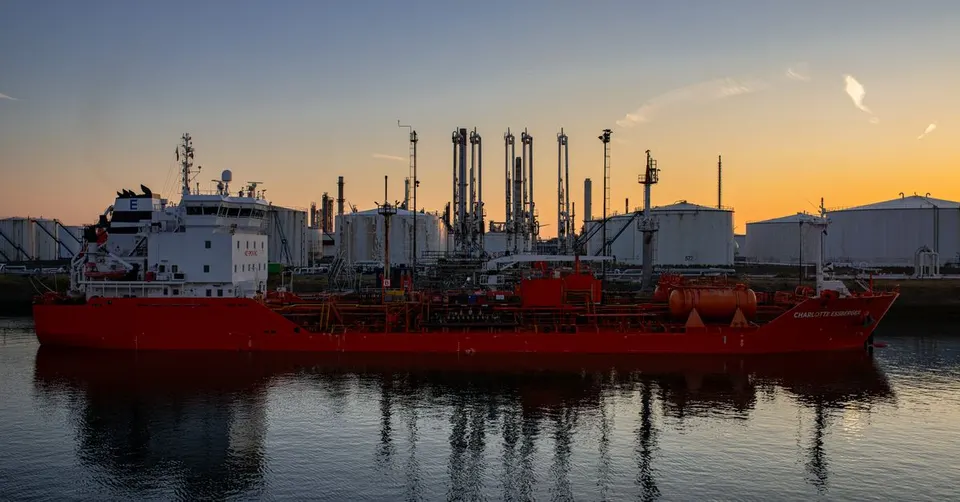
Despite the clear escalatory signals in Eastern Europe and the Middle East, the global oil market is behaving in a way that defies traditional geopolitical logic. Usually, a drone strike on a major energy producer like Russia would send Brent and WTI crude prices soaring. However, current data suggests that the world simply does not want as much oil as it used to. Structural shifts in the global economy—including the aggressive pivot toward renewable energy in Europe and cooling industrial demand in China—have created a ceiling that geopolitical risk can no longer easily shatter. This "demand destruction" is proving to be a more powerful force than the threat of supply disruptions.
For the Iranian market, this stability in oil prices has direct implications for the Toman. In the last 24 hours, the USD/IRR exchange rate saw a slight decrease, with the USD sell rate moving from 186,900 to 186,400 Toman, a minor -0.3% shift. Meanwhile, gold prices remained remarkably flat, with 18k gold holding steady at 19,063,668 Toman per gram. This suggests that while geopolitical noise is loud, the underlying economic reality is one of cautious stagnation. Investors are no longer reacting impulsively to every headline, instead waiting for more concrete signals of long-term economic shifts or major policy changes from Washington.
Crypto’s Security Crisis and the TradFi Merge
In the digital asset space, the "Wild West" era is facing a reality check as DefiLlama, a leading data provider, was forced to delay its mobile launch due to a surge in phishing apps on the Apple Store. The founder reported that fake apps were successfully draining funds from user wallets, highlighting a massive security gap in mobile ecosystems that tech giants like Apple have yet to fully close. This incident serves as a cautionary tale for the growing number of Iranian crypto users who rely on mobile platforms for trading and asset management; the threat is no longer just market volatility, but sophisticated digital theft embedded in trusted app stores.
Simultaneously, the narrative of "Bitcoin vs. the Bankers" is rapidly evolving into a partnership. Traditional finance (TradFi) giants are no longer fighting digital assets but are instead building the infrastructure to integrate them. As Michael Saylor recently described Bitcoin as "digital monetary energy," the entry of institutional capital is providing a floor for prices, with BTC currently trading around $63,012. This institutionalization means that crypto is becoming less of a fringe speculative tool and more of a core component of the global financial system, though this transition brings with it the very centralized regulations that early crypto enthusiasts sought to escape.
Frequently Asked Questions
Why did the UK Ministry of Defence leak happen and who is affected?
Why aren't oil prices rising despite the use of UK drones in Russia?
Is it safe to use crypto apps on the Apple Store following the DefiLlama report?
Understanding Geopolitical Risk in a Volatile World
In an increasingly interconnected yet fractured world, Geopolitical Risk stands as a critical concept for understanding global events, from economic fluctuations to national security challenges. At its core, geopolitical risk refers to the potential for disruptions to international relations, trade, and stability arising from political events, conflicts, power shifts, or even information warfare between states and non-state actors. These risks can manifest in various forms, impacting everything from commodity prices and currency exchange rates to the safety of individuals and the integrity of national defense.
The headlines and keywords provided offer a stark illustration of these risks. A `UK MoD leak` highlights the vulnerability of sensitive information, turning data itself into a weapon and a source of geopolitical instability. The tragic `Taliban threats against Afghan police` exemplify the direct human cost when such information falls into hostile hands, a direct consequence of shifting geopolitical landscapes and the weaponization of intelligence. Meanwhile, `UK drones striking Russia` underscores the reality of ongoing international conflicts and proxy confrontations, where military actions directly reflect heightened geopolitical tensions.
Economically, geopolitical risk traditionally has a profound impact. The `USD to IRR exchange rate` is a prime example, often reflecting the severe economic pressures and isolation imposed by international sanctions, a direct tool of geopolitical leverage. While geopolitical events typically send ripples through global markets, particularly affecting commodity prices, the mention of `oil price stagnation` defying geopolitical gravity is particularly intriguing. This suggests that despite significant global tensions, other market forces—perhaps robust supply, concerns over `global energy demand shift`, or broader economic trends—are currently outweighing the usual upward pressure that geopolitical instability often places on oil prices.
Understanding geopolitical risk is therefore essential for more than just policymakers; it's crucial for businesses navigating global supply chains, investors assessing market volatility, and citizens trying to make sense of a complex world. The rise of cyber threats, information leaks, and the interplay between traditional military power and economic leverage means that geopolitical risk is not only ever-present but also constantly evolving, demanding continuous analysis and adaptation from all actors on the global stage.
Topics
Related Articles