Deepfake AI Scams Drain Millions as Ackman’s $5B Fund Faces Investor Skepticism
کلاهبرداریهای میلیونی با هوش مصنوعی دیپفیک؛ بحران اعتماد در صندوق ۵ میلیارد دلاری بیل اکمن
Australian authorities warn of a $7.4 million loss due to AI-generated scams featuring PM Anthony Albanese, while billionaire Bill Ackman's massive fund trades at a 20% discount. In Tehran, officials pledge international legal action over a school strike as the Toman holds steady.
At time of publishing
USD
186,500
Toman
Gold 18K
19.05M
Toman / gram
Bitcoin
$63,035
US Dollar
Tether
185,847
Toman
The Rise of the Deepfake Economy: Australia’s $7.4 Million Wake-Up Call
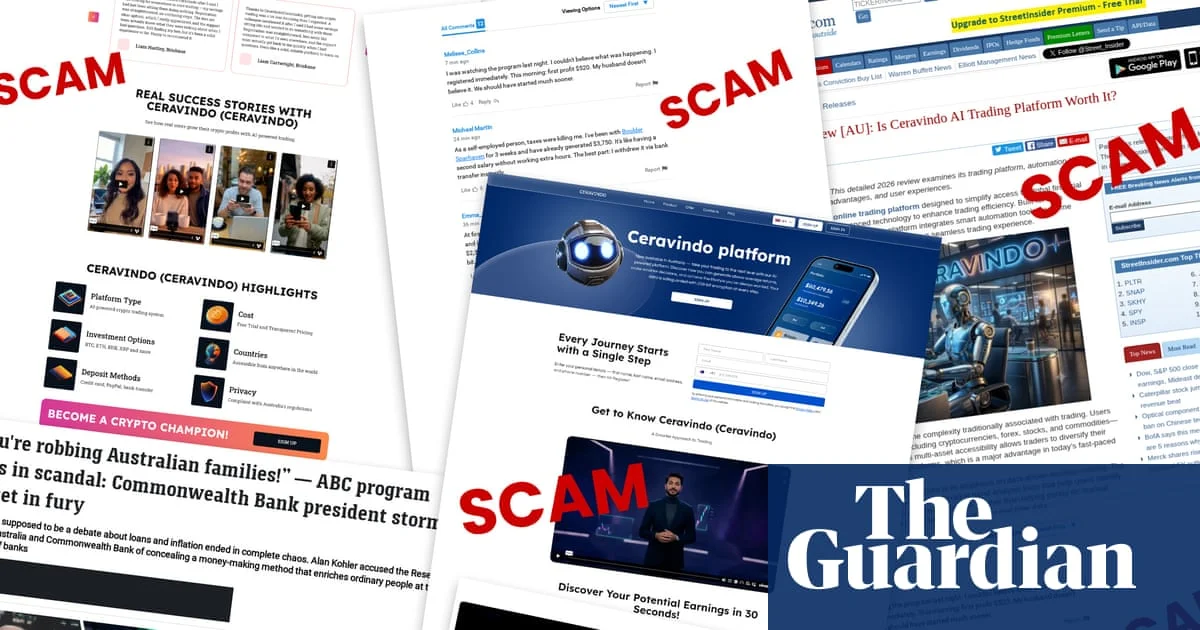
The digital frontier has become significantly more dangerous as the Australian Securities and Investments Commission (Asic) issued a stark warning regarding the proliferation of AI-generated deepfakes. Scammers have successfully leveraged high-fidelity video and audio of Prime Minister Anthony Albanese to lure unsuspecting investors into fraudulent schemes, resulting in a documented loss of over $7.4 million. This represents a paradigm shift in cybercrime, where the perceived authority of a nation's leader is weaponized to bypass the natural skepticism of retail investors.
What makes this development particularly alarming is the accessibility of the technology used. Sophisticated generative AI tools can now replicate a politician's cadence, tone, and facial micro-expressions with frightening accuracy. Asic's report highlights that these deepfakes are often embedded in social media advertisements, promising "guaranteed returns" on government-backed or celebrity-endorsed investment platforms. For the average citizen, distinguishing between a legitimate policy announcement and a synthetic fabrication is becoming nearly impossible without specialized verification tools.

This trend serves as a global warning for financial regulators. As AI continues to evolve, the traditional methods of verifying identity and authority are failing. The incident in Australia is not an isolated case but a harbinger of a broader trend where synthetic media is used to destabilize trust in financial institutions and government leadership alike. Investors are urged to exercise extreme caution, especially when confronted with high-pressure investment opportunities that appear too good to be true, regardless of the face attached to the message.
Market Realities: Bill Ackman’s Fund Struggles Amid S&P 500 Surge
In the world of high finance, billionaire Bill Ackman is facing a humbling reality as his $5 billion investment vehicle trades at a staggering 20% discount to its Net Asset Value (NAV). Despite a broader market rally that has seen the S&P 500 reach new heights, investors appear increasingly reluctant to pay a premium for active management. This disconnect highlights a growing skepticism toward high-fee structures in an era where low-cost index funds consistently outperform many of the world's most famous hedge fund managers.
The 20% gap between the fund's market price and the value of its underlying assets suggests that the market is pricing in a "complexity discount" or perhaps a lack of confidence in Ackman's current strategy. When a fund trades significantly below its NAV, it often indicates that shareholders are eager to exit, but the lack of liquidity or the burden of high management fees prevents the price from reflecting the true value of the holdings. For Ackman, who has long championed his ability to generate alpha through concentrated bets, this market signal is a direct challenge to his prestige.
For retail and institutional investors, this scenario serves as a case study in the risks of celebrity-driven investing. Even the most successful managers can find themselves out of sync with market sentiment. As the S&P 500 continues its upward trajectory, the pressure on active managers to justify their existence—and their fees—is reaching a breaking point. If the discount persists, it may force structural changes or even a liquidation of assets to return value to disgruntled shareholders.
Tehran Pledges Legal Action as Toman Markets Remain Resilient
Geopolitical tensions have taken a legal turn as the Iranian government, through its interest protection office in Egypt, announced its intention to pursue international legal action against the United States. The claim centers on an alleged attack on a school in Minab, which Iranian state media reports resulted in casualties. While official statements from Tehran emphasize the use of "all diplomatic and legal capabilities" to address the incident, the move is seen by analysts as part of a broader strategy to exert pressure on Washington through international forums and multilateral organizations.
Despite the heated rhetoric and the gravity of the claims, the domestic currency market in Iran has shown remarkable stability over the last 24 hours. The USD/IRR exchange rate moved slightly from 186,900 to 186,500, representing a minor -0.2% decrease in the value of the dollar. This suggests that the market has largely priced in the ongoing friction between Tehran and Washington, focusing instead on internal liquidity and the central bank's management of the currency corridor. Gold prices followed a similar pattern of stagnation, with 18k gold remaining virtually unchanged at 19,054,434 Toman per gram.

The divergence between the intensity of diplomatic statements and the relative calm of the markets is a recurring theme in the current economic climate. While the government focuses on international litigation and diplomatic victories—such as the Islamabad Memorandum of Understanding mentioned by Speaker Ghalibaf—the average Iranian trader remains focused on the immediate supply and demand of hard currency. This stability, however, remains fragile and highly sensitive to any actual escalation in regional military activity or new rounds of economic sanctions.
Frequently Asked Questions
How can I protect myself from AI deepfake investment scams?
Why is Bill Ackman's fund trading at such a high discount to its NAV?
What is the impact of the Minab school incident on the Toman exchange rate?
Deepfake Scams: The Erosion of Trust and Financial Security
Deepfakes are sophisticated media, primarily audio and video, generated by artificial intelligence that convincingly mimic the voice, appearance, and mannerisms of real individuals. While the technology initially gained traction for entertainment purposes, its malicious application in scams has rapidly become a significant threat, leveraging AI's power to create highly convincing, yet entirely fabricated, content.
These AI-generated forgeries are weaponized in various financial scams. Criminals use deepfakes to impersonate high-ranking executives, tricking employees into authorizing fraudulent wire transfers in what's known as 'CEO fraud.' They also target individuals by mimicking trusted contacts to solicit sensitive personal information, or by creating fake endorsements for dubious investment schemes. The advanced nature of deepfake technology makes these scams incredibly difficult to detect, often leading to substantial financial losses, as highlighted by the 'millions drained' in recent incidents.
The broader economic and societal implications of deepfake scams extend far beyond immediate financial losses. They profoundly erode trust in digital media, public figures, and even established financial institutions. This pervasive distrust can fuel investor skepticism, as individuals and institutions become increasingly wary of online information and unsolicited communications, impacting market confidence and raising the overall cost of verifying information and transactions. The very foundation of digital interaction, built on presumed authenticity, is undermined.
Combating this evolving threat requires a multi-faceted approach. Regulatory bodies, such as ASIC in Australia, are issuing warnings and guidelines, but the rapid advancement of AI necessitates constant vigilance from individuals. It's crucial for both organizations and the public to adopt robust verification protocols, critically assess unsolicited communications, and be aware of the tell-tale signs of manipulated media to protect against these sophisticated attacks on financial security and public trust.
Topics
Related Articles