Ukraine Launches Record Drone Swarm on Moscow as Iran Places $30,000 Bounty on US Troops
بزرگترین حمله پهپادی اوکراین به روسیه؛ جایزه ۳۰ هزار دلاری ایران برای شکار سربازان آمریکایی
Kyiv has initiated its largest aerial offensive of 2026, sending over 1,400 drones toward Russian targets, while Tehran escalates regional tensions with a provocative bounty on US military personnel.
At time of publishing
USD
186,500
Toman
Gold 18K
19.05M
Toman / gram
Bitcoin
$63,273
US Dollar
Tether
186,471
Toman
The Largest Drone Offensive of 2026 Hits Russia
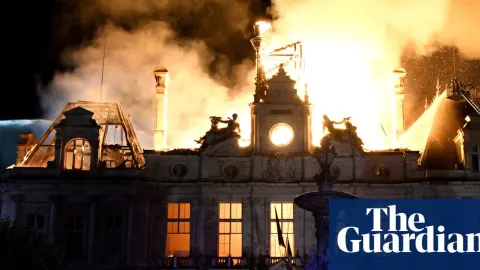
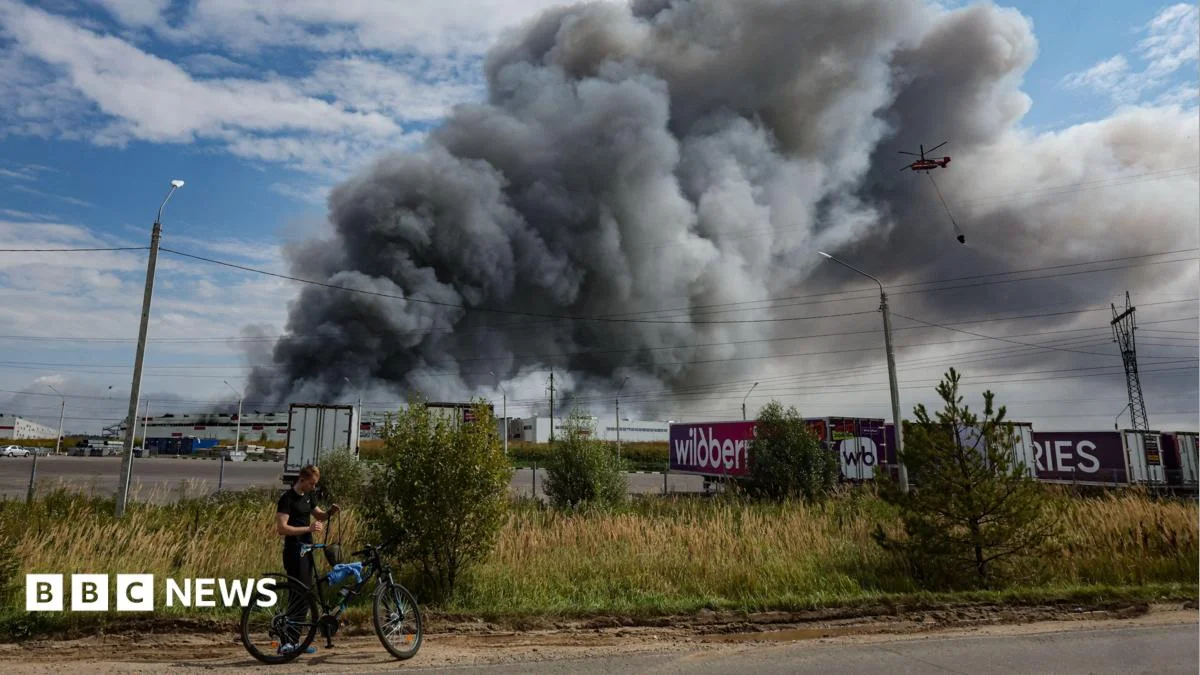
The Russo-Ukrainian conflict has entered a devastating new phase this Sunday, as Kyiv launched what military analysts are calling the largest drone swarm attack since the war began. According to official reports from Moscow, Ukrainian forces deployed a staggering 1,478 drones in a single 24-hour window, targeting critical infrastructure and distribution warehouses near the Russian capital. While the Russian Ministry of Defense claims to have intercepted the vast majority of these projectiles, the sheer volume of the attack succeeded in sparking massive fires and causing at least seven fatalities on Russian soil. This escalation marks a strategic shift for Ukraine, moving from localized defense to a doctrine of "aerial saturation" intended to overwhelm Russian air defense systems and bring the cost of the war directly to the Russian heartland.
In immediate retaliation, Russia conducted a series of deadly strikes across 13 separate locations within Ukraine, including the capital, Kyiv. These strikes resulted in at least seven Ukrainian deaths and significant damage to residential and industrial sectors. For global observers and market participants, this "tit-for-tat" escalation signals that the conflict is far from a stalemate. Instead, it is evolving into a high-tech war of attrition that continues to threaten global energy stability and supply chains. The psychological impact of drones reaching the outskirts of Moscow has already begun to ripple through international sentiment, keeping safe-haven assets like gold—currently trading at $4,377 per ounce—near record highs as investors brace for further volatility.
Tehran’s Provocative Bounty and Military Restructuring
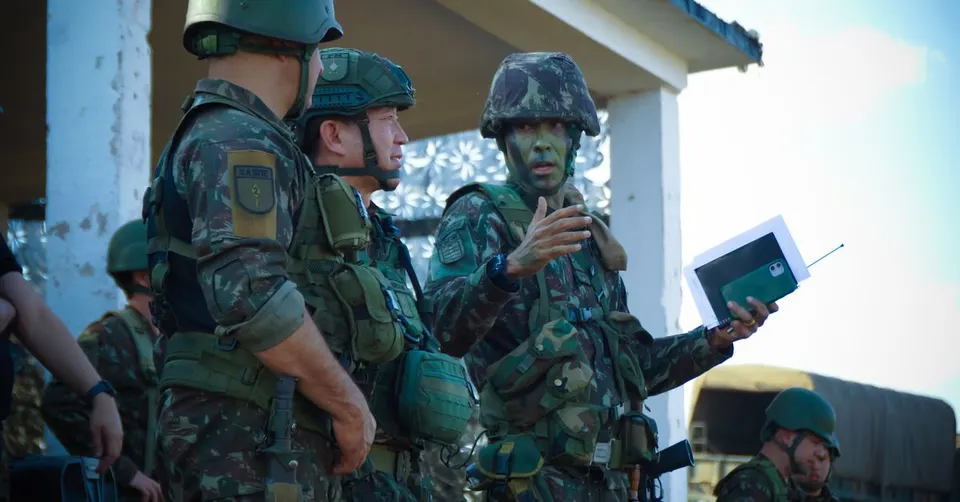
In a move that has sent shockwaves through diplomatic channels, the Iranian military announced on Sunday a bounty of $30,000 for the killing or capturing of United States soldiers. Adding a peculiar and highly provocative layer to the announcement, officials stated that the reward would be doubled to $60,000 if the act is carried out by a woman. This rhetoric comes at a time when there are no officially acknowledged US ground deployments within Iran, save for a specialized rescue mission reported back in April. Analysts suggest this move is less about immediate tactical gain and more about psychological warfare, aimed at increasing the perceived risk for US personnel operating in the broader Middle East and signaling a hardline stance to domestic supporters.
Compounding this aggressive posture, Tehran has also seen a significant reshuffling of its high-level military leadership. Mohsen Rezaei, Secretary of the Supreme National Security Council, recently praised the appointment of six senior commanders to key positions within both the Army and the Islamic Revolution Guards Corps (IRGC). This restructuring is framed by the state as a necessary step to bolster the country’s "defense capabilities" in the face of external threats. However, when viewed alongside the $30,000 bounty and Yemen’s recent warnings to Saudi Arabia against turning the region into a battlefield, a clearer picture emerges of a coordinated effort by the Iranian establishment to project power and deter Western influence through asymmetric threats.
Market Resilience Amid Geopolitical Turbulence
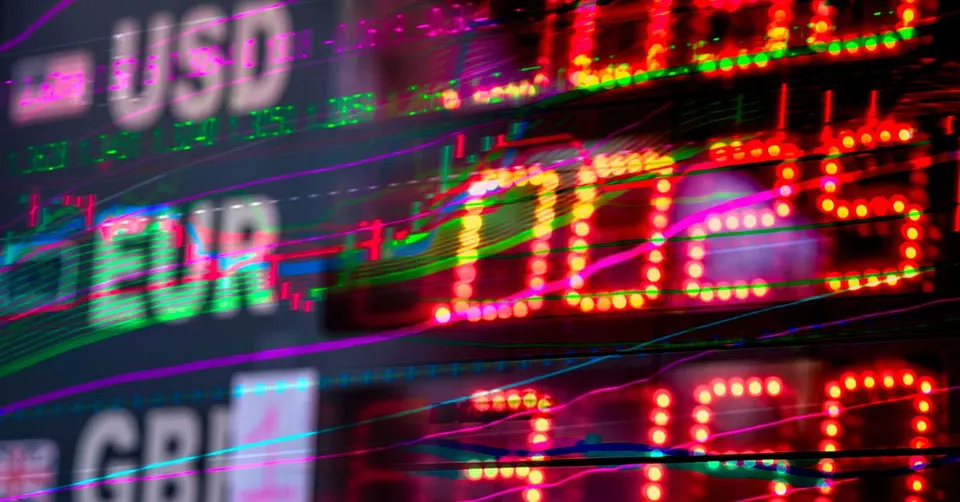
Despite the alarming headlines from the frontlines of the Ukraine war and the provocative statements from Tehran, the Iranian domestic market has shown a surprising degree of short-term stability. The US Dollar (USD) sell rate in Tehran’s open market moved from 186,900 to 186,500 Toman, marking a slight decrease of 0.2% over the last 24 hours. Similarly, the price of 18-karat gold saw a marginal dip from 19,063,668 to 19,045,200 Toman per gram. This relative calm suggests that local traders have become somewhat desensitized to regional saber-rattling, or perhaps they are awaiting more concrete economic data before committing to a larger directional move. The Emami coin remains unchanged at 189,000,000 Toman, reflecting a wait-and-see approach among major gold holders.
On the international stage, the focus remains on how these geopolitical risks will intersect with broader economic trends. For instance, while high-level conflicts dominate the news, retail investors and retirees are increasingly concerned with long-term capital preservation. In the US, the discussion around 401(k) to Roth conversions is gaining traction as individuals with significant savings—such as the $1.2 million portfolios often held by retired professionals—evaluate their tax exposure in an uncertain future. Whether in Tehran or New York, the underlying theme is a search for security. As the Toman remains tethered to the whims of regional stability, the global economy continues to grapple with the "trillion-dollar problem" of funding the AI boom while maintaining traditional infrastructure in a world increasingly defined by conflict.
Frequently Asked Questions
Why is the current Ukrainian drone attack considered significant compared to previous ones?
What is the context behind Iran's $30,000 bounty on US soldiers?
How has the Toman reacted to these major geopolitical escalations?
Understanding Geopolitical Risk
Geopolitical risk refers to the potential for political events, conflicts, or international tensions to disrupt global stability and, consequently, financial markets and economic activity. It encompasses a wide range of scenarios, from interstate wars and regional conflicts to political instability within nations, terrorist acts, or significant shifts in international relations. The core characteristic of geopolitical risk is the uncertainty it introduces, making it difficult for investors, businesses, and governments to predict future outcomes and plan effectively.
When geopolitical tensions escalate, as seen with the Ukraine-Russia conflict or heightened friction in the Middle East, investors often react by re-evaluating their portfolios. This frequently triggers a "flight to safety," where capital moves away from riskier assets like emerging market stocks or volatile currencies and into perceived safe havens. Gold, historically a store of value, typically sees its price rise during such periods, as do stable reserve currencies like the U.S. dollar, which is often considered a safe bet during global turmoil.
Conversely, currencies of nations directly involved in or heavily impacted by geopolitical events tend to depreciate. The Toman's exchange rate against the USD, for instance, can be significantly influenced by regional instability or international sanctions, reflecting a diminished global risk appetite for investments in such areas. Events like drone attacks on major cities or threats against international personnel amplify this risk perception, leading to increased market volatility and a cautious stance from investors worldwide. Understanding geopolitical risk is crucial for comprehending why global markets react the way they do to political headlines.
Topics
Related Articles