Oil Majors Reap $93B Windfall from Hormuz Blockade as Brazil’s Lula Faces a Bolsonaro Dynasty Challenge
سود ۹۳ میلیارد دلاری غولهای نفتی از انسداد هرمز؛ تقابل دوباره لولا و خاندان بولسونارو در برزیل
Global oil giants report record profits as the Strait of Hormuz remains restricted, while Brazil's Lula launches a high-stakes campaign against Flávio Bolsonaro. Meanwhile, the Toman remains stable despite a new diplomatic spat between Tehran and Ottawa.
At time of publishing
USD
186,450
Toman
Gold 18K
19.07M
Toman / gram
Bitcoin
$63,149
US Dollar
Tether
186,400
Toman
The $93 Billion War Dividend
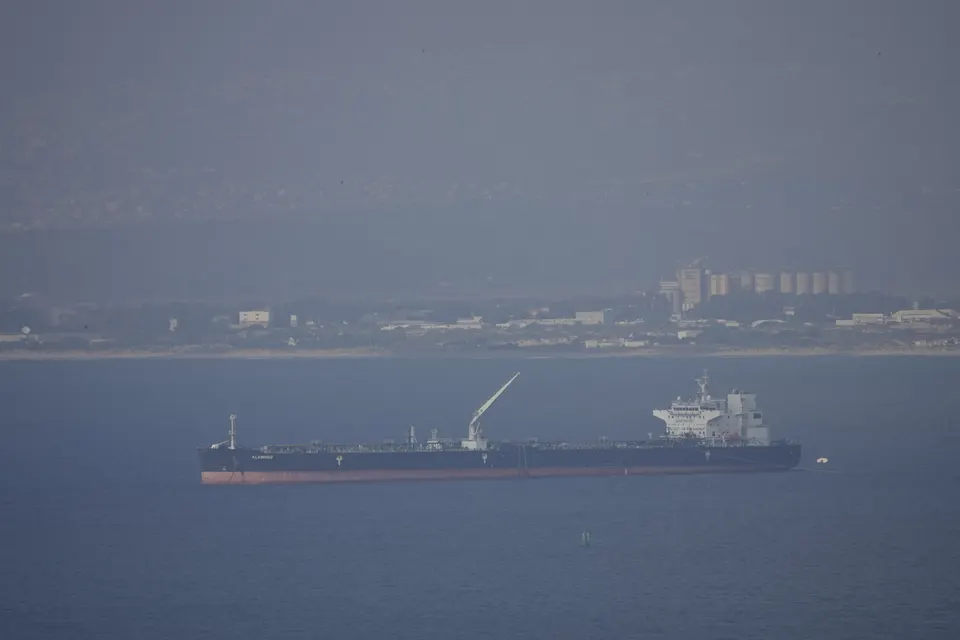
Global energy markets are witnessing a staggering divergence as the world’s largest oil companies report a collective windfall of $93 billion in the first half of 2026. This surge in profitability is directly attributed to the ongoing military tensions involving Iran and the subsequent, nearly total closure of the Strait of Hormuz. As one of the world's most critical energy chokepoints remains restricted, the resulting supply shock has kept Brent crude prices at elevated levels, allowing majors like Exxon, Shell, and BP to reap record earnings. This "war premium" has become a permanent feature of the global economy, effectively transferring wealth from energy consumers to the producers who are able to bypass the Gulf’s logistical nightmare.
For the Iranian economy, the situation is paradoxically complex. While global prices are high, the physical difficulty of moving barrels through a contested or closed waterway limits the state's ability to fully capitalize on these prices. Turkish President Recep Tayyip Erdogan has recently amplified calls for the reopening of the Strait, highlighting the immense pressure on regional economies that are currently drowning in high shipping costs and energy-led inflation. For the average reader, this means that while the Toman might appear stable in the short term, the underlying cost of imported goods is being driven higher by a global energy crisis that shows no signs of abating.
Brazil’s Battle for the Future: Lula vs. the Dynasty
In South America, the political landscape is reaching a boiling point as 80-year-old President Luiz Inácio Lula da Silva officially launches his campaign for a historic fourth term. His opponent this time is not his old nemesis Jair Bolsonaro—who remains legally barred from office—but his son, Flávio Bolsonaro. Addressing a massive crowd in São Bernardo do Campo, the cradle of his political career, Lula framed the upcoming October election as a fundamental choice between democracy and the "shameless" far-right. He vowed that as long as he lives, he will fight to prevent a return to the chaos that characterized the previous Bolsonaro administration.
This election carries significant weight for Iran’s geopolitical strategy. Brazil is a cornerstone of the BRICS+ alliance, and a shift back toward the right under a Flávio Bolsonaro presidency could lead to a pivot toward Washington and a cooling of relations with Tehran. Under Lula, Brazil has maintained a policy of multi-polar engagement, which has provided Iran with a crucial diplomatic and economic bridge to Latin America. A change in leadership in Brasília could disrupt trade agreements and weaken the collective bargaining power of the global south against Western sanctions regimes.
The "Farm Team" Diplomacy and Market Stasis
Diplomatic relations between Tehran and Ottawa have hit a new low this hour, with Iran’s Foreign Ministry spokesperson, Esmaeil Baqaei, dismissing Canada as a mere "farm team" for the United States. The biting rhetoric follows Canada’s increased military coordination with Washington in the Middle East. Baqaei’s comments suggest that Tehran has written off Canada as a sovereign diplomatic actor, viewing its policies as entirely dictated by American strategic interests. This hardening of positions makes any future easing of sanctions or consular improvements for the Iranian diaspora increasingly unlikely.

Despite this geopolitical noise, the Iranian domestic market has remained surprisingly calm. The USD sell rate stood at 186,450 Toman, reflecting a minor 0.2% decrease from the previous day's 186,900. Gold 18k and the Emami coin have remained virtually flat, suggesting that traders have already priced in the current level of regional tension. Meanwhile, in the crypto sector, Bitcoin is currently coiling below the $64,000 resistance level. For those holding USDT (currently at 186,400 Toman), the market is in a "wait-and-see" mode, looking for a clear signal from either the energy sector or a potential breakthrough in the Hormuz blockade to determine the next major move.
Frequently Asked Questions
Why are oil companies making record profits during the Hormuz crisis?
How does the Brazilian election impact Iran?
Is the Toman expected to remain stable despite the diplomatic row with Canada?
The Strategic Importance of the Strait of Hormuz and Its Impact on Global Oil Prices
The Strait of Hormuz, a narrow 21‑mile waterway between Iran and Oman, is one of the world’s most critical chokepoints for petroleum. Roughly a fifth of daily global oil trade—about 20 million barrels—passes through the strait, meaning any disruption can instantly reverberate through international markets. Because the route is so tightly constrained, even brief threats of closure, such as naval drills, missile launches, or political blockades, trigger sharp spikes in spot prices as traders price in the risk of supply shortages.
Historically, the strait’s vulnerability has been a lever in geopolitical negotiations. During the 2012 and 2019 tensions between Iran and the United States, the mere prospect of a shutdown sent Brent crude above $100 per barrel, prompting oil majors to record windfall profits. These windfalls arise when companies’ cost bases remain stable while market prices surge, allowing them to capture extraordinary margins on each barrel sold. The phenomenon underscores why investors watch Hormuz‑related headlines so closely.
The mechanics of price transmission are straightforward yet powerful. A perceived risk of reduced flow reduces the effective global supply, shifting the supply curve leftward. In a market where demand is relatively inelastic—consumers cannot quickly switch away from oil—prices rise sharply. The resulting higher revenues boost the profitability of integrated oil majors, but they also raise fuel costs for consumers, amplify inflationary pressures, and can deepen a global energy crisis, especially when combined with other supply shocks such as sanctions on Iran or production cuts by OPEC+.
For policymakers, the lesson is twofold: maintaining the security of the Hormuz corridor is essential for price stability, and diversifying energy sources can mitigate the shock‑absorbing role that a single chokepoint plays in the world economy. As the 2026 election in Brazil and the evolving BRICS‑Iran partnership reshape global trade patterns, the strategic calculus surrounding Hormuz will remain a pivotal factor in the energy landscape.
Topics
Related Articles