Iran-Qatar Pilot Dispute Ignites Regional Tension as Goldman Sachs Rules Out September Fed Hike
تنش دیپلماتیک تهران و دوحه بر سر خلبانان بازداشتی؛ گلدمن ساکس احتمال افزایش نرخ بهره را رد کرد
Iran claims Qatar has been holding its pilots since March following a jet downing, a claim Doha flatly denies. Meanwhile, Goldman Sachs boosts crypto sentiment by dismissing a September Fed rate hike, while the Iranian Toman remains steady at 186,500.
At time of publishing
USD
186,500
Toman
Gold 18K
19.12M
Toman / gram
Bitcoin
$63,369
US Dollar
Tether
185,743
Toman
The Mysterious Case of the Missing Pilots: Iran and Qatar at Odds
A diplomatic storm is brewing in the Persian Gulf as the Iranian government officially claims that Qatar has been holding several of its pilots since early March. According to reports attributed to Iranian officials, the airmen were allegedly detained after their fighter jets were shot down under circumstances that remain murky. This claim, however, has been met with a swift and total denial from the Qatari government, which insists it is not holding any Iranian military personnel. The timing of this revelation is particularly sensitive, given the usually pragmatic—if not cooperative—relationship between Tehran and Doha, often serving as a backchannel for Western negotiations.

For the Iranian public and regional observers, this development signals a potential fracture in one of Iran's few stable regional partnerships. If the claims are substantiated, it suggests a significant intelligence or military failure that has been kept under wraps for months. Conversely, if the claims are a fabrication or a result of internal misinformation, it points to a chaotic communication strategy within the Iranian defense apparatus. For the markets, such geopolitical friction typically exerts upward pressure on the US Dollar as a safe-haven asset, though the Toman has shown remarkable resilience in the last 24 hours, holding at 186,500 Toman per USD.
Commemorating History Amidst New Captivity Claims
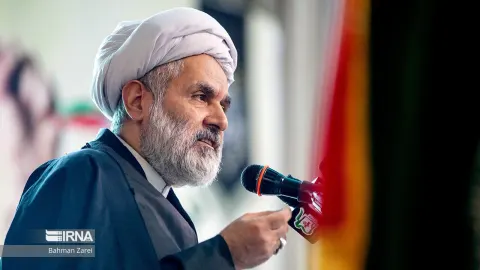
While the government grapples with the current pilot controversy, Monday marks the 36th anniversary of the return of thousands of Iranian war captives from Iraq. This historical milestone commemorates the repatriation of soldiers held by the Baath regime during the 1980s. State-run media, including IRNA, have used the anniversary to bolster nationalist sentiment, highlighting the resilience of those who survived years in Iraqi prisons. However, the celebration is overshadowed by recent reports from the New York Times suggesting that the Supreme Leader’s office is doubling down on a "war footing" by appointing hard-line loyalists to key positions.

This shift toward a more aggressive domestic and foreign policy stance is a critical factor for investors to monitor. When the leadership signals a preparation for conflict or intensifies its rhetoric of resistance, it often precedes a tightening of social controls and a shift in economic priorities toward self-sufficiency and away from international integration. For the average citizen, this often translates to higher inflation and more volatility in the gold and coin markets. Today, the Emami coin rose from 189,000,000 to 189,500,000 Toman (+0.3%), reflecting a slight but steady demand for physical hedges against uncertainty.
Markets and Crypto: Goldman Sachs Offers a Lifeline to Bitcoin Bulls
In the global financial sphere, Goldman Sachs has provided a much-needed boost to risk assets by stating that a September interest-rate increase by the Federal Reserve is "very unlikely." This assessment stems from softer-than-expected economic data in the United States, which suggests the Fed may have reached the end of its tightening cycle. Bitcoin (BTC) is currently trading at $63,369, benefitting from the renewed hope that liquidity will remain accessible. The crypto market has been sensitive to Fed signals, and any pause or pivot toward rate cuts is generally viewed as a green light for digital assets to resume their upward trajectory.
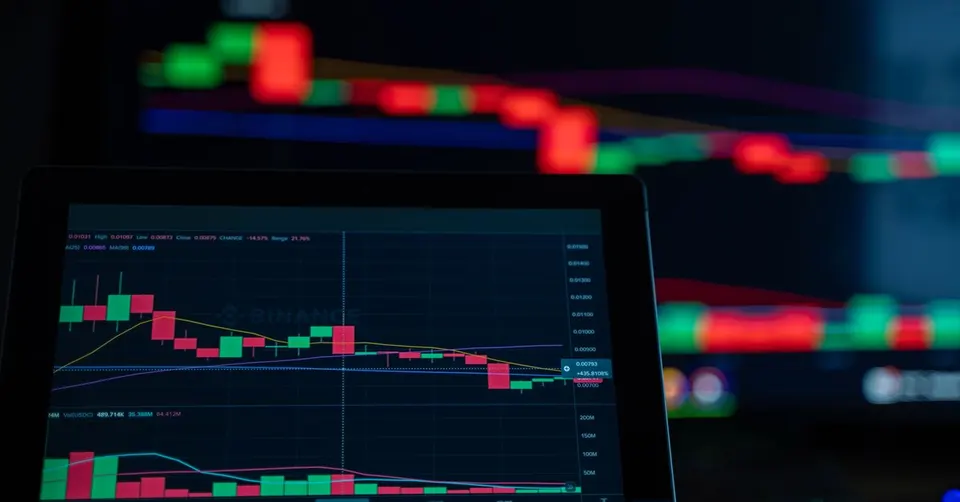
Domestically, the Iranian gold market is mirroring some of this global optimism, albeit tempered by local currency dynamics. Gold 18k per gram moved from 19,065,977 to 19,119,072 Toman (+0.3%). While the USD/IRR pair remained virtually flat at 186,500 Toman, the slight uptick in gold suggests that local buyers are tracking international spot prices, which currently sit at a robust $4,401 per ounce. For those holding Tether (USDT), the price in Toman stands at 185,743, maintaining a narrow spread with the physical dollar, indicating that liquidity in the digital currency space remains stable despite the geopolitical noise.
Global Policy Shifts: From UK Housing to Australian Gambling
Beyond the Middle East, significant policy shifts are taking place in the UK and Australia that highlight how governments are attempting to manage post-pandemic economic realities. In the United Kingdom, the government has announced a "default yes" policy for housebuilding near train stations, aiming to bypass local bureaucratic hurdles to solve the chronic housing shortage. Meanwhile, in Australia, the Labor government is facing criticism for its new gambling ad opt-out register, which some lawmakers argue does not go far enough to protect vulnerable citizens. These moves reflect a global trend of state intervention to stabilize domestic social issues while central banks focus on inflation.
For Iranian observers, these international stories serve as a reminder of the differing tools available to governments with stable currencies versus those under sanctions. While the UK can leverage planning laws to stimulate its economy, Iran remains largely dependent on oil flows and regional diplomacy to manage its fiscal health. Recent reports suggesting Middle East oil flows have rebounded to 15 million barrels per day—a claim disputed by many analysts—highlight the ongoing information war regarding the region's true economic output. As long as these discrepancies exist, the Iranian market will likely remain in a state of cautious observation.
Frequently Asked Questions
Why is the Iran-Qatar pilot dispute significant for the economy?
How does the Goldman Sachs report affect Bitcoin prices in Iran?
Why is gold rising while the US Dollar remains stable in Tehran?
Understanding Currency Value: Geopolitics, Economics, and Your Wallet
A nation's currency value is far more than just a number; it's a critical barometer of economic health, political stability, and investor confidence. When headlines speak of regional tensions, like a "pilot dispute," or global financial forecasts, such as "Goldman Sachs Rules Out September Fed Hike," these events, both local and international, ripple through the financial system, directly influencing the purchasing power of a currency like the Iranian Rial (IRR).
Several key factors drive a currency's value. First, geopolitical stability plays a paramount role. Increased regional tension, as hinted by the Iran-Qatar dispute, can deter foreign investment, increase perceived risk, and potentially lead to capital flight. Investors shy away from uncertainty, preferring to move their assets to safer havens, which weakens the local currency. Conversely, periods of peace and cooperation tend to attract investment, strengthening the currency.
Second, economic fundamentals and monetary policy are crucial. High inflation erodes a currency's purchasing power, making it less attractive. Central banks, through their monetary policy decisions (like setting interest rates), aim to control inflation and stabilize the economy. While the U.S. Federal Reserve's decisions primarily impact the dollar, global interest rate trends and economic forecasts from institutions like Goldman Sachs can indirectly influence investor sentiment and capital flows towards or away from emerging markets, affecting their currencies. Furthermore, a country's trade balance, government debt, and economic growth prospects all contribute to its currency's perceived strength.
Finally, market sentiment and speculation can significantly impact currency values. News, rumors, and expert analyses can trigger rapid shifts in investor behavior. For instance, if investors anticipate further depreciation due to geopolitical risks or domestic economic challenges, they might convert local currency into more stable foreign currencies (like USD) or tangible assets such as gold or "Emami coins." This increased demand for alternatives further pressures the local currency, creating a self-reinforcing cycle of depreciation. Understanding these interconnected drivers is essential for anyone trying to decipher the complex movements of exchange rates.
Topics
Related Articles