Virgin Challenges Eurostar Monopoly While Tehran Rejects New Mediators; USD Ticks Up to 186,800 Toman
چالش ورجین برای انحصار یوروستار و رد میانجیهای جدید توسط تهران؛ دلار به ۱۸۶،۸۰۰ تومان رسید
Virgin Group moves to end the long-standing Channel Tunnel monopoly as Richard Branson eyes 20 daily European trips. Meanwhile, Tehran denies the entry of new mediators in US-Iran talks while the Toman faces slight downward pressure.
At time of publishing
USD
186,800
Toman
Gold 18K
19.14M
Toman / gram
Bitcoin
$63,270
US Dollar
Tether
185,947
Toman
Virgin Group Targets Eurostar’s Channel Tunnel Monopoly
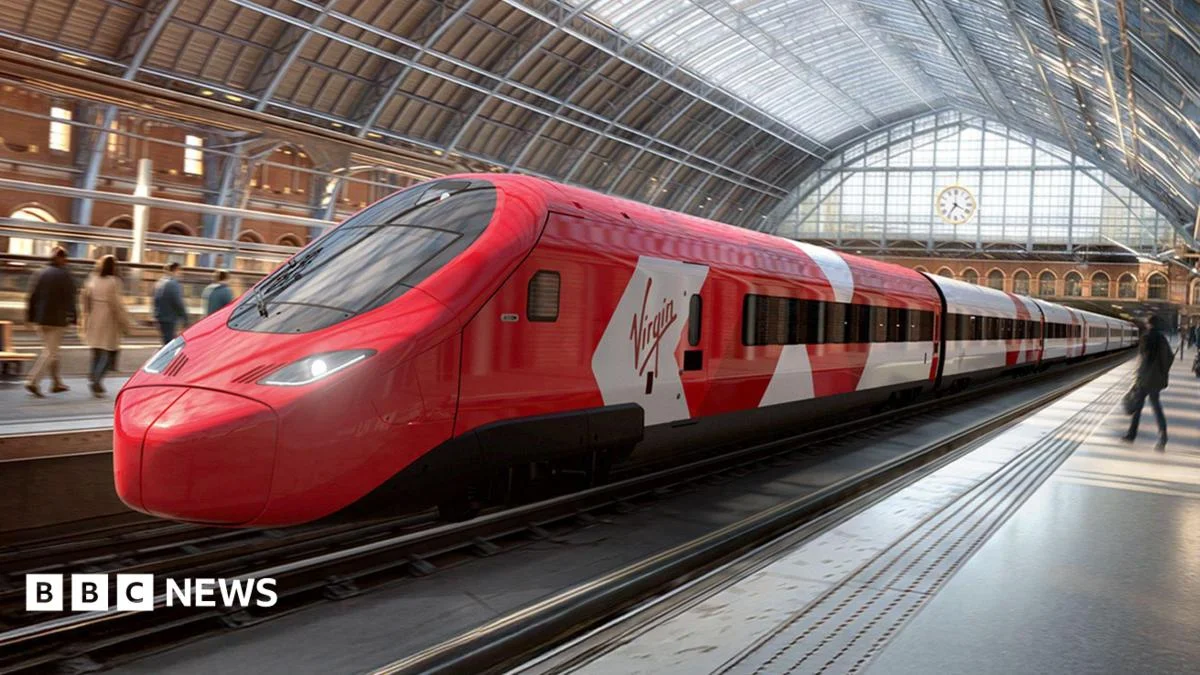
In a move that could fundamentally reshape European travel, Richard Branson’s Virgin Group has taken significant formal steps toward launching a high-speed rail service through the Channel Tunnel. For decades, Eurostar has enjoyed a virtual monopoly on the tracks connecting London to Paris, Brussels, and Amsterdam. Virgin’s proposal involves running up to 20 daily journeys, a scale of competition that has not been seen since the tunnel opened in 1994. However, the path forward is not without hurdles; the firm still requires regulatory approval for overseas tracks, particularly in France and Belgium, where rail infrastructure access is notoriously bureaucratic.
This development is more than just a business expansion; it represents a post-Brexit test of European market liberalization. If Virgin succeeds, travelers could see a dramatic decrease in ticket prices and an increase in service frequency, much like the low-cost carrier boom in the aviation sector. For the broader economy, this signals a renewed appetite for massive cross-border infrastructure projects at a time when European integration is often questioned. Investors are watching closely to see if the UK-based firm can navigate the complex safety and technical standards required for the sub-sea transit, which have historically served as a barrier to entry for smaller competitors.
Trump Scales Back Korea Drills as Diplomatic Security Breaches Hit the UK
In a characteristic shift of military policy, President Donald Trump has ordered the Pentagon to scale back joint military exercises with South Korea, citing his "very good relationship" with North Korean leader Kim Jong-un. Trump described the drills as "inappropriate and hostile," a stance that has reportedly caught regional allies and some military officials off guard. This move is seen as an attempt to maintain a personal diplomatic channel with Pyongyang, though critics argue it weakens the defensive posture of the Seoul-Washington alliance. The decision underscores the administration’s preference for leader-to-leader deal-making over traditional institutional military cooperation.
Simultaneously, a bizarre security breach has surfaced in the United Kingdom involving Greater Manchester Mayor Andy Burnham. Reports indicate that Burnham was targeted by an individual impersonating the White House Chief of Staff, Susie Wiles. While the UK government has declined to comment on the specifics, the incident highlights the increasing sophistication of social engineering attacks targeting high-level politicians. Although no sensitive information was reportedly compromised, the breach raises questions about the security protocols governing communications between US administration officials and their international counterparts during a period of heightened geopolitical sensitivity.

Tehran Rejects New Mediators Amidst Rising Toman and Regional Tensions
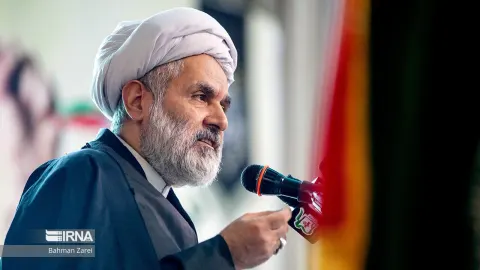
At a press briefing in Tehran, Foreign Ministry spokesperson Esmaeil Baqaei addressed the ongoing speculation regarding a potential breakthrough in Iran-US relations. Baqaei stated that while various European nations have attempted to facilitate communication, there is currently no "new mediator" in the process. This statement appears intended to manage public expectations within Iran, where the domestic market often reacts sharply to rumors of diplomatic shifts. The Ministry’s stance remains one of cautious skepticism, emphasizing that any progress depends on concrete policy changes from Washington rather than the mere presence of third-party facilitators.
While the diplomatic front remains stalled, the Iranian Toman experienced a slight decline in value over the last 24 hours. The USD sell rate moved from 186,450 to 186,800 Toman, a 0.2% increase that reflects persistent inflationary pressures. The gold market saw more pronounced movement, with the Emami coin rising 0.8% to reach 190,500,000 Toman. Beyond the currency markets, the Foreign Ministry also publicly pressured Qatar to clarify the status of three Iranian fighter pilots, suggesting that legal and bilateral mechanisms will be used to resolve the dispute. This combination of economic stagnation and localized regional friction continues to weigh on investor sentiment in the capital.

Ukraine’s Deep Drone Strikes Target Russian Logistics
Ukraine has executed one of its most expansive drone operations to date, striking targets deep within Russian territory, including a major warehouse belonging to the e-commerce giant Wildberries. These attacks mark a significant escalation in Kyiv's strategy to bring the economic costs of the war home to the Russian public and disrupt the logistics chains supporting the front lines. Russian officials reported that while many drones were intercepted, several reached their targets, causing substantial fires and operational disruptions. The use of long-range, domestically produced drones highlights Ukraine's growing autonomy in high-tech warfare despite ongoing debates over Western-supplied weaponry.
For regional observers, particularly in the Middle East, this escalation serves as a reminder of the volatility in the Russia-Iran strategic axis. As Russia focuses more on domestic defense and internal security following these strikes, its capacity to project influence or provide military hardware to its partners may be impacted. The ongoing conflict continues to drive global energy and commodity markets, indirectly influencing the price of imports in Iran. With both sides now targeting civilian-adjacent industrial infrastructure, the war has entered a new, more unpredictable phase that complicates any international efforts at mediation or ceasefire negotiations.
Frequently Asked Questions
Why is Virgin Group entering the Channel Tunnel market now?
What is the status of the Iranian Toman in today's trading?
What did Iran say about new mediators in talks with the US?
Understanding Monopolies and the Power of Competition
The headline "Virgin Challenges Eurostar Monopoly" highlights a fundamental concept in economics: the monopoly. A monopoly exists when a single company or entity is the sole provider of a particular product or service in a market, giving it significant control over pricing, supply, and quality. In the context of the Channel Tunnel, Eurostar has long held a near-monopoly on high-speed passenger rail services connecting the UK with continental Europe, largely due to the unique infrastructure and regulatory environment. This position allows a monopolist to operate without the pressures typically imposed by rivals.
While monopolies can sometimes arise naturally due to high barriers to entry (like the immense cost of building a new rail line or tunnel), they are generally viewed with skepticism by economists and regulators. Without competition, a monopolist faces little incentive to innovate, reduce prices, or improve service quality, as consumers have no alternative. This often leads to higher prices, fewer choices, and potentially stagnant innovation, ultimately harming consumer welfare and hindering overall economic dynamism.
The challenge posed by Virgin Group to Eurostar's dominance is a classic example of how market competition can disrupt a monopoly. When new entrants like Virgin propose alternative services, they introduce competitive pressure. This pressure forces the incumbent monopolist to potentially lower prices, enhance service offerings, or invest in improvements to retain customers. Such competition is beneficial because it typically leads to more affordable options, better quality services, and greater innovation for consumers.
Governments and regulatory bodies often play a crucial role in preventing or breaking up monopolies through anti-trust laws and promoting fair competition. Their aim is to ensure that markets remain competitive, allowing consumers to benefit from choice and efficiency. The prospect of Virgin entering the market suggests a shift towards a more competitive landscape in cross-Channel rail travel, which could ultimately benefit millions of passengers.
Topics
Related Articles