Kushner’s Jerusalem Mission and Aramco’s Hormuz Bypass: A New Geopolitical Map for Iran?
مأموریت کوشنر در قدس و دور زدن هرمز توسط آرامکو؛ نقشه جدید ژئوپلیتیک برای ایران؟
Jared Kushner lands in Jerusalem for a high-stakes Gaza peace push while Saudi Aramco begins offering oil outside the Strait of Hormuz. In Tehran, the Foreign Ministry denies backchannel talks as the Dollar and Gold prices continue their upward climb.
At time of publishing
USD
187,300
Toman
Gold 18K
19.19M
Toman / gram
Bitcoin
$63,601
US Dollar
Tether
185,601
Toman
The Kushner Diplomacy and the Hormuz Bypass
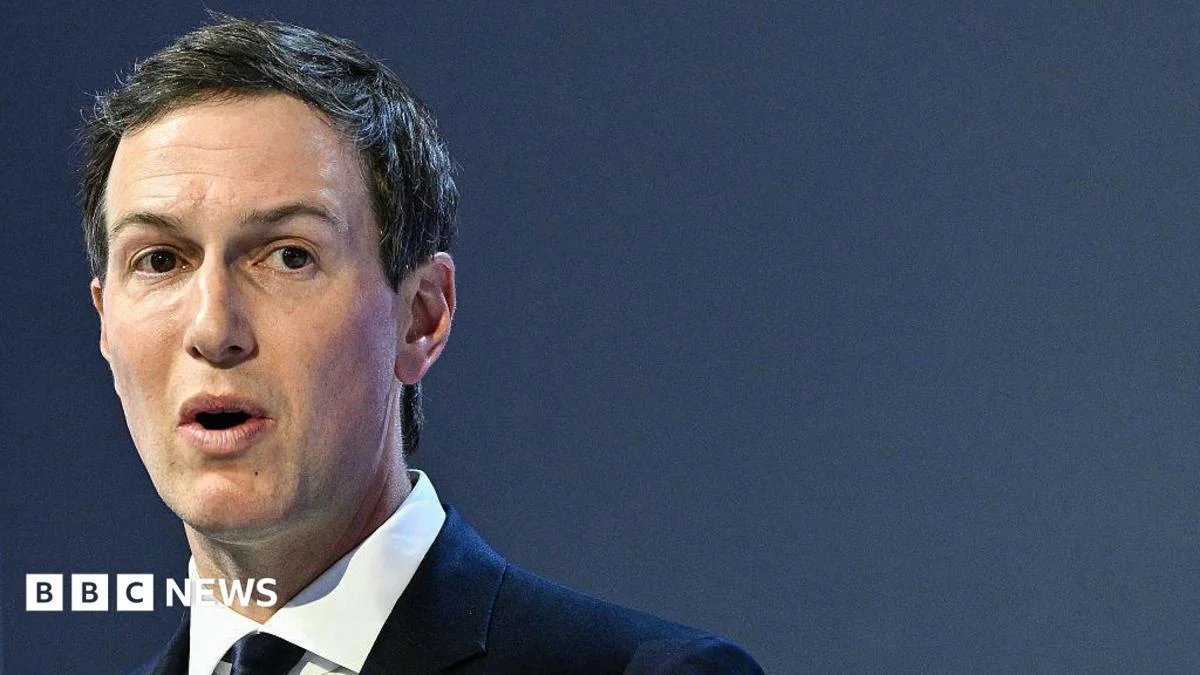
Jared Kushner’s arrival in Jerusalem marks a critical juncture in the Trump administration's Middle East strategy. Following high-level discussions with Hamas representatives, the envoy is now seeking to secure Israeli backing for a comprehensive Gaza peace plan. This diplomatic flurry occurs against a backdrop of firm rhetoric from Donald Trump, who reiterated on Monday that Iran must never be allowed to obtain a nuclear weapon. For Iranian observers, this represents a dual-pressure tactic: the U.S. is engaging regional actors to stabilize the Levant while maintaining a rigid ceiling on Tehran's nuclear ambitions. The lack of direct diplomatic progress between Washington and Tehran continues to fuel uncertainty in regional markets.
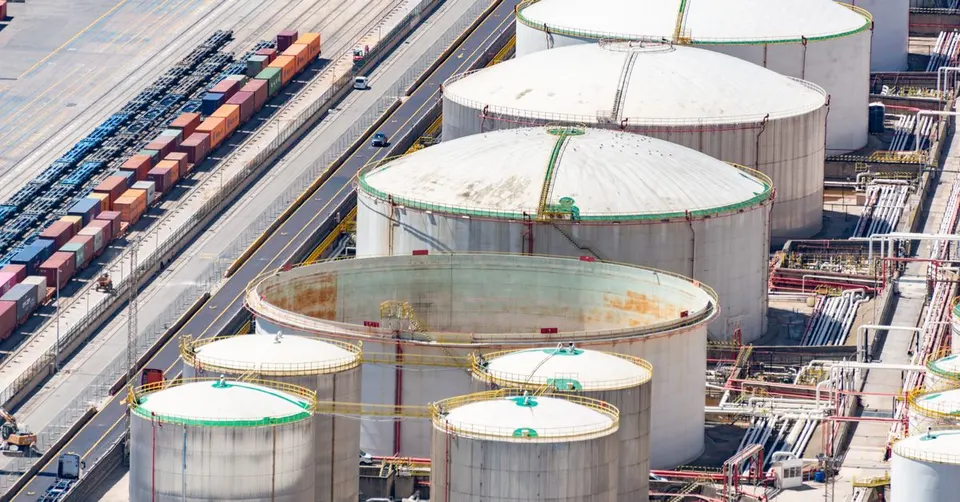
Simultaneously, a strategic bombshell has emerged from the energy sector. Saudi Aramco has begun offering crude oil to some Asian refiners from terminals located outside the Strait of Hormuz. Historically, the Islamic Republic has utilized its proximity to this maritime chokepoint as a primary geopolitical lever, often threatening to disrupt global energy flows during times of tension. If major suppliers successfully normalize bypass routes, Tehran’s ability to use the "Hormuz threat" as a bargaining chip will be significantly diminished. This shift comes just as China’s economic data shows a disappointing 0.6% growth in retail sales, suggesting that global demand for oil—and Iran's primary revenue source—remains under pressure.
Tehran’s Denial and the Domestic Market Reaction
In Tehran, the Foreign Ministry has moved quickly to manage the narrative surrounding recent diplomatic rumors. Spokesperson Esmaeil Baqaei explicitly dismissed reports of "special messages" being delivered during the Pakistani Interior Minister’s visit, as well as what he termed "fabricated" reports of backchannel talks between the United States and the IRGC leadership. Baqaei characterized these stories as a form of psychological warfare intended to create division within the Iranian government's decision-making bodies. However, the domestic markets appear less convinced by these official denials than they are by the lack of tangible de-escalation.

The currency and gold markets reflected this persistent anxiety over the last 24 hours. The USD sell price moved from 186,450 to 187,300 Toman, a 0.5% increase that signals a cautious but steady flight from the national currency. Gold followed a similar trajectory, with 18k gold rising from 19,065,977 to 19,190,636 Toman per gram (+0.7%) and the Emami coin reaching 190,500,000 Toman (+0.8%). This upward movement suggests that despite the government's attempts to project an image of stability and strength, investors are pricing in the risk of continued isolation and the potential for a more confrontational U.S. policy under the current administration.
Global Tech Capex and the Regulatory Hammer
Beyond the immediate geopolitical friction, a broader economic shift is taking place in the technology and crypto sectors. Big Tech giants including Google, Amazon, and Meta have once again raised their capital expenditure (capex) guidance, signaling a massive, long-term commitment to AI infrastructure. This "boring industrial" boom in data centers and power grids is creating a new class of market winners that remain insulated from regional skirmishes. For Iranian tech enthusiasts and investors, this global trend underscores the widening gap between the local economy, hampered by sanctions and infrastructure deficits, and the accelerating pace of the global digital revolution.
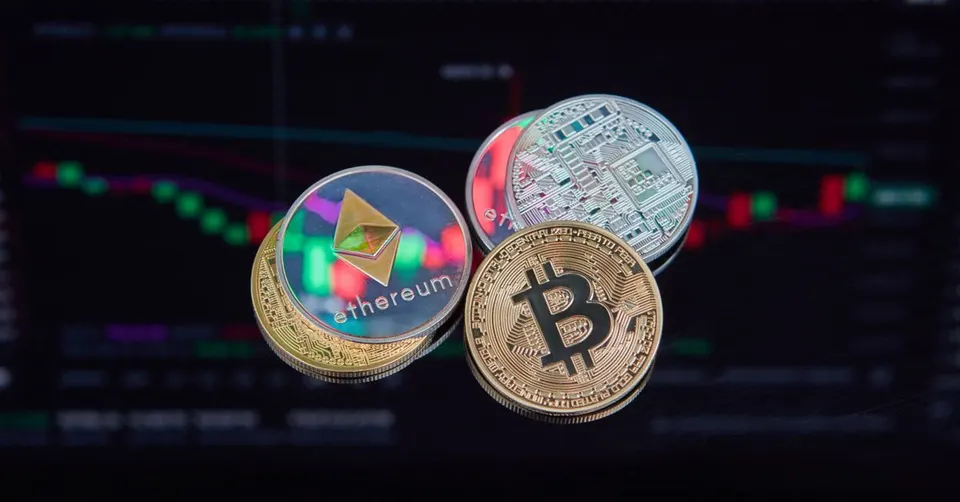
In the digital asset space, regulation is finally showing its teeth. Austria’s financial regulator recently issued a €70,000 fine against Bitpanda, marking the first published enforcement case under the European Union’s MiCA (Markets in Crypto-Assets) framework. The fine was triggered by failures in submitting mandatory white papers and omitting required marketing disclosures. This move signals that the era of regulatory ambiguity in Europe is ending. For the Iranian crypto community, which often relies on international platforms to bypass local financial hurdles, such enforcement actions serve as a reminder that global compliance standards are becoming increasingly stringent, potentially limiting their access to the few remaining gateways to the global economy.
Finally, the rise of "forensic fandom"—a phenomenon where amateur sleuths use social media to deconstruct high-profile legal cases like the Lindsay Clancy trial—highlights a growing challenge for truth in the digital age. Just as viral conspiracy theories can undermine public health awareness in the West, similar waves of misinformation frequently sweep through the Iranian information space. Whether it is rumors of secret deals or fabricated military movements, the difficulty of discerning fact from fiction has become a permanent feature of the modern geopolitical landscape.
Watch
Middle East : Kushner to meet Netanyahu after talks with Hamas on Gaza plan • FRANCE 24 English
FRANCE 24 English
Frequently Asked Questions
Why is Saudi Aramco offering oil outside the Strait of Hormuz?
What does the Bitpanda fine mean for Iranian crypto users?
Why is the USD/IRR rate rising despite denials of conflict?
Geopolitical Chokepoints and Global Energy Security
Geopolitical chokepoints are narrow maritime passages or land corridors that are strategically critical for global trade, energy transportation, or military movements. Their significance stems from their constricted nature, which allows a relatively small geographical area to exert disproportionate influence over vast international flows. Any disruption, whether due to conflict, piracy, or political instability, can have far-reaching economic and security consequences, making these points flashpoints for international tension and strategic competition.
The Strait of Hormuz stands as one of the world's most vital geopolitical chokepoints. Situated between Iran and Oman, it connects the Persian Gulf to the Arabian Sea and is the sole maritime route for a substantial portion of the world's oil and liquefied natural gas (LNG) exports, particularly from major producers like Saudi Arabia, Iran, UAE, Kuwait, and Iraq. Its strategic importance means that any threat to navigation through the Strait — whether from military confrontation, blockades, or even heightened geopolitical tensions — immediately sends ripples through global energy markets, impacting prices and supply chains worldwide.
For countries heavily reliant on these chokepoints, diversifying routes and developing bypass options becomes a critical national security and economic priority. Saudi Arabia's exploration of a "Hormuz bypass" through pipelines directly to the Red Sea exemplifies this strategy. Such projects aim to reduce vulnerability to potential disruptions in the Strait, ensuring continued access to international markets for their energy exports. While these bypasses don't eliminate the Strait's importance entirely, they offer a degree of resilience and strategic flexibility, potentially altering the geopolitical calculus for regional actors like Iran, whose leverage is partly derived from its proximity and influence over this crucial waterway. Understanding these chokepoints is essential for grasping the complexities of global energy security and international relations.
Topics
Related Articles