China Stocks 200,000 Bpd Amid Hormuz Crisis as US-Iran MoU Collapses
ذخیرهسازی استراتژیک نفت توسط چین در میانه بحران هرمز؛ فروپاشی غیررسمی تفاهمنامه ایران و آمریکا
China is aggressively padding its oil reserves despite the ongoing Strait of Hormuz crisis, signaling a long-term hedge against regional instability. Meanwhile, the short-lived US-Iran memorandum of understanding has effectively collapsed, sending ripples through Tehran's currency markets.
At time of publishing
USD
187,200
Toman
Gold 18K
19.17M
Toman / gram
Bitcoin
$63,561
US Dollar
Tether
185,730
Toman
China’s Strategic Oil Grab: Hedging Against a Hormuz Blockade
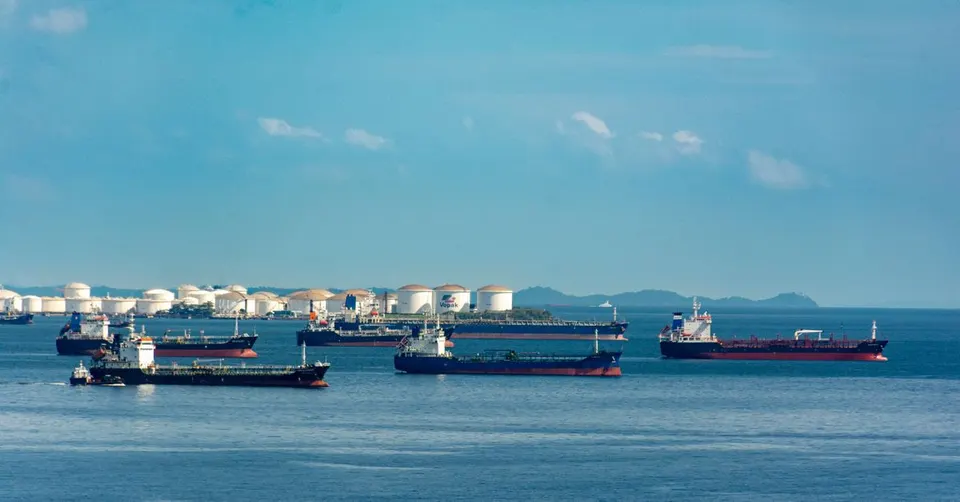
China is once again proving its mastery of long-term energy security by adding approximately 200,000 barrels per day (bpd) to its crude reserves throughout July. This move comes at a time when the Strait of Hormuz remains a high-friction zone, a development that usually deters major importers. However, Beijing appears to be taking the opposite approach; rather than scaling back due to risk, it is leveraging its massive 1.4 billion-barrel stockpile to ensure that its industrial engine remains fueled regardless of how the regional conflict in the Middle East evolves. This accumulation is particularly striking given that China's retail sales grew by a meager 0.6% in July, well below expectations, suggesting that the government is prioritizing state security over immediate economic stimulus.
This strategic accumulation is particularly noteworthy because it follows a period of drawdown in May and June. By rebounding its imports by 22% even as refinery runs remained depressed, China is signaling to the world that it values supply certainty over immediate market costs. For global markets, this acts as a significant price floor. As long as the world’s largest importer is willing to absorb excess supply to fill its strategic caverns, oil prices are unlikely to crater, even if global economic data suggests a slowdown. It also suggests that Beijing expects the 'Hormuz Crisis' to be a protracted affair, rather than a short-term spike in tension.
The Collapse of the US-Iran MoU and the Toman’s Reaction
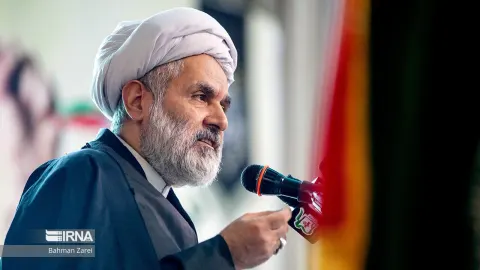
The fragile diplomatic "ceasefire" between Washington and Tehran has effectively evaporated. Recent reports confirm that the Memorandum of Understanding (MoU) between the two nations has expired, with Donald Trump reportedly deeming the agreement "over" within just a month of its inception. This diplomatic breakdown has been met with defiant rhetoric from Tehran. Ali Akbar Velayati, a senior adviser to the Leader, recently claimed that American families are the ones "paying the price" for Washington’s hostile policies, while the Agriculture Minister Gholamreza Nouri-Ghezeljeh insisted that Iran’s food security remains intact despite what he termed a "blockade." These statements aim to project domestic strength even as the diplomatic path narrows.
In the local markets, this atmosphere of uncertainty has translated into immediate price pressure. The US Dollar in Tehran’s open market rose from 186,450 to 187,200 Toman, marking a 0.4% increase in the last 24 hours. Gold and coin markets followed suit, with the Emami coin climbing from 189,000,000 to 190,500,000 Toman (+0.8%), and 18k gold rising from 19,065,977 to 19,169,860 Toman per gram (+0.5%). These movements reflect a hedge by local investors against the potential for renewed sanctions or an escalation in the regional conflict that has characterized the period since the MoU’s failure. The market is clearly pricing in a return to maximum pressure tactics from the US administration.

Science as a Political Battlefield: The War on DEI
Beyond the world of energy and hard currency, a different kind of conflict is brewing within the halls of American research institutions. The Trump administration has intensified its campaign against "Diversity, Equity, and Inclusion" (DEI) initiatives, and the latest casualties are scientific grants for Alzheimer’s research. Leading institutions like Emory University and the University of Pittsburgh have seen critical funding cancelled, specifically for studies that examine how systemic factors like racism affect brain health. This represents a significant shift in how the National Institutes of Health (NIH) allocates its $47 billion portfolio, prioritizing political alignment over traditional scientific inquiry into health disparities.
The implications of these cancellations extend far beyond the laboratory. By removing funding for research into marginalized populations, the administration risks creating massive gaps in our understanding of neurodegenerative diseases. This "war on DEI" is increasingly viewed by the scientific community as a broader war on data that doesn't fit a specific political narrative. For the global community, which often relies on US-led research for medical breakthroughs, this redirection of funds could delay the development of life-saving treatments for millions of Alzheimer’s patients worldwide. It marks a period where scientific progress is increasingly tethered to the prevailing political winds in Washington, potentially eroding the US's long-standing position as the global leader in medical innovation.

Frequently Asked Questions
Why is China increasing its oil reserves despite the Hormuz crisis?
What caused the recent spike in the USD/IRR exchange rate in Tehran?
Why is the Trump administration cancelling Alzheimer's research grants?
Understanding Strategic Petroleum Reserves
In times of geopolitical tension or supply chain disruptions, nations often turn to a critical tool for energy security: Strategic Petroleum Reserves (SPRs). These are government-maintained stockpiles of crude oil and/or refined petroleum products, held specifically to mitigate the impact of sudden and severe oil supply shortages. The primary purpose of an SPR is to provide a buffer against emergencies, whether caused by natural disasters, technical failures, or geopolitical events like a crisis in a major shipping lane such as the Strait of Hormuz.
The mechanism behind SPRs is straightforward yet vital. When a significant disruption occurs, governments can authorize the release of oil from these reserves onto the market. This injection of supply helps to stabilize global oil prices, prevent economic shocks, and ensure that essential services and industries continue to receive the fuel they need. By reducing immediate reliance on volatile international markets during a crisis, SPRs buy precious time for nations to implement longer-term solutions or for the global supply situation to normalize.
Many major oil-importing countries, including the United States, China, and members of the International Energy Agency (IEA), maintain substantial SPRs. China's reported decision to stock additional oil amid a Strait of Hormuz crisis, as mentioned in the headline, perfectly illustrates this strategic approach. By increasing its reserves, China aims to insulate its economy from potential price spikes and supply interruptions that could arise from instability in a waterway through which a significant portion of the world's oil transits.
Ultimately, Strategic Petroleum Reserves are a cornerstone of modern energy policy. They represent a proactive measure by governments to safeguard their economies and national security against the inherent vulnerabilities of a global energy system heavily dependent on a few key regions and transit points. Understanding SPRs provides insight into how nations prepare for and respond to the complex interplay of energy markets and international politics.
Topics
Related Articles