Trump’s Oman Threat Rattles Markets as Toman Sinks: The High Stakes of the ‘Bombing’ Rhetoric
تهدید ترامپ علیه عمان و لرزه بر اندام بازار؛ صعود دلار و سکه در سایه تنشهای جدید
Donald Trump’s aggressive rhetoric against Oman has sent shockwaves through regional markets, pushing the USD to 187,200 Toman. As Jared Kushner coordinates in Jerusalem, the risk of a total breakdown in diplomatic backchannels looms large.
At time of publishing
USD
187,200
Toman
Gold 18K
19.21M
Toman / gram
Bitcoin
$63,549
US Dollar
Tether
185,719
Toman
Trump’s Explosive Rhetoric: Oman in the Crosshairs
In a move that has stunned diplomatic circles and sent immediate ripples through the Iranian foreign exchange market, US President Donald Trump has issued a direct military threat against Oman. Speaking to Fox News, Trump stated he would "bomb the shit out of" the Sultanate if it "gets in the way" of his administration's efforts to finalize a new, more restrictive deal regarding Iran. This marks a radical departure from decades of US foreign policy, as Muscat has long served as the essential "neutral ground" and primary backchannel between Washington and Tehran. The threat is not just rhetorical; it signals a possible dismantling of the very infrastructure used for de-escalation in the Middle East.
While Trump issues these warnings from Washington, his son-in-law Jared Kushner is currently in Jerusalem meeting with Israeli Prime Minister Benjamin Netanyahu. The official agenda focuses on a Gaza peace plan, but the timing suggests a broader regional realignment is being forced. By threatening the only reliable mediator, the US administration appears to be closing the door on traditional diplomacy in favor of a high-stakes "with us or against us" ultimatum. For the Iranian economy, this means the prospect of a negotiated settlement is fading, replaced by the specter of direct kinetic conflict involving regional neighbors who were previously considered safe havens for dialogue.
Market Reaction: Toman Weakens as Geopolitical Risk Surges
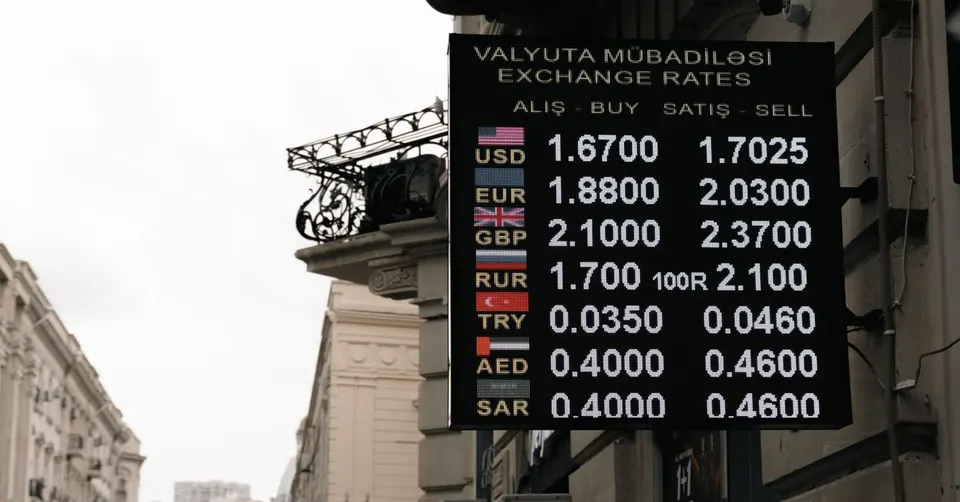
The impact of this rhetoric was felt instantly in the Tehran markets. The USD sell rate moved from 186,450 to 187,200 Toman, a 0.4% increase within the last 24 hours. While the percentage move might seem modest to outsiders, the psychological breach of stability is significant. Gold 18k followed suit, rising from 19,065,977 to 19,211,413 Toman per gram (+0.8%), while the Emami coin jumped to 190,500,000 Toman (+0.8%). Investors are clearly hedging against the possibility that the "Oman backchannel"—which has historically been the vent for releasing regional pressure—is being permanently sealed.
Precious metals are also benefiting from a global flight to safety. Silver prices remained buoyed on Monday due to softer economic data from the West, but the local premium in Iran is being driven by domestic anxiety. When the US threatens an ally like Oman, it signals to the market that the rules of the game have changed. The certainty of the 2022 truce in Yemen is also looking fragile, as UN rights chief Volker Türk warned of escalating hostilities involving Houthi rebels. For the average Iranian trader, these headlines translate to one thing: a higher cost for hard currency as the risk of a "full-scale conflict" becomes a primary talking point in the West.
The Strategic Pivot: Bypassing the Strait of Hormuz
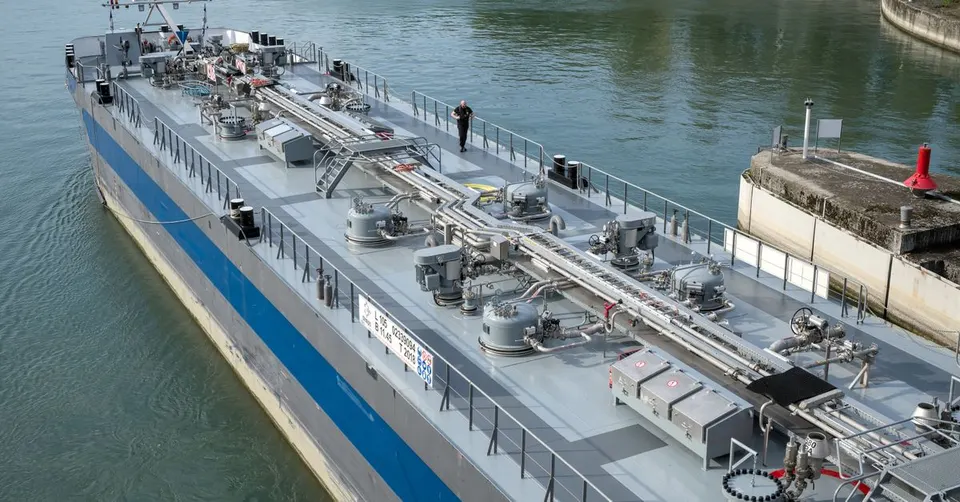
Amidst the verbal fireworks, a long-term strategic shift is accelerating. New reports indicate that the project to ship Iraqi crude through a pipeline to the Syrian Mediterranean coast is gaining momentum, though it remains a $15 billion, four-year endeavor. Supported by the US administration and a consortium including Chevron, the goal is to make the Strait of Hormuz "irrelevant." This is a direct response to the recurring threats of closure and the volatility that has become synonymous with the waterway. If successful, this pipeline would strip Tehran of one of its most potent geopolitical levers, fundamentally altering the power balance in the Persian Gulf.
However, the immediate reality for energy-dependent nations like Japan is far more painful. While Japan has managed to diversify some of its oil imports to ease the crisis, its import bills are climbing to unsustainable levels. Sourcing crude from outside the Middle East involves massive logistical costs that are weighing on industrial activity. This global energy tension, combined with Iran’s Vice President Mohammad-Reza Aref’s claims that "enemies seek to destabilize Iran through economic pressure," suggests a period of prolonged economic warfare. The government in Tehran is framing the current hardship as a foreign-led conspiracy, even as the Toman continues its downward trajectory against a backdrop of increasing isolation.
Frequently Asked Questions
Why is Trump's threat to Oman specifically significant for Iran?
How feasible is the Iraq-Syria pipeline to bypass the Strait of Hormuz?
Why are gold prices in Iran rising faster than the USD/IRR rate?
The Strait of Hormuz: Global Chokepoint and Geopolitical Flashpoint
The Strait of Hormuz is a narrow, strategically vital waterway connecting the Persian Gulf to the Gulf of Oman and the Arabian Sea. At its narrowest point, it is only about 21 nautical miles (39 kilometers) wide, with shipping lanes just two miles wide in each direction. This seemingly small passage holds immense global significance, acting as the sole maritime outlet for the vast oil and natural gas reserves of several major Middle Eastern producers, including Saudi Arabia, Iran, Iraq, Kuwait, Qatar, and the United Arab Emirates.
Its importance stems from the sheer volume of energy resources that pass through it. Approximately one-fifth of the world's total petroleum liquids consumption and about one-third of the world's liquefied natural gas (LNG) transit this strait daily. Any disruption to this flow, whether due to military conflict, political tension, or even rhetorical threats, has immediate and profound implications for global energy markets, leading to sharp increases in oil prices and significant economic instability worldwide.
This makes the Strait of Hormuz a quintessential "chokepoint" – a geographical feature that creates a bottleneck for maritime traffic, making it highly vulnerable to disruption. For decades, the Strait has been a focal point of regional and international tensions, particularly involving Iran, which controls its northern coast and has, at various times, threatened to close the strait in response to international pressure or sanctions. Such threats, or even the perception of heightened risk, directly translate into market volatility, impacting currencies like the Iranian Toman and fueling economic uncertainty in the region and beyond.
The mention of a "Strait of Hormuz bypass pipeline" in the keywords highlights attempts by some nations to mitigate this vulnerability by finding alternative routes for oil exports. However, no single alternative currently possesses the capacity to fully replace the Strait, underscoring its enduring and critical role in global energy security. Understanding the strategic importance of the Strait of Hormuz is crucial for comprehending the dynamics of Middle Eastern geopolitics and its ripple effects on the global economy.
Topics
Related Articles