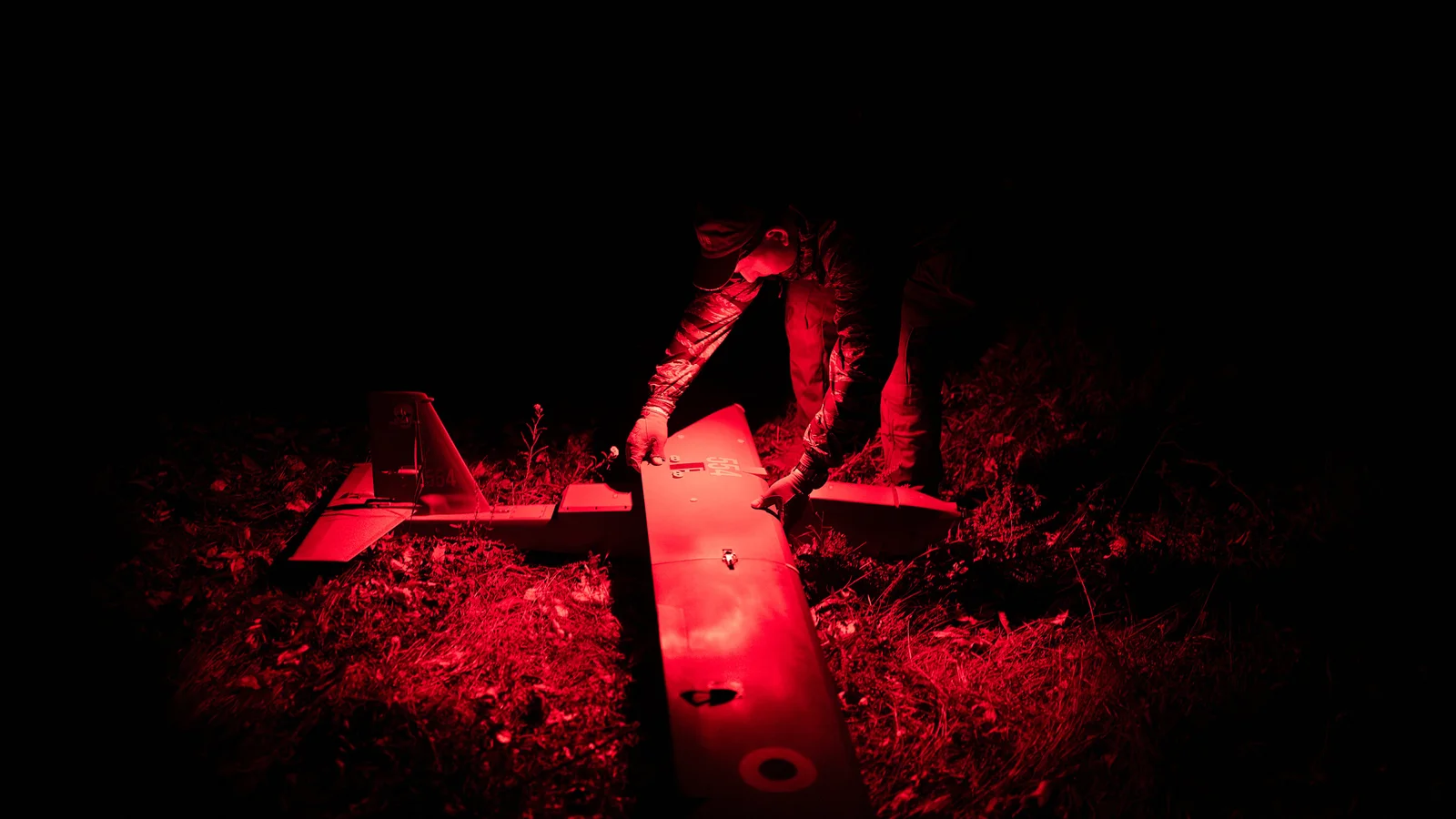
Trump Threatens Oman Over Iran Deal as Satellite-Linked Drones Transform the Ukrainian Frontline
تهدید بیسابقه عمان توسط ترامپ و انقلاب ماهوارهای در جنگ پهپادی اوکراین
Geopolitical tensions spike as Donald Trump threatens to bomb Oman for its mediation role with Iran, while new reports reveal how real-time satellite data is supercharging Ukrainian drone operations. In Tehran, the USD rose to 186,950 Toman as markets react to the escalating rhetoric.
At time of publishing
USD
186,950
Toman
Gold 18K
19.18M
Toman / gram
Bitcoin
$64,353
US Dollar
Tether
186,059
Toman
Trump’s Ultimatum to Oman Rattles Regional Markets
In a move that has sent shockwaves through the Middle East, Donald Trump has issued a direct threat to bomb Oman if the Sultanate continues to facilitate backchannel negotiations with Tehran. This escalation comes as a critical 60-day window for a new Iran nuclear deal expires, with Oman acting as the primary bridge for communication. Trump’s rhetoric suggests a dramatic shift toward a "with us or against us" foreign policy, targeting even long-standing Western allies who attempt to maintain diplomatic neutrality in the Persian Gulf.
The impact on the Iranian economy was immediate. The USD sell rate in Tehran moved from 186,450 to 186,950 Toman, marking a 0.3% increase within the last 24 hours. Gold markets followed suit, with the Emami coin rising from 189,000,000 to 190,500,000 Toman (+0.8%). Traders are increasingly pricing in the risk of a total diplomatic collapse and the potential for direct kinetic action in the Strait of Hormuz, a scenario that would severely disrupt global energy flows and further isolate the Iranian financial system.

Ukraine’s Satellite-Driven Drone Revolution
On the battlefields of Eastern Europe, the nature of warfare is being rewritten by the integration of real-time satellite intelligence into drone operations. According to recent reports, Ukrainian drone teams are now receiving near real-time information on Russian troop movements directly from satellite feeds. This technological leap allows for a "sensor-to-shooter" cycle that lasts only seconds, making it nearly impossible for Russian armored columns to reposition without being targeted by precision FPV drones.
This development is not merely a tactical upgrade; it represents a strategic shift in how small-scale units can exert outsized influence on the front line. By bypassing traditional military hierarchies and delivering intelligence directly to the operators in the field, Ukraine is offsetting its disadvantage in raw artillery numbers. The reliance on these high-tech links, however, highlights the vulnerability of the conflict to satellite interference or the shifting policies of private satellite providers, which remain a central point of contention in the broader geopolitical struggle.
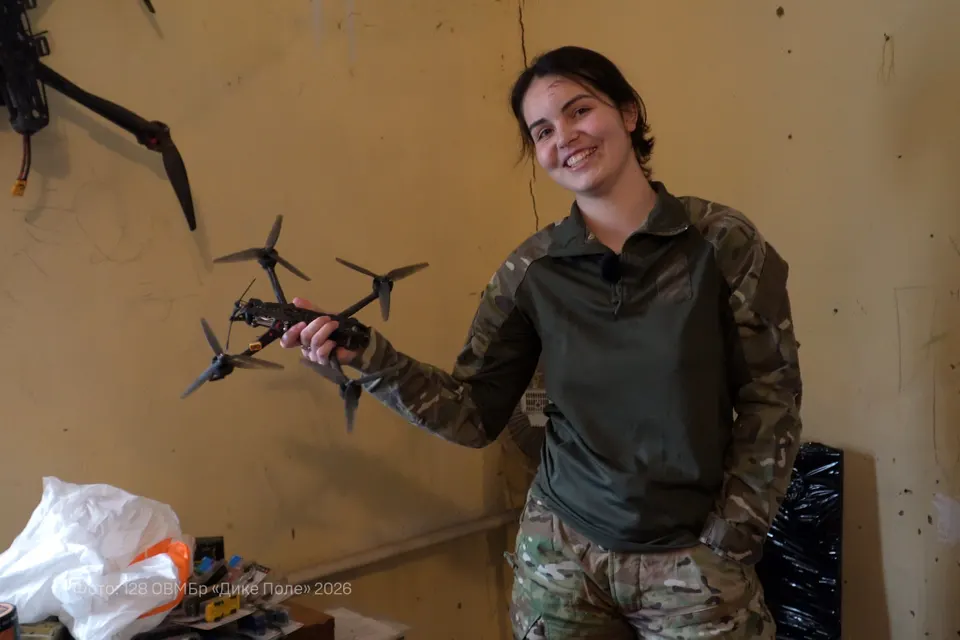
Diplomacy and Discontent: From Korea to the Kremlin
In the Pacific, Donald Trump has claimed that North Korean leader Kim Jong-un has responded positively to recent overtures, leading to a controversial decision to scale back joint military drills with South Korea. Trump argued that this move makes the region "much safer," despite fierce criticism from Republican senators and military officials. Critics warn that reducing these exercises could embolden Pyongyang, especially as North Korea continues to gain battlefield expertise by assisting Russia’s war efforts in Ukraine. This policy shift reflects a broader trend of personal diplomacy overriding traditional alliance structures.
Meanwhile, in Russia, the political landscape is showing rare signs of friction. As the government continues its tight control over elections, an anti-war party that was barred from the ballot has unexpectedly become a vessel for public discontent. This movement suggests that despite heavy censorship, a segment of the Russian populace is seeking alternative channels to express frustration with the ongoing conflict. While it is unlikely to change the immediate political outcome, the visibility of this discontent serves as a reminder of the internal pressures facing the Kremlin as the war of attrition continues.

Sound-Powered Fire Safety and Global Market Trends
In the technology sector, a startup named Sonic Fire Tech has secured $15 million in funding for a revolutionary fire protection system that uses sound waves to extinguish flames. By using acoustic energy to disrupt the air around a fire, the system can snuff out blazes without the need for water or chemicals, which often cause more damage to electronics and infrastructure than the fire itself. This innovation is being targeted at commercial kitchens and high-density apartment buildings, potentially disrupting the multi-billion dollar fire safety industry.
In the broader markets, Bitcoin is currently testing a resistance level of $65,600, though analysts describe the current trend as weak. In the Iranian market, the price of 18k gold rose from 19,065,977 to 19,183,711 Toman per gram (+0.6%), reflecting the general flight to safety among domestic investors. As geopolitical threats escalate from the Persian Gulf to the South China Sea, where a US destroyer was recently reported adrift due to power failure, global volatility remains the only certainty for the week ahead.
Frequently Asked Questions
Why did Donald Trump threaten to bomb Oman?
How is satellite technology changing the war in Ukraine?
What is the significance of the USD/IRR price movement today?
Satellite‑Linked Drones: How Space‑Based Communications Are Changing Modern Warfare
Satellite‑linked drones, also called satellite‑controlled unmanned aerial vehicles (UAVs), are aircraft that receive commands and transmit data through orbiting satellites rather than relying on direct line‑of‑sight radio links. This capability removes the traditional range limitation of ground‑based controllers, allowing a single operator to guide a drone thousands of kilometres away, even from a different continent. The concept dates back to the Cold War, but recent advances in miniaturised transceivers and commercial constellations such as Starlink have made it practical for tactical platforms used on the battlefield.
The technical backbone of satellite‑linked UAVs is satellite communication (Satcom). Most systems use the L‑band (1–2 GHz) or Ku‑band (12–18 GHz) to balance bandwidth and resistance to weather‑induced attenuation. Signals travel to a geostationary or low‑Earth‑orbit satellite, are relayed to a ground gateway, and then routed to the drone’s onboard antenna. Latency – the delay between command and response – can range from 150 ms for low‑orbit constellations to over 600 ms for geostationary links, influencing the types of missions that can be performed. Encryption and frequency‑hopping are standard to protect against jamming and interception.
In the 2022‑2023 Ukraine conflict, satellite‑linked drones proved decisive. Turkish Bayraktar TB2s and U.S.‑provided Switchblade loitering munitions were guided from command centres well behind the front lines, enabling strikes on Russian logistics without exposing pilots to anti‑aircraft fire. Because the drones could be operated from anywhere with a satellite uplink, Ukrainian forces could re‑task assets in real time as the battlefield shifted, a flexibility that traditional radio‑controlled drones lack. The ability to stream high‑resolution video back to analysts hundreds of kilometres away also accelerated target verification and reduced collateral damage.
Looking ahead, the proliferation of affordable Satcom constellations means more state and non‑state actors will field satellite‑controlled UAVs, blurring the line between conventional and asymmetric warfare. Adversaries are developing anti‑satellite weapons, electronic‑attack suites, and AI‑driven autonomous flight modes to mitigate reliance on external links. Understanding the strengths and vulnerabilities of satellite‑linked drones is therefore essential for policymakers, military planners, and anyone following the evolving dynamics of modern conflict.
Topics
Related Articles