Iran Voids US Negotiation Deadline as Geopolitical Tensions Drive Gold Prices Higher
ابطال ضربالاجل مذاکرات با آمریکا توسط ایران؛ جهش قیمت طلا در پی بنبست دیپلماتیک
Iran has officially declared its 60-day memorandum of understanding with the U.S. null and void, signaling a breakdown in recent diplomatic efforts. This escalation, combined with looming U.S. tariffs on Canada, has pushed gold prices up 0.8% in the Tehran market.
At time of publishing
USD
186,900
Toman
Gold 18K
19.33M
Toman / gram
Bitcoin
$64,323
US Dollar
Tether
186,431
Toman
Diplomacy Fails as Iran Voids the 60-Day MOU
In a significant escalation of Middle Eastern tensions, Iran’s foreign ministry spokesman, Esmaeil Baghaei, announced on Tuesday that the 60-day negotiation deadline established under the June Iran-US memorandum of understanding is now null and void. The Iranian government claims that "violations" committed by Washington made the continuation of the agreement impossible. This breakdown comes at a critical time, as the MOU was seen as a fragile bridge toward a more lasting settlement regarding regional security and nuclear oversight. The sudden termination of this diplomatic channel suggests a shift toward a more confrontational stance, which Tehran has described as a "fully offensive" strategy.
This diplomatic vacuum is already reverberating through global energy markets. With the prospect of peace becoming more distant, Brent crude has climbed to $91.33 per barrel, while West Texas Intermediate reached $85.08. For Iranian citizens and investors, this move signals a period of heightened uncertainty. The collapse of the 60-day window often precedes increased sanctions pressure or regional military posturing, both of which historically weigh heavily on the value of the Toman and the stability of domestic prices. The timing is particularly sensitive as U.S. envoy Jared Kushner recently expressed hopes for Hamas's disarmament within a month, a goal that seems increasingly at odds with the current escalatory rhetoric from Tehran.
The Simon Levy Verdict and the Failure of Justice Systems
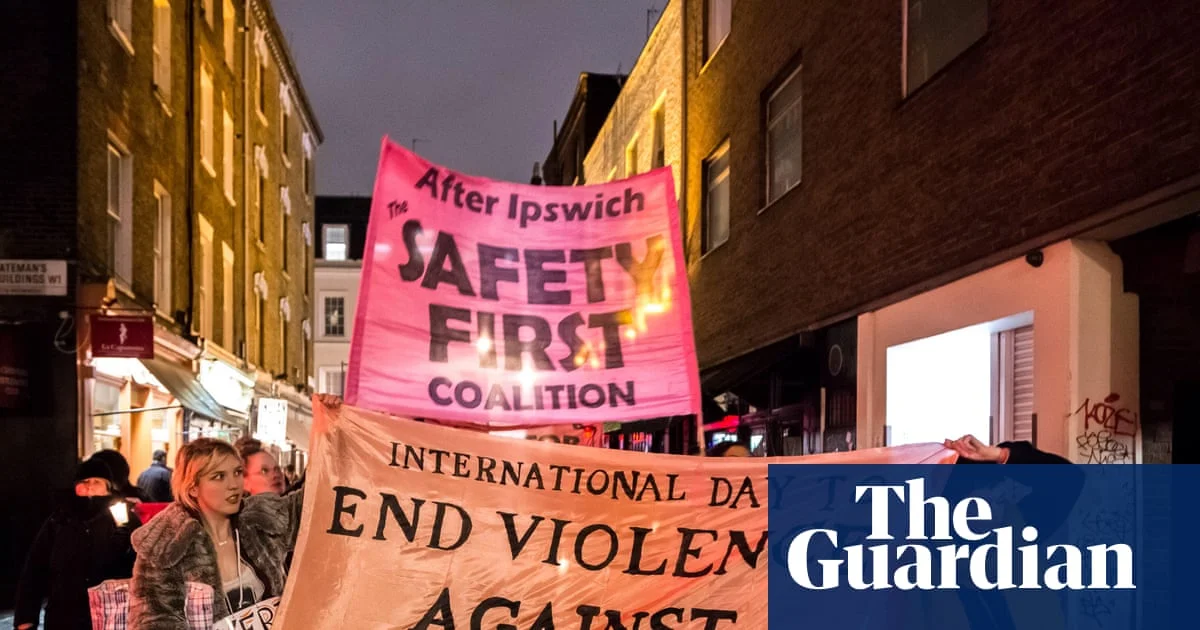
While geopolitical headlines dominate the airwaves, the sentencing of Simon Levy in the United Kingdom has sparked a profound discussion about how justice systems treat the most vulnerable members of society. Levy, a registered sex offender, was handed a rare whole-life tariff for the murders of Carmenza Valencia-Trujillo and Sheryl Wilkins. The case has become a symbol of the systemic failure to protect women involved in sex work—individuals whom Levy intentionally targeted because he believed their disappearances would be ignored by the authorities. This case serves as a grim reminder that when the legal system fails to value all lives equally, it creates blind spots that predators can exploit with impunity.

For readers in Iran and elsewhere, the Levy case highlights a global struggle for judicial accountability and the protection of marginalized groups. It raises difficult questions about the criteria used by police and courts to prioritize cases. The fact that Levy had a known history of sexual offending dating back to 2018, yet remained free to escalate his violence, points to a catastrophic breakdown in monitoring and prevention. As societies grapple with rising rates of violence against women, the Levy trial underscores the necessity of a justice system that listens to the marginalized before tragedy strikes, rather than only delivering harsh sentences after the damage is done.
Global Economic Pressure: Canada Tariffs and Trump’s Foreign Policy
On the economic front, Tuesday marks a critical "crunchtime" for Canada as it seeks to avoid a new wave of U.S. tariffs threatened by the Trump administration. With a midnight deadline looming, Canadian officials are scrambling to secure a deal that would prevent significant economic disruption. This trade friction is part of a broader, more aggressive U.S. trade policy that seeks to leverage tariffs as a primary tool of diplomacy. The outcome of these negotiations will have a direct impact on North American supply chains, potentially influencing the cost of imported goods and the overall strength of the U.S. dollar against major currencies.

Simultaneously, Donald Trump has intensified his rhetoric regarding international alliances, specifically criticizing South Korea for its refusal to join a potential military conflict with Iran. During recent remarks, Trump also claimed that North Korea’s Kim Jong Un has responded positively to a request for conversation, highlighting a stark contrast in his approach to different global powers. For the Iranian market, this combination of trade wars and aggressive foreign policy creates a volatile environment. As the U.S. dollar sell rate holds steady at 186,900 Toman, the domestic market is looking toward gold as a safe haven. In the last 24 hours, 18k gold rose from 19,183,711 to 19,333,764 Toman (+0.8%), reflecting a cautious pivot by investors away from fiat stability toward hard assets.
Market Realities: Gold Rises as Bitcoin Finds Support
In the financial markets, the divergence between traditional assets and digital currencies remains a key focus. Bitcoin has managed to climb back above the $64,000 mark, currently trading at $64,323, even as other major cryptocurrencies show signs of slipping. This resilience in Bitcoin comes despite a significant reduction in computing power by miners, who are reportedly shifting resources toward artificial intelligence infrastructure to maximize revenue. The intersection of crypto-mining and AI is becoming a dominant theme, as companies like Venice report massive annualized revenue growth, proving that the hardware once used for blockchain is now the backbone of the generative AI boom.
In Tehran, the Emami coin has mirrored the rise in gold prices, moving from 190,500,000 to 191,500,000 Toman, a 0.5% increase in just one day. While the USD/IRR rate remained flat at 186,900, the uptick in gold suggests that the market is pricing in the collapse of the U.S.-Iran MOU and the potential for further regional instability. For the average consumer, these shifts mean that while the currency might appear stable on the surface, the underlying cost of wealth preservation is becoming more expensive. As global oil prices rise and diplomatic doors close, the pressure on the Iranian economy to find internal stability without international cooperation has never been higher.
Frequently Asked Questions
Why did Iran declare the 60-day MOU null and void?
How has the Tehran gold market reacted to the news?
What is the status of Bitcoin and crypto miners?
What is the 'crunchtime' for Canada mentioned in the news?
Gold as a Safe‑Haven Asset: Why Geopolitical Tensions Lift Prices
Gold has long been regarded as a safe‑haven asset—an investment that investors flock to when uncertainty spikes. Unlike equities or currencies, gold does not depend on a single country's fiscal health or monetary policy, and it cannot be “defaulted” on. Its intrinsic value, limited supply, and universal acceptance make it a go‑to store of wealth when markets wobble.
When geopolitical risk rises—whether from a standoff between Iran and the United States, a sudden tariff escalation, or a broader Middle‑East flare‑up—risk‑averse investors often sell riskier holdings and buy gold. This surge in demand pushes the spot price higher, while the dollar‑denominated price can also be amplified if the U.S. dollar weakens under the same stress. The relationship is not one‑to‑one, but historically, spikes in the Geopolitical Risk Premium have coincided with sharp gold rallies.
Historical episodes illustrate the pattern. During the 2008 financial crisis, gold leapt from around $800 to over $1,200 per ounce as banks faltered. The Arab Spring in 2011 saw gold breach $1,900 as political upheaval rattled emerging markets. More recently, the Russia‑Ukraine war and renewed Iran‑U.S. tensions in 2023‑2024 have driven gold above $2,000, underscoring its role as a hedge against both financial and geopolitical shocks.
For traders and portfolio managers, understanding gold’s safe‑haven dynamics is crucial. While gold can protect against downside risk, it also carries opportunity costs—its price can stagnate or fall when risk recedes, and it yields no interest or dividends. Moreover, extreme volatility can arise from speculative flows, central‑bank buying, or shifts in real‑interest rates. Recognising when geopolitical headlines truly translate into sustained demand helps investors use gold effectively as part of a diversified risk‑management strategy.
Topics
Related Articles