Iran Conflict Triggers Global Cost-of-Living Squeeze as Brent Crude Surges Past $90
بحران ایران و جهش قیمت نفت به بالای ۹۰ دلار؛ فشار تورمی بر اقتصاد جهانی تشدید شد
Global markets are reeling as the US-Iran ceasefire expires, pushing Brent crude above $90 and slowing wage growth in major economies like the UK. Meanwhile, Bitcoin struggles to maintain momentum near $64,000 amidst heightening geopolitical jitters and interest rate uncertainty.
At time of publishing
USD
186,900
Toman
Gold 18K
19.32M
Toman / gram
Bitcoin
$64,256
US Dollar
Tether
186,760
Toman
The Global Ripple Effect: Iran War Hits UK Wallets
The economic fallout from the escalating conflict involving Iran has reached the doorsteps of the United Kingdom, where official figures now show a measurable slowdown in wage growth. According to the Office for National Statistics, average earnings growth fell to 4.1% in the three months to June, a decline from the previous 4.3%. This cooling of the labor market is directly attributed to a renewed "cost of living squeeze" triggered by the regional instability in the Middle East. As energy prices climb and supply chains face potential disruptions, businesses are becoming increasingly conservative with compensation, fearing a prolonged period of high overheads.
For the average consumer, this means the gap between inflation and income is narrowing once again. While unemployment remains steady at 4.9%, the psychological impact of the tensions involving Iran on global sentiment cannot be overstated. City economists had predicted a slightly larger fall, but the reality remains that the geopolitical friction in the Persian Gulf is no longer just a regional concern; it is a fundamental driver of global macroeconomic policy and household purchasing power. The uncertainty regarding energy security is forcing central banks to rethink their interest rate strategies, adding another layer of complexity to the global recovery.
Oil Surges as Diplomacy Fails: Brent Hits $90
The energy markets reacted sharply this morning as the two-month window for a negotiated peace deal between the US, Israel, and Iran expired without a breakthrough. Brent crude, the global benchmark, surged past the $90 per barrel mark for the first time since late July. The catalyst for this spike was not just the expiration of the ceasefire, but the hardening rhetoric from Washington. Former President Donald Trump, in a recent interview, demanded that Tehran “put up the white flag of surrender,” a statement that has effectively signaled to markets that a diplomatic off-ramp is increasingly unlikely in the near term.
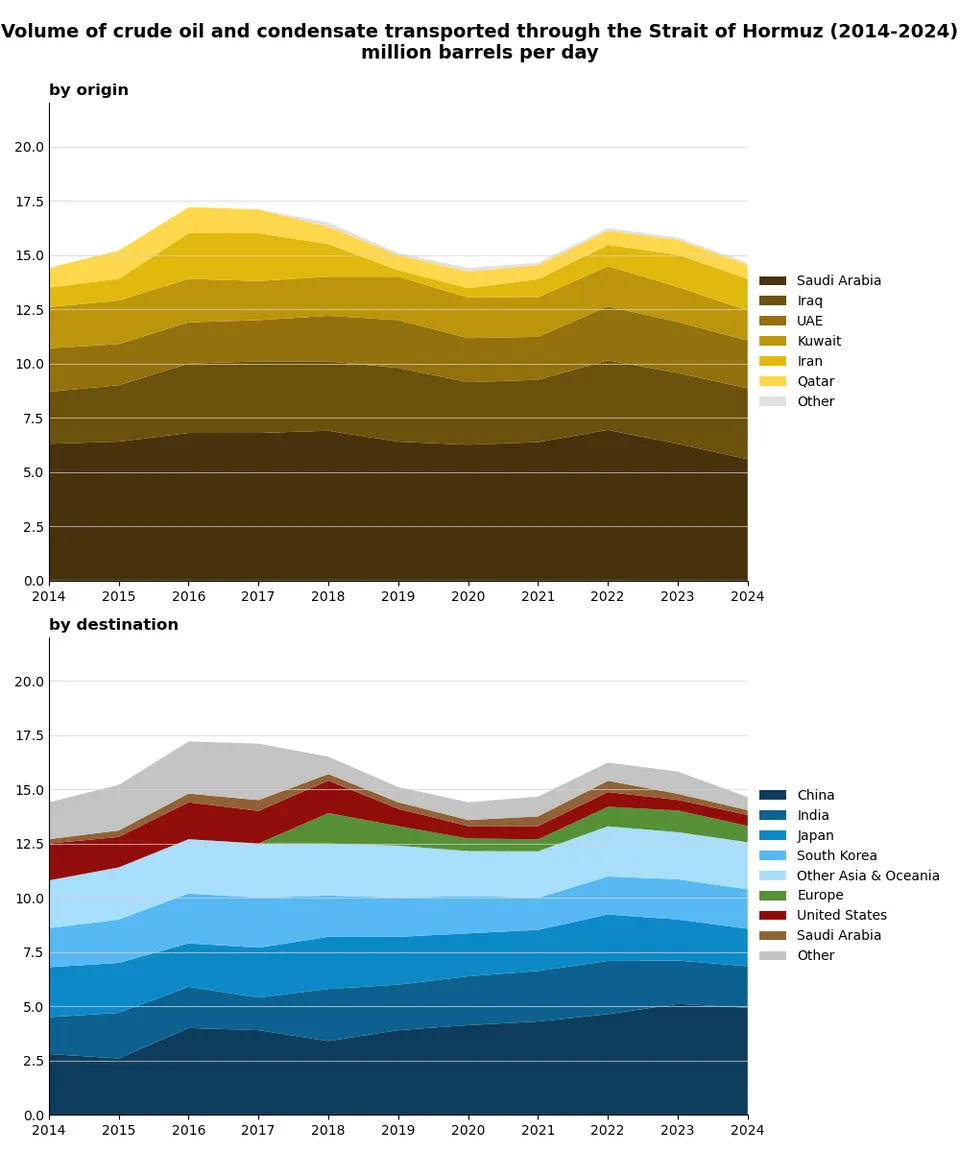
This escalation has also drawn in regional mediators. Trump’s recent threats toward Oman—a traditional backchannel for US-Iran communications—suggest a shift toward a "maximum pressure" strategy that leaves little room for the traditional neutrality of Gulf intermediaries. For Iran, the expiration of the ceasefire means a return to high-alert status and potential disruptions to its own export capabilities, even as it maintains an aggressive stance. The market is now pricing in a "war premium" that could see prices climb further if any direct kinetic action occurs near shipping lanes or critical infrastructure.
Bitcoin and Gold: The Safe Haven Tug-of-War
In the financial markets, the reaction to the geopolitical heat has been bifurcated. Gold, the traditional sanctuary for nervous capital, saw gains in the Iranian domestic market. The 18k gold gram rose from 19,183,711 to 19,315,296 Toman (+0.7%), while the Emami coin climbed from 190,500,000 to 192,000,000 Toman (+0.8%). This upward movement reflects a local hedge against potential currency volatility, even though the USD/IRR sell rate remained remarkably flat at 186,900 Toman (0.0% change). The local demand for physical gold suggests that despite the stable exchange rate, the public is bracing for a possible inflationary shock should the regional conflict widen.
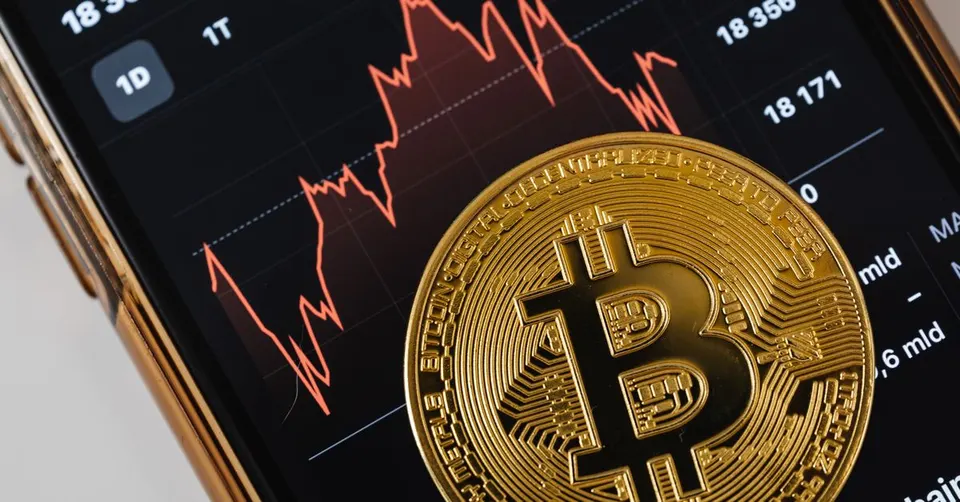
Conversely, the cryptocurrency market is struggling to find a clear direction. Bitcoin is currently hovering around $64,256, showing signs of consolidation but failing to break into a sustained rally. While some investors view BTC as "digital gold," the prevailing sentiment in the last 24 hours has been one of "rate jitters" and "Iran anxiety." When geopolitical tensions spike, institutional investors often rotate out of "risk-on" assets like crypto and into cash or physical bullion. The current price action suggests that until there is clarity on the US military posture or the next move from the Federal Reserve, Bitcoin may remain trapped in its current $63,000 to $65,500 range, susceptible to sudden drops on any negative news from the Middle East.
Cultural Resilience Amidst Tensions
Despite the looming threat of conflict and the harsh rhetoric on the international stage, domestic life in Iran continues with a focus on cultural preservation. In Hamedan, the 18th National Handicrafts Exhibition has officially opened, featuring the Deputy Minister of Cultural Heritage and local governors. The event serves as a reminder of the significant non-oil sector that the government often highlights during times of heavy sanctions. State media reports emphasize the importance of these exhibitions in fostering local economies and showcasing Iran's heritage to the few remaining international visitors.
While official sources portray these events as signs of "normalcy" and economic resilience, the shadow of the expired ceasefire remains the dominant narrative for the Iranian public. The handicrafts sector, which relies heavily on tourism and international trade, remains one of the most vulnerable industries to the very diplomatic failures currently dominating the headlines. For the artisans in Hamedan, the $90 oil price and the $64,000 Bitcoin are distant metrics, but the underlying geopolitical instability determines whether their products will ever reach a global market or if they will remain confined behind the walls of increasing isolation.
Frequently Asked Questions
Why is the Iran conflict affecting UK wage growth?
What does Trump's 'white flag' comment mean for oil prices?
Is Bitcoin currently a safe haven like gold?
Understanding Oil Price Shocks and Global Inflation
An "oil price shock" refers to a sudden, significant increase in the price of crude oil, often triggered by geopolitical instability, supply disruptions, or unexpected surges in demand. As evidenced by the headline, a conflict involving a major oil producer like Iran can severely disrupt global oil supplies or create market uncertainty, causing benchmark prices like Brent Crude to skyrocket. These shocks have profound and immediate repercussions across the global economy, directly impacting the cost of living for billions.
The mechanism through which oil price shocks fuel inflation is multi-faceted. Firstly, higher crude oil prices directly translate into increased costs for gasoline, diesel, and jet fuel, affecting transportation for both consumers and businesses. This means higher prices at the pump for commuters and more expensive shipping costs for goods. Secondly, oil is a fundamental input in the production of countless goods and services, from plastics and fertilizers to electricity generation and manufacturing processes. When the cost of this essential input rises, businesses face higher operational expenses.
These increased production and transportation costs are then typically passed on to consumers in the form of higher prices for a wide array of products and services, leading to what economists call "supply-side inflation." This broad-based increase in prices erodes purchasing power, meaning that people's wages buy less than before, leading to a "cost-of-living squeeze." Households find essential items like food, energy, and transportation becoming significantly more expensive, straining budgets.
Central banks often respond to persistent inflation by raising interest rates to cool down economic activity and bring prices under control. While necessary, such measures can slow economic growth and increase borrowing costs for businesses and individuals, potentially leading to broader economic slowdowns or even recessions. Therefore, understanding oil price shocks is crucial for grasping how geopolitical events can ripple through global markets and directly affect everyday economic realities.
Topics
Related Articles