Trump Threatens Oman Over Iran Mediation as Oil Surges Past $91 Following Hormuz Attack
تهدید عمان توسط ترامپ و عبور نفت از مرز ۹۱ دلار در پی حمله به کشتی در تنگه هرمز
Geopolitical tensions reached a boiling point today as Donald Trump threatened an ally, Oman, for its role in mediating with Iran. Meanwhile, Brent crude jumped to $91 after a vessel was struck in the Strait of Hormuz, directly impacting the Toman's value.
At time of publishing
USD
188,500
Toman
Gold 18K
19.20M
Toman / gram
Bitcoin
$64,103
US Dollar
Tether
187,155
Toman
Trump Escalates Pressure on Oman as Mediation Efforts Falter
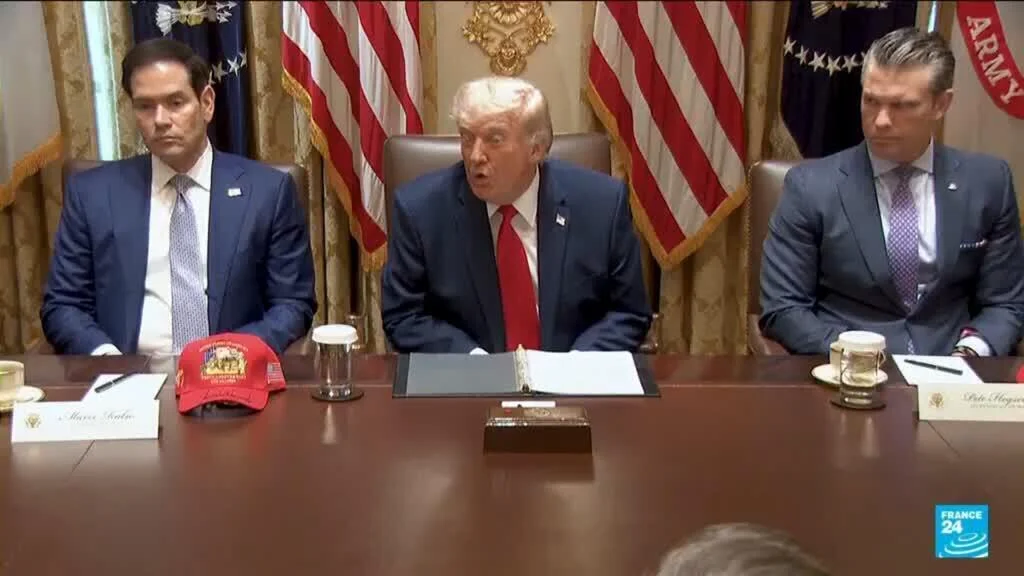
In a move that has sent shockwaves through diplomatic circles, U.S. President Donald Trump has lashed out at Oman, a long-standing regional mediator, as the 60-day ceasefire deadline regarding Iran negotiations passed without a resolution. Reports indicate that Trump used aggressive rhetoric, threatening military action against the sultanate if it continues to "get in the way" of his administration's policy toward Tehran. This escalation marks a significant departure from traditional U.S. diplomacy, which has historically relied on Muscat as a backchannel for communication with Iranian officials during times of high tension.
The timing of this threat is critical, as it coincides with a total deadlock in negotiations. For the Iranian market, this diplomatic breakdown signals a prolonged period of uncertainty. Investors in Tehran have responded with caution, leading to a visible uptick in the demand for safe-haven assets. The USD sell rate in the open market rose from 186,950 to 188,500 Toman, marking a 0.8% increase in just 24 hours. This shift reflects a growing belief that the window for a negotiated settlement is closing, replaced by a more confrontational U.S. stance that could lead to further economic isolation for Iran.
Oil Surges Past $91 Amid Hormuz Tensions and Houthi Strikes
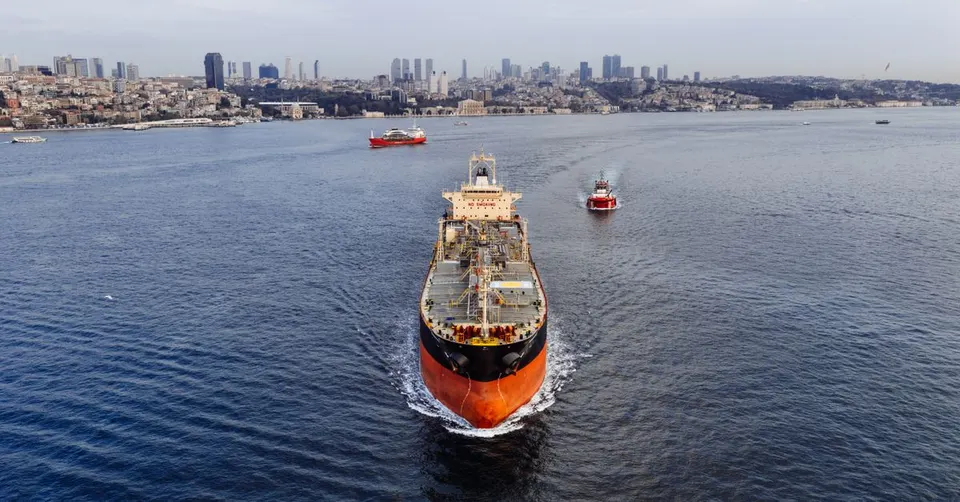
Energy markets are in a state of high alert after a cargo vessel was struck by an unidentified projectile while transiting the Strait of Hormuz early Tuesday. The incident, reported by the United Kingdom Maritime Trade Operations (UKMTO), has pushed Brent crude prices above the $91 per barrel mark. This physical threat to the world's most vital oil chokepoint is compounded by reports from the Houthi group, which claimed its third attack on Saudi Aramco’s Jazan refinery in two weeks. The convergence of these events has created a perfect storm for energy prices, as the risk of a broader regional conflict disrupting supply chains becomes increasingly tangible.
The impact of rising oil prices is being felt immediately in the Iranian domestic market, though not in the way many might expect. While higher oil prices theoretically benefit the state's revenue, the geopolitical risk premium is driving local inflation and currency devaluation. Gold prices in Tehran have seen a corresponding rise; the Emami coin moved from 190,500,000 to 192,000,000 Toman (+0.8%), while 18k gold per gram edged up to 19,199,870 Toman. For ordinary Iranians, the surge in global energy costs is translating into a more expensive dollar and higher prices for imported goods, rather than a domestic economic windfall.
Global Economic Ripples: UK Wage Growth Slows Amid Regional Conflict
The economic consequences of the ongoing tensions in the Middle East are manifesting in unexpected ways across the globe. In the United Kingdom, latest figures from the Office for National Statistics (ONS) show that wage growth has slowed to 4.1% in the three months to June, down from 4.4% previously. Analysts are directly linking this slowdown to a renewed cost-of-living squeeze exacerbated by the economic fallout from the Iran-related conflict. As energy prices climb and global trade uncertainty persists, businesses in major economies like the UK are becoming more conservative with hiring and salary increases, leading to job vacancies hitting a five-year low.
This global context is vital for understanding the current state of the Iranian economy. Iran is not operating in a vacuum; the slowing growth in Europe and the UK reduces the global appetite for risk and can lead to tighter credit conditions globally. For the Iranian reader, this means that even if domestic policies were to stabilize, the external environment remains hostile. The combination of U.S. political aggression, physical threats to maritime trade, and a cooling global economy creates a triple threat to the Toman's stability, making the current 0.8% daily depreciation of the currency a trend that many fear will continue in the short term.
Watch
Trump threatens to bomb Oman, as its ally tires to mediate Iran negotiations • FRANCE 24 English
FRANCE 24 English
Frequently Asked Questions
Why is Donald Trump threatening Oman regarding Iran?
How did the incident in the Strait of Hormuz affect oil prices?
Why is the Iranian Toman devaluing despite high oil prices?
The Strait of Hormuz: Global Oil's Critical Chokepoint
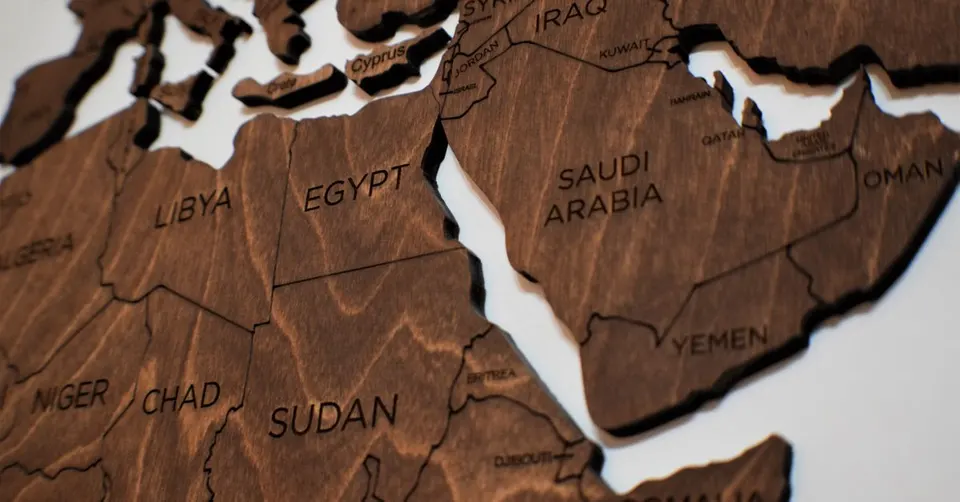
The Strait of Hormuz is a narrow, strategically vital waterway connecting the Persian Gulf to the Arabian Sea and the open ocean. It is arguably the world's most important oil transit chokepoint, a term used to describe a narrow channel or passage that significantly restricts the flow of maritime traffic, making it vulnerable to disruption. Its geographical position makes it indispensable for global energy markets, as a substantial portion of the world's seaborne oil supply, along with liquefied natural gas (LNG), passes through its waters daily.
The strait is bordered by Iran to the north and Oman's Musandam Governorate to the south. At its narrowest point, it is only about 21 nautical miles (39 km) wide, with the shipping lanes themselves being just two miles wide in each direction, separated by a two-mile buffer zone. This confined space means that any significant disruption—whether from military conflict, acts of piracy, or even political threats—can severely impede the flow of oil, triggering immediate and dramatic spikes in global crude prices, as seen in the headline.
Its strategic importance gives countries bordering the strait, particularly Iran, considerable geopolitical leverage. Threats to close the strait, or actual incidents within it, are often used as a bargaining chip or a show of force in regional and international disputes. For the global economy, the uninterrupted flow of oil through Hormuz is paramount. Any sustained closure or significant disruption would not only send oil prices soaring but could also cripple industries worldwide, highlighting why international powers closely monitor and often intervene in the region to ensure its security.
Topics
Related Articles