Bond Yields Hit 2007 Highs as US-Iran Peace Hopes Fade; Ebola Crisis Escalates in DRC
سقوط امیدهای صلح ایران و آمریکا؛ جهش نرخ بهره جهانی و بحران مرگبار ابولا در کنگو
Global markets are reeling as 30-year Treasury yields hit levels not seen since 2007 following the collapse of US-Iran ceasefire talks. Meanwhile, the WHO warns that a record-breaking Ebola outbreak in the DRC is now outpacing international response efforts.
At time of publishing
USD
188,400
Toman
Gold 18K
19.31M
Toman / gram
Bitcoin
$64,312
US Dollar
Tether
187,002
Toman
Global Bond Markets Shaken as US-Iran Peace Hopes Evaporate
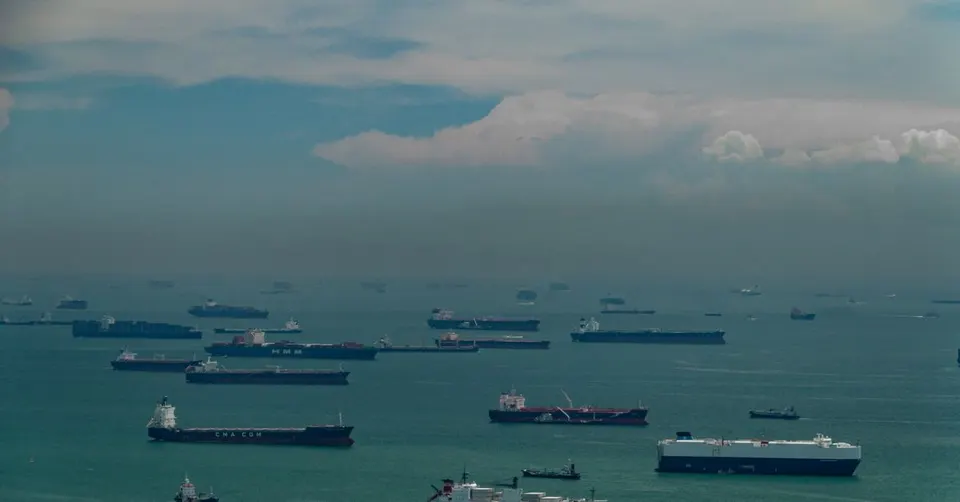
Global financial markets have entered a period of intense volatility as the fragile optimism surrounding a potential US-Iran peace deal has effectively collapsed. Following the expiration of the ceasefire on Monday night without a concrete agreement, government borrowing costs across the United States, United Kingdom, and Germany have surged to multi-decade highs. Specifically, the U.S. 30-year Treasury yield has touched levels not seen since 2007, a clear signal that investors are bracing for a prolonged period of geopolitical instability and persistent inflation. The primary driver of this anxiety is the continued closure of the Strait of Hormuz, which remains a critical chokepoint for global energy supplies.
For the Iranian market, this shift has had immediate consequences. The US Dollar (USD) sell rate in Tehran has climbed to 188,400 Toman, marking a 0.8% increase within the last 24 hours. As hopes for sanctions relief and the reopening of trade routes fade, the Rial continues to face downward pressure. This is not merely a localized currency fluctuation; it is a reflection of the global "risk-off" sentiment where capital is fleeing emerging markets in favor of the safety of high-yield government bonds in the West. The failure to secure a diplomatic breakthrough means that the economic siege on Iran is likely to intensify, further straining the domestic economy and driving up the cost of imported goods.

Ebola Outbreak in DRC Outpacing Global Response Efforts
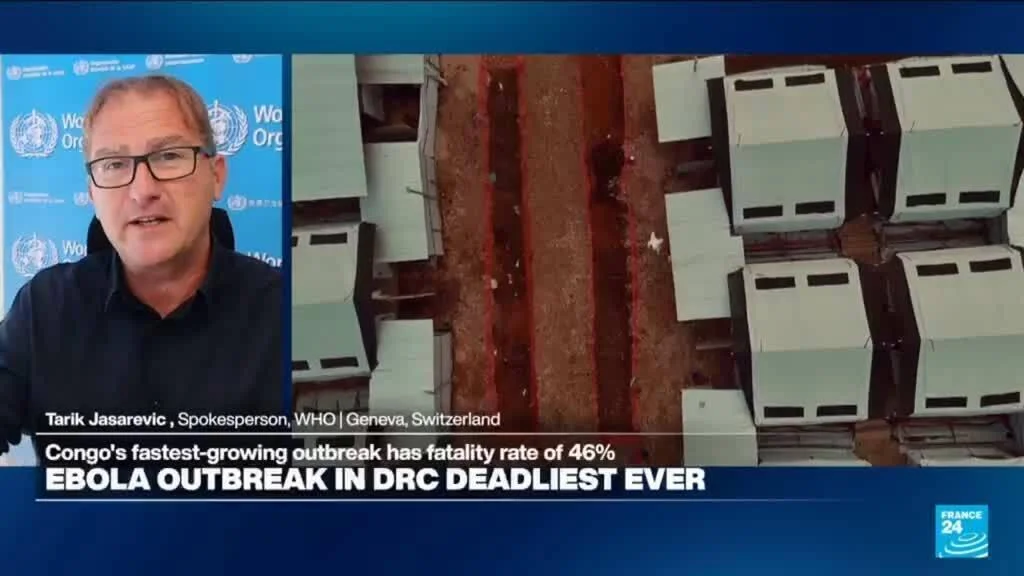
The World Health Organization (WHO) has issued a dire warning regarding the Ebola outbreak in the Democratic Republic of Congo (DRC), stating that the virus is now "outpacing the response." According to WHO spokesperson Tarik Jašarević, the current outbreak is the deadliest on record, with transmission chains going undetected due to ongoing conflict and humanitarian pressures in the region. The difficulty in surveillance is compounded by a lack of community trust, which prevents effective contact tracing and early treatment. This lack of cooperation means that many infected individuals remain outside treatment centers, increasing the risk of a wider regional epidemic.
This health crisis carries significant implications for global stability and the humanitarian landscape. When a virus like Ebola circulates in a conflict zone, it creates a feedback loop of instability: the disease weakens the workforce and social structures, while the lack of security prevents medical teams from reaching those in need. For international observers, this serves as a grim reminder of how localized health crises can rapidly evolve into global security threats when combined with political volatility. The inability to contain the virus within the DRC could lead to strict travel restrictions and further disruptions to African trade networks, which are already struggling under the weight of global economic shifts.

Iran’s Rimdan Free Zone Targets $8 Billion Trade Amid Economic Uncertainty
Amidst the broader geopolitical gloom, Iranian officials are attempting to project a sense of economic progress by highlighting the potential of the Rimdan Free Zone. According to reports from state-aligned media outlet IRNA, the zone is targeting an annual trade volume of $7.5 to $8 billion. Officials claim that 88 investment projects are currently in the works to transform this southeastern border crossing into a major transit hub. The government’s narrative focuses on diversifying trade routes and bypassing traditional sanctions-heavy corridors by leveraging the strategic location near the Pakistani border.
However, these ambitious targets must be viewed with skepticism given the current macroeconomic climate. While the official rhetoric emphasizes growth and resilience, the domestic reality is characterized by a 0.7% rise in gold prices (now at 19,310,679 Toman per gram) and a persistent rise in the price of the Emami coin, which reached 191,500,000 Toman today. Attracting $8 billion in annual trade requires not just infrastructure, but a stable currency and international banking access—two things that remain elusive as long as the conflict with the West persists. For the average Iranian citizen, the promise of future trade hubs offers little relief from the immediate reality of rising inflation and the eroding value of their savings.
Tech Giants and Sports Icons Face Legal and Ethical Scrutiny
In the world of technology and social ethics, two major stories are unfolding that highlight the increasing pressure on institutions to maintain safety and accountability. OpenAI has announced a new "Teen Mode" for ChatGPT, designed to implement stricter safeguards for younger users. This move comes as regulators worldwide scrutinize the impact of artificial intelligence on adolescent mental health and data privacy. By creating a dedicated environment for teens, OpenAI is attempting to get ahead of potential legislation that could limit the use of AI in educational and social settings. This reflects a broader trend where tech companies are being forced to self-regulate to avoid more heavy-handed government intervention.
Meanwhile, in the realm of professional sports, the Sydney Swans AFL club is facing a major internal crisis. The club's board is meeting to decide on sanctions for players involved in a "serious breach" of standards related to sexual assault allegations at a Melbourne hotel. While no charges have been laid yet, the league's leadership has described the reports as "deeply concerning." This situation underscores the growing intolerance for misconduct in high-profile organizations and the speed at which sponsors and the public demand accountability. For the tech and sports sectors alike, the message is clear: institutional reputation is now inextricably linked to ethical conduct and the proactive protection of vulnerable groups.
Watch
Ebola in DRC: Deadliest outbreak on record ‘outpacing the response’ • FRANCE 24 English
FRANCE 24 English
Frequently Asked Questions
Why did the 30-year Treasury yield hit a 2007 high today?
How is the Ebola outbreak in the DRC different from previous ones?
Is the $8 billion trade target for the Rimdan Free Zone realistic?
The Interplay of Geopolitical Risk and Bond Yields
The recent surge in bond yields to levels not seen since 2007, particularly for long-term Treasury bonds, highlights a critical relationship between global financial markets and geopolitical events. When headlines suggest a deterioration in international relations, such as the fading hopes for peace talks between the US and Iran, it introduces significant uncertainty into the global economic outlook. This uncertainty is what economists and financial analysts refer to as geopolitical risk, and it profoundly influences investor behavior and asset prices, especially in the bond market.
Geopolitical risk manifests in various ways, from potential disruptions to oil supplies and trade routes to increased defense spending and heightened inflation expectations. When investors perceive a higher risk environment, they often become more risk-averse. This can lead to a "flight to safety" into traditionally stable assets, but crucially, it can also trigger a broader sell-off in assets, including bonds, if the risk is seen as systemic or if it fuels expectations of higher inflation or tighter monetary policy. A global bond sell-off, where investors collectively sell their bond holdings, drives bond prices down.
Bond yields and bond prices move inversely. When bond prices fall due to a sell-off, their yields — the return an investor earns on a bond — consequently rise. This is because the fixed interest payment (coupon) becomes a larger percentage of the now lower bond price. The recent high yields on 30-year Treasury bonds suggest that investors are demanding a significantly higher return to compensate for perceived risks, including the potential economic fallout from geopolitical tensions and possibly the expectation of central banks needing to keep interest rates higher for longer to combat inflation.
Higher bond yields have far-reaching implications. For governments, it means the cost of borrowing increases, potentially straining national budgets and limiting their ability to fund public services or stimulus programs. For businesses, it translates to higher costs for corporate debt, which can curb investment and economic expansion. Ultimately, the interplay between geopolitical developments and bond markets serves as a crucial barometer of global economic confidence and future growth prospects, underscoring how political stability is intricately linked to financial stability.
Topics
Related Articles