UK Fuel Watchdog Slams Retailers Amid Iran Conflict; Meta Faces $200B Landmark Trial
هشدار نهاد نظارتی بریتانیا درباره قیمت سوخت در پی جنگ ایران؛ متا با جریمه ۲۰۰ میلیارد دلاری روبرو شد
British regulators have warned that petrol stations are failing to pass on wholesale price drops as the regional conflict continues to strain energy markets. Meanwhile, Meta enters a historic legal battle over child safety that could cost the tech giant billions.
At time of publishing
USD
188,500
Toman
Gold 18K
19.31M
Toman / gram
Bitcoin
$64,248
US Dollar
Tether
187,200
Toman
UK Fuel Retailers Under Fire for 'Passive Pricing' Amid Regional Conflict
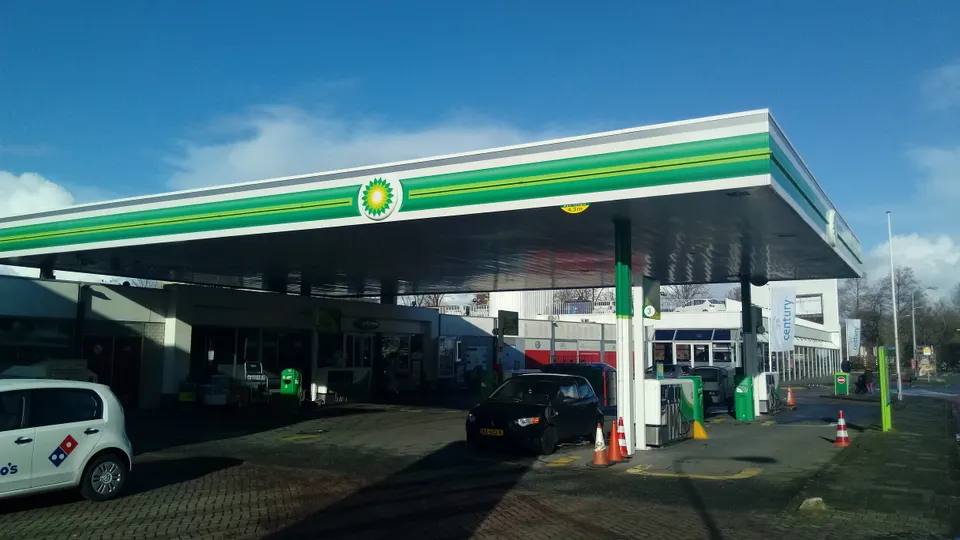
The UK’s Competition and Markets Authority (CMA) has issued a stern warning to fuel retailers, accusing them of being too slow to pass on falls in wholesale prices to consumers. In its latest quarterly update, the watchdog highlighted that more than 1,000 warning letters have been sent to petrol stations failing to participate in the Fuel Finder service. The CMA expressed deep concern over "passive pricing strategies," which have allowed profit margins to remain artificially high even as wholesale costs fluctuate. This delay in price adjustment comes at a critical time when global energy markets are already under immense pressure due to the ongoing conflict involving Iran, which has created a volatile backdrop for fuel supply chains.
For the average consumer, this means the relief felt in global markets is not reaching their pockets. The watchdog noted that while wholesale prices have seen periods of decline, the retail sector has maintained a buffer that protects corporate profits at the expense of drivers. The situation is exacerbated by the broader geopolitical instability, which retailers often use as a justification for keeping prices elevated. The CMA’s intervention suggests that without stricter transparency and more aggressive competition, the cost of living will continue to be unnecessarily burdened by the energy sector's refusal to align with market realities.
---
Meta Faces $200 Billion Legal Threat Over Child Safety Concerns
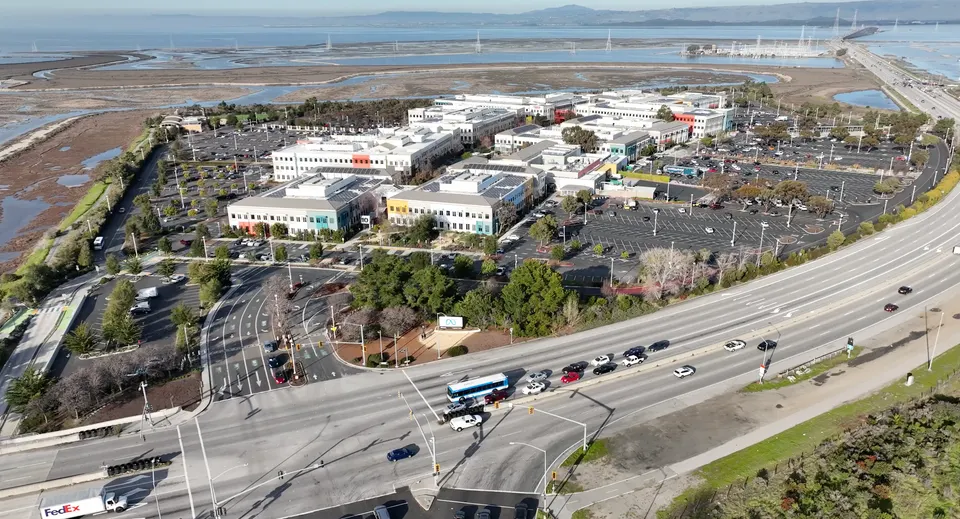
In one of the most significant legal challenges in the history of social media, Meta is set to go to trial this Tuesday as over half of the states in the US join forces in a massive lawsuit. The attorneys general accuse the parent company of Instagram and Facebook of deliberately designing addictive products that have caused documented harm to young people. The 233-page lawsuit alleges that Meta’s algorithms were engineered to exploit the psychological vulnerabilities of children and teenagers, leading to a mental health crisis. If found liable, the financial consequences could be staggering, with potential damages estimated as high as $200 billion—a figure equivalent to Meta’s entire annual revenue for 2025.
Beyond the financial penalties, the lawsuit seeks to compel Meta to fundamentally redesign its platforms. This could include disabling certain notification types, changing the way content is served to minors, and increasing parental oversight tools. Meta has consistently defended its practices, claiming it has introduced numerous features to protect teens, but the scale of this bipartisan legal action suggests that lawmakers are no longer satisfied with self-regulation. The outcome of this trial will likely set a global precedent for how tech giants are held accountable for the societal impact of their technology, potentially forcing a total overhaul of the social media business model as we know it.
---
Market Volatility: Hormuz Tensions Drive Toman and Gold Higher
The Iranian domestic market is showing clear signs of stress as maritime tensions in the Strait of Hormuz reach a boiling point. Recent reports indicate that tanker traffic has become increasingly erratic, with several vessels making sudden U-turns or idling in northern lanes under Iranian control. This uncertainty has immediately translated into currency and commodity fluctuations in Tehran. The USD/IRR exchange rate moved from 186,950 to 188,500 (+0.8%) within the last 24 hours, reflecting a flight to safety among local investors who fear further disruptions to oil exports and regional stability.
Gold prices followed a similar upward trajectory, with 18k gold rising from 19,183,711 to 19,310,679 Toman per gram, a gain of 0.7%. The Emami coin also saw a 0.5% increase, climbing from 190,500,000 to 191,500,000 Toman. These movements are not merely speculative; they represent a direct reaction to the heightening security risks in the Persian Gulf. As Saudi Arabia postpones major events like the Esports Nations Cup to 2027 due to the ongoing conflict, the economic shadow over the region grows longer. For Iranians, the rising cost of the dollar and gold serves as a hedge against a geopolitical situation that shows no signs of immediate de-escalation.
Frequently Asked Questions
Why are UK fuel prices not falling despite wholesale drops?
What is the basis of the $200 billion lawsuit against Meta?
How is the Strait of Hormuz situation affecting the Iranian Toman?
The Geopolitical Significance of the Strait of Hormuz for Global Oil Markets
The news headline referencing an "Iran Conflict" and its potential impact on "UK fuel prices" immediately brings into focus one of the world's most critical geopolitical chokepoints: the Strait of Hormuz. This narrow waterway, located between Oman and Iran, serves as the sole sea passage from the Persian Gulf to the open ocean, making it indispensable for global energy trade. Understanding its strategic importance is key to grasping how regional tensions can ripple through international markets, affecting everything from crude oil benchmarks to the price at your local petrol station.
Roughly one-fifth to one-third of the world's total petroleum liquids consumption, including crude oil and refined products, passes through the Strait of Hormuz daily. This makes it the most important oil transit chokepoint globally. Any disruption, perceived or real, due to political instability, military confrontations, or even threats of closure, can send shockwaves across the global economy. Oil prices become highly volatile, impacting energy-importing nations like the UK, where consumer fuel costs directly reflect these international market fluctuations.
The vulnerability of the Strait of Hormuz stems from its geography. At its narrowest point, the shipping lane is only about 21 miles (34 km) wide, with inbound and outbound traffic lanes just two miles wide each, separated by a two-mile buffer zone. This confined space, coupled with its strategic location adjacent to major oil-producing nations, means that even minor incidents can trigger significant market anxiety, leading to speculation and price surges. For instance, past tensions involving Iran have historically caused spikes in oil prices as traders price in the risk of supply disruptions.
Therefore, when headlines mention conflicts involving Iran, especially those with potential maritime implications, the global energy sector and consumer markets pay close attention. The Strait of Hormuz acts as a barometer of geopolitical stability in the Middle East, directly influencing the security of global oil supply and, consequently, the economic well-being of nations worldwide. The "UK Fuel Watchdog" warning retailers about prices during such times underscores the direct link between distant geopolitical events and domestic consumer costs.
Topics
Related Articles