Conflict Toll Reaches 3,168 as Tensions Drive USD to 188,800; Peacock Hikes Streaming Rates
آمار شهدای جنگ به ۳۱۶۸ نفر رسید؛ جهش دلار به ۱۸۸ هزار تومان و موج جدید گرانی خدمات آنلاین
Iran's Martyrs Foundation reports over 3,000 casualties in the 40-day conflict with US-Israel forces, sending the Toman to new lows. Meanwhile, global streaming costs rise as Peacock increases prices, and Japan's Metaplanet doubles down on Bitcoin.
At time of publishing
USD
188,800
Toman
Gold 18K
19.37M
Toman / gram
Bitcoin
$64,773
US Dollar
Tether
187,150
Toman
Conflict Toll Hits 3,168 as Iranian Markets React to Escalation
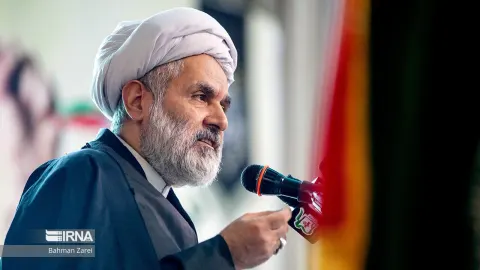
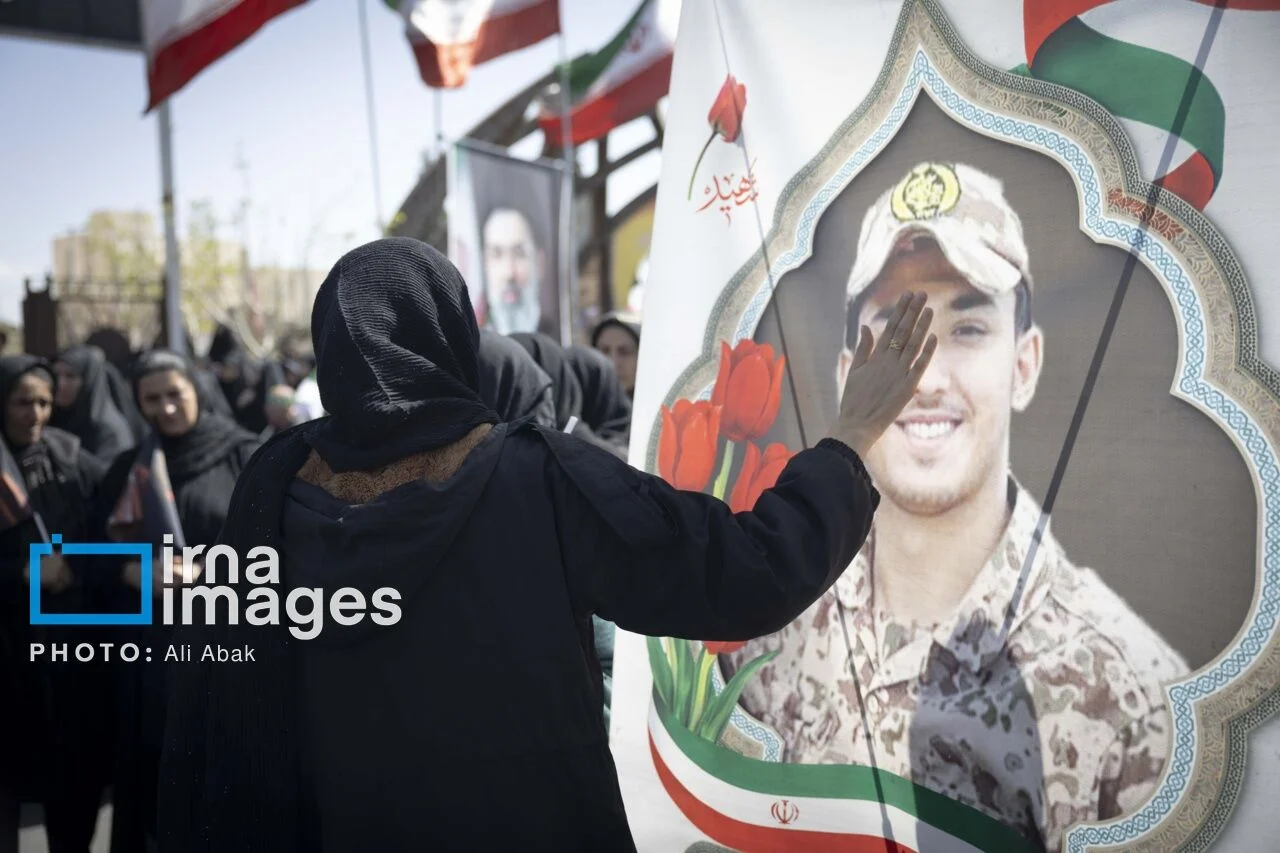
The human cost of the ongoing 40-day conflict between Iran and the US-Israel axis has reached a grim milestone. According to claims made by the social affairs deputy of the Martyrs Foundation of Iran, the number of verified martyrs has now reached 3,168, a figure that includes both military personnel and civilians. This announcement, reported by state-run IRNA, underscores the intensity of a war that has shifted from localized skirmishes to a sustained regional confrontation. The Iranian Embassy in London has characterized Western actions as a "repetition of historical mistakes," though independent verification of the total casualty count remains challenging due to the fog of war.
This escalating toll has had a direct and immediate impact on the domestic economy. The Iranian Toman has faced renewed pressure, with the USD/IRR exchange rate rising from 186,950 to 188,800 (+1.0%) within the last 24 hours. Market participants are increasingly pricing in the risk of a long-term conflict, leading to a flight toward hard assets. Gold 18k/gram followed suit, moving from 19,183,711 to 19,366,083 (+1.0%), while the Emami coin rose by 0.8% to reach 192,000,000 Toman. For the average Iranian, these numbers represent more than just market data; they signal a deepening cost-of-living crisis driven by geopolitical instability.
The broader implication for the region is a hardening of diplomatic stances. As Tehran formalizes its casualty figures, the window for negotiation appears to be closing, replaced by a narrative of national sacrifice. This domestic framing is intended to bolster internal support but also signals to international observers that the Iranian leadership is prepared for a protracted struggle. For investors, the takeaway is clear: the "war premium" on the Toman and gold is unlikely to dissipate in the near term, as the psychological barrier of 190,000 for the USD looms closer.
Geopolitical Volatility Spreads to Europe and the Mediterranean
While the Middle East remains the primary focus, geopolitical tensions are manifesting in lethal ways across Europe. In Greece, authorities are investigating a tragic helicopter crash on the island of Sifnos that claimed the lives of British newlyweds Marie Ebert and Alexander Cromie, along with their pilot. Preliminary reports suggest a mechanical fault, with witnesses describing a "strange noise" before the Bell 206 aircraft exploded on impact. While seemingly localized, such incidents involving high-profile Western citizens in the Mediterranean are being scrutinized for any links to the broader atmosphere of heightened alert and potential sabotage, although no evidence of foul play has yet emerged.
Simultaneously, the United Kingdom is grappling with its own security and infrastructure challenges. Prime Minister Keir Starmer has signaled a major shift in domestic policy, confirming that the West Midlands will follow Manchester and London in taking public control of local bus networks. This move, aimed at protecting jobs and stabilizing transport, comes at a time when the UK's foreign policy is under fire. Moscow has recently threatened London with "consequences" following reports that British-made drones were used by Ukraine to strike targets deep inside Russian territory. This entanglement of domestic economic shifts and aggressive foreign policy highlights the precarious position of Western governments during this global period of unrest.
These events collectively suggest a world where the "safety net" of international travel and trade is fraying. For the Iranian reader, the UK’s move to nationalize transport and the threats from Moscow are reminders that economic and physical security are becoming scarce commodities globally. The interconnectedness of these crises means that a drone strike in Russia or a crash in Greece can ripple through global insurance and energy markets, further complicating the recovery of the Iranian Toman.
Tech and Media Inflation: The Rising Cost of Digital Escapism
As the world burns, the cost of escaping into digital entertainment is also rising. Peacock, the streaming service owned by NBCUniversal, has announced another price hike, with its cheapest tier rising from $7.99 to $8.99 per month and its ad-free Premium Plus plan jumping to $12.99. This move follows a broader trend in the tech industry where companies are prioritizing profitability over user growth in a high-interest-rate environment. For global consumers, including those in Iran using VPNs and international accounts, the "subscription creep" is becoming a significant monthly burden.
In a parallel development, OpenAI has launched a new version of ChatGPT specifically designed for teenagers, incorporating stricter safety measures and parental controls. While marketed as a tool for learning, the timing—years after teens began using the platform—suggests a defensive move against increasing regulation. This pivot toward safer, age-restricted AI reflects a maturing tech sector that is finally addressing the societal impacts of its products. However, for many users, the primary concern remains the rising cost of the underlying technology and the services that host it.

Crypto Markets Pinched by War Jitters Despite Institutional Gains
Bitcoin remains pinned at the $64,000 level, currently trading at $64,773, as the market struggles to balance institutional adoption with regional war fears. The ongoing conflict in the Middle East and jitters over potential interest rate hikes have kept a lid on crypto prices, preventing a breakout to previous highs. Despite this stagnation, institutional players are not backing down. Citigroup has announced the launch of Bitcoin custody services for its institutional clients, a major signal that the world's largest banks view crypto as a permanent fixture of the financial system.
In Japan, the firm Metaplanet is aggressively expanding its Bitcoin treasury, launching a new U.S.-based entity funded by a $135 million deal. By contributing over 2,100 BTC to this new venture, Metaplanet is positioning itself as the "MicroStrategy of Asia." This contrast between short-term price suppression due to war and long-term institutional accumulation creates a volatile environment for retail traders. For those in Iran, the stability of Tether (USDT) at 187,150 Toman remains a critical lifeline for preserving capital as the local currency continues its downward trajectory.
Frequently Asked Questions
How does the official martyr count affect the USD/IRR exchange rate?
Why is Citigroup launching Bitcoin custody during a period of high geopolitical risk?
What is the significance of the UK's move to public bus control for global markets?
Geopolitical Instability and Currency Depreciation
Geopolitical conflicts, like the one mentioned in your headline, are often direct drivers of significant economic instability, particularly impacting a nation's currency. When political tensions escalate into conflict, the value of a country's currency typically depreciates rapidly, leading to inflation and a decline in purchasing power. This phenomenon isn't just an abstract economic theory; it's a lived reality for populations in affected regions, where daily necessities become increasingly expensive as local currency buys less.
Several mechanisms contribute to this depreciation. Firstly, capital flight occurs as domestic and international investors lose confidence in the country's economic future and move their assets to safer havens abroad. This exodus reduces demand for the local currency. Secondly, foreign direct investment (FDI) dries up, further weakening the currency as fewer foreign companies are willing to invest. Thirdly, governments often resort to printing more money to finance war efforts and maintain public services, a process known as seigniorage, which directly fuels inflation and dilutes the currency's value.
Beyond capital flight and monetary expansion, conflicts disrupt supply chains, leading to shortages of goods and increased import costs. If a country relies heavily on imports, a weaker currency makes those imports prohibitively expensive, contributing to domestic price hikes. Citizens, observing the erosion of their currency's value, often seek refuge in more stable assets like gold or foreign currencies (such as the USD in the headline's example), further accelerating the local currency's decline.
The interplay of these factors creates a vicious cycle where instability feeds depreciation, and depreciation exacerbates economic hardship, potentially prolonging the conflict's economic toll. Understanding this direct link between geopolitical events and currency performance is crucial for interpreting global news and its real-world implications for markets and everyday citizens. The reported USD to IRR exchange rate is a stark illustration of this principle in action.
Topics
Related Articles