Trump’s 'US Territory' Claim Triggers Media War as USD Hits 188,800 in Tehran
ادعای ترامپ درباره مالکیت هرمز و جنگ رسانهای در آمریکا؛ دلار در تهران به ۱۸۸،۸۰۰ تومان رسید
Donald Trump's aggressive rhetoric regarding the Strait of Hormuz has sparked a domestic battle with media outlets like ABC, while the Iranian Toman devalues by 1% in an hour. As Saudi Aramco seeks bypasses for the world's most critical oil chokepoint, global bond yields hitting 6% are threatening to crush both stocks and crypto.
At time of publishing
USD
188,800
Toman
Gold 18K
19.32M
Toman / gram
Bitcoin
$64,780
US Dollar
Tether
187,210
Toman
The Media War Over Trump’s 'New US Territory' Rhetoric
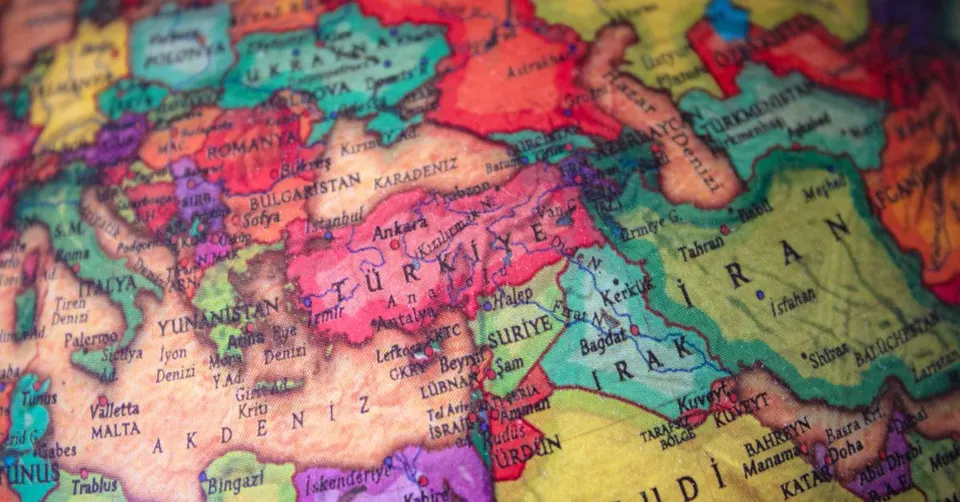
At 19:00 Tehran time, the geopolitical temperature has spiked following Donald Trump’s latest social media escalation, where he shared a map of the Strait of Hormuz labeled as "New US Territory." This rhetorical claim, which follows his earlier statements about blockading Iran, has moved beyond mere campaign bluster into a full-scale confrontation with the American media establishment. Advocacy organizations are currently rallying behind ABC News after the Trump administration’s Federal Communications Commission (FCC) commissioner, Brendan Carr, was accused of weaponizing regulatory authority to pressure outlets critical of the president’s aggressive Middle East posture. The Foundation for Individual Rights and Expression (FIRE) has explicitly backed ABC, stating that the network is right to resist "pressure tactics" that threaten the First Amendment.
For the Iranian market, this political infighting in Washington is not merely an academic exercise in free speech. The uncertainty regarding a potential blockade or a formal change in US naval policy has immediate consequences for the Toman. In the last 24 hours, the USD/IRR exchange rate moved from 186,950 to 188,800, representing a sharp 1.0% devaluation. This move reflects a growing anxiety among local traders that the rhetoric might eventually manifest as physical disruptions in the Persian Gulf. As the Trump administration threatens to use the FCC as a tool of geopolitical enforcement, the domestic US political landscape is becoming as volatile as the shipping lanes themselves.
The Energy Paradox: Crude Stabilizes While Diesel Explodes
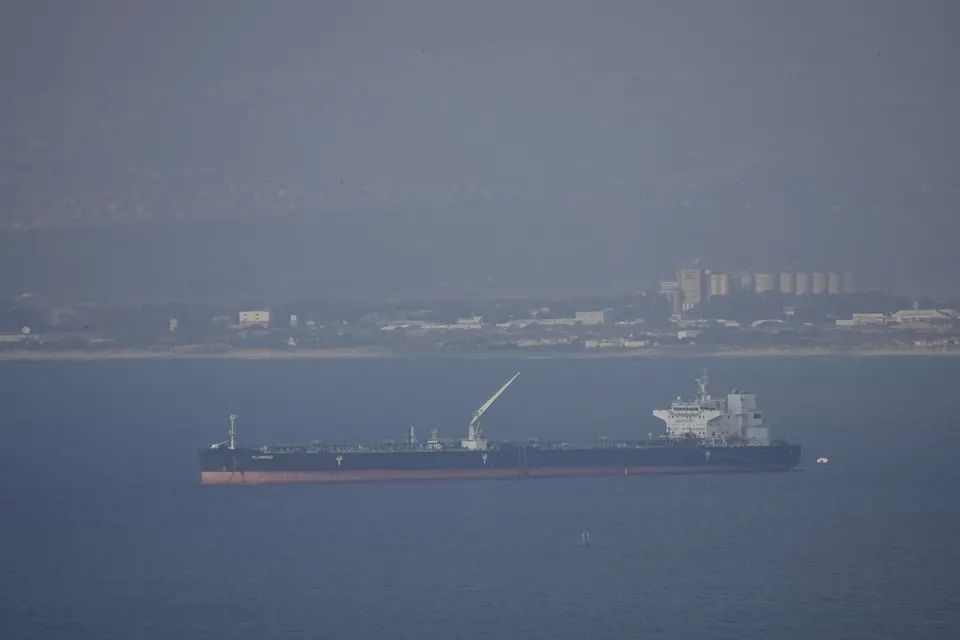
While the world watches the headline price of Brent crude, which currently sits near $91, a much more dangerous crisis is brewing in the refined products market. Energy analyst Jeff Currie recently warned that the real energy shock is not in the $91 crude, but in the $170 diesel prices seen in Europe. This disconnect highlights a critical failure in global refining capacity that is being exacerbated by the tensions in the Strait of Hormuz. While crude oil is the raw material, it is diesel and jet fuel that power the global economy, and these markets are showing signs of extreme distress. Refineries are struggling to keep up with demand while insurance and freight costs for moving fuel out of the Gulf have become prohibitively expensive.
Simultaneously, Saudi Aramco is attempting to mitigate the risks of a Hormuz blockade by accelerating its "East-to-West" pipeline strategies. However, bypassing the world’s most significant oil chokepoint is proving to be a logistical nightmare. Very Large Crude Carrier (VLCC) rates have gone "ballistic," with some Middle East-to-China voyages now commanding over $500,000 per day. This surge in freight costs acts as a hidden tax on global consumers and is a primary driver behind the 0.7% rise in gold prices in Tehran, as investors seek a hedge against what looks like a prolonged period of energy-driven inflation. Gold 18k/gram in Tehran rose from 19,183,711 to 19,324,530 Toman, tracking the rising risk premium in the energy sector.
Bond Market Rout and the 'Liquidity Illusion' in Crypto
Global financial markets are currently facing a "perfect storm" as long-term borrowing costs reach multi-decade highs. The 30-year US Treasury yield is flirting with the 6% mark, a level that historically triggers significant sell-offs in risk assets like stocks and cryptocurrencies. This surge is driven by fears over the ballooning US national debt, which is fast approaching $40 trillion, and the massive capital requirements of AI hyperscalers who are issuing bonds at an unprecedented rate. For Bitcoin, which is currently trading at $64,780, this macro environment is a severe test of its "digital gold" narrative. Analysts are warning that the recent rebound to $64K might be a "liquidity illusion," as trading volumes remain thin while institutional capital flows toward the safety of high-yielding government debt.
This global bond rout has a direct transmission mechanism to the Iranian economy. As global yields rise, the US dollar strengthens against almost all emerging market currencies and high-risk assets. In Tehran, the Emami coin has already reacted to this shift, rising from 190,500,000 to 192,000,000 Toman (+0.8%) within 24 hours. The combination of domestic geopolitical fear and a global tightening of liquidity is creating a pincer movement on the Toman’s purchasing power. Investors should be wary of the volatility in the crypto space; if the 6% Treasury yield becomes the new floor, the pressure on Bitcoin and Ethereum could intensify, potentially breaking the $60,000 support level if the "debt fear" narrative continues to dominate the headlines.
Frequently Asked Questions
What is the legal basis for Trump's 'US Territory' claim over the Strait of Hormuz?
Why is the price of diesel rising faster than crude oil?
How do 6% US Treasury yields affect the Iranian Toman?
The Geopolitical Significance of Maritime Choke Points: The Strait of Hormuz
Maritime choke points are narrow sea lanes that are vital for global trade and energy supply. Their strategic importance stems from the immense volume of goods and resources, particularly oil and natural gas, that must pass through them to reach international markets. Any disruption or threat to these passages can have profound geopolitical and economic consequences, making them flashpoints for international tension and a critical focus for global security.
Among the most critical of these choke points is the Strait of Hormuz. Located between the Persian Gulf and the Gulf of Oman, this narrow waterway is the sole maritime passage from the oil-rich Persian Gulf to the open ocean. An estimated one-fifth of the world's total oil consumption and a significant portion of its liquefied natural gas (LNG) transit through the Strait daily, making it indispensable for global energy security and a linchpin of the international economy.
The legal status of such international straits is governed by international law, primarily the United Nations Convention on the Law of the Sea (UNCLOS). UNCLOS guarantees the right of "transit passage" through straits used for international navigation, ensuring that all ships, including warships, can pass through without impediment, provided they proceed continuously and expeditiously. A claim of a strait being "US Territory," as mentioned in the headline, directly contradicts these established principles of international law, which uphold freedom of navigation in these critical waterways.
Such a provocative claim would be highly contentious, as it challenges the sovereignty of bordering states and the fundamental right of international transit. The geopolitical implications are immense: any attempt to unilaterally control or restrict passage through the Strait of Hormuz could trigger severe international crises, disrupt global energy markets, and lead to significant spikes in oil and gas prices. The economic ripple effects would be felt worldwide, impacting everything from transport costs to manufacturing, underscoring why the legal and operational status of maritime choke points remains a constant focus of international diplomacy and security.
Topics
Related Articles