Syria’s ‘Nuclear Secret’ Stuns IAEA as Tehran Tensions Drive USD to 188,500
کشف «اسرار هستهای» در سوریه؛ جهش دلار به ۱۸۸,۵۰۰ تومان در سایه تنشهای منطقهای
IAEA inspectors have discovered 'tons' of undeclared nuclear material in Syria, sending shockwaves through the Middle East. Meanwhile, the USD in Tehran has climbed 0.8% to 188,500 Toman as regional uncertainty intensifies.
At time of publishing
USD
188,500
Toman
Gold 18K
19.29M
Toman / gram
Bitcoin
$64,663
US Dollar
Tether
188,482.125
Toman
The Syrian Nuclear Bombshell and Regional Fallout
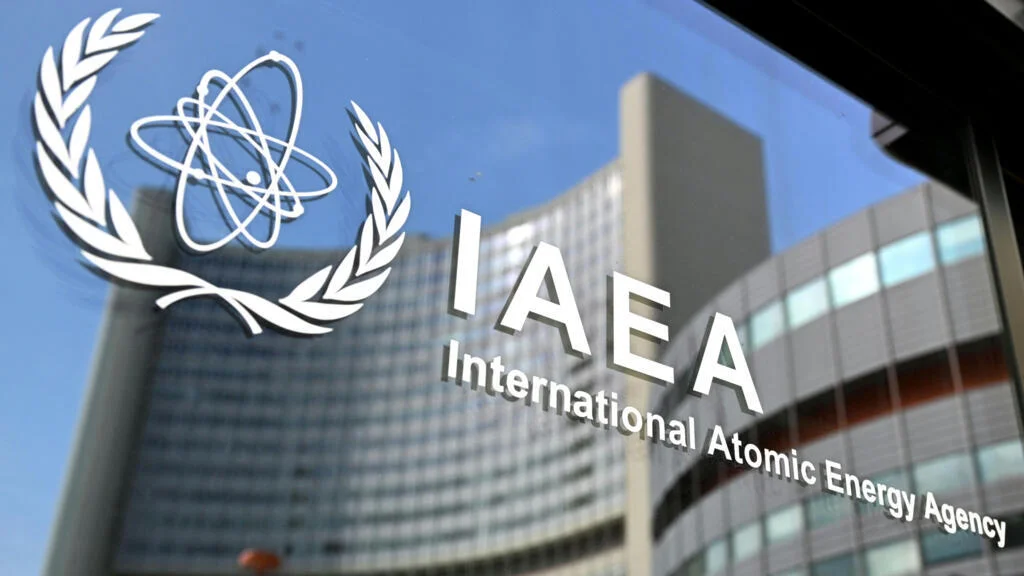
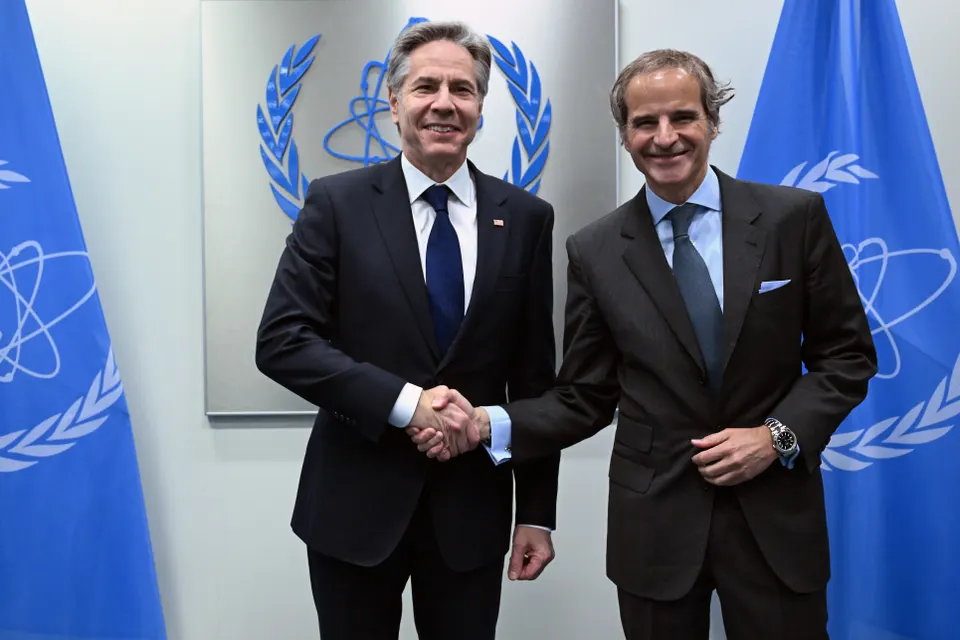
In a development that has immediately recalibrated the geopolitical risk profile of the Middle East, Rafael Grossi, head of the International Atomic Energy Agency (IAEA), announced on Tuesday that inspectors have discovered several "tons of nuclear materials" at a previously undisclosed site in Syria. This discovery dates back to the rule of previous authorities but remains highly sensitive given Syria's close military and strategic ties with Tehran. While Syrian Foreign Minister Asaad al-Shaibani was quick to claim the material was intended for peaceful purposes and posed no danger, the timing of the disclosure—amidst an ongoing regional conflict—has raised alarms in Western capitals and Jerusalem alike.
For the Iranian reader, this discovery is more than just a headline from a neighboring ally. It signals a potential tightening of the international monitoring net around the "Axis of Resistance" and could serve as a precursor to renewed sanctions or military posturing. The discovery adds a new layer of complexity to the already strained relations between the West and the regional bloc led by Iran, particularly as Israel continues to strike Syrian military targets, including a recent raid on an air base that drew rare criticism from the United States. This environment of "undisclosed secrets" and sudden discoveries typically translates to immediate volatility in the currency markets of Tehran.
Tehran Markets React: USD and Gold on the Rise
The ripple effects of the IAEA announcement and the general regional stalemate were felt instantly in the Ferdowsi and Sabze-Meydan markets. The US Dollar (USD) rose from 186,950 to 188,500 Toman, marking a 0.8% increase within a 24-hour window. This upward pressure is a direct reflection of the "war premium" being baked into the currency as traders hedge against further escalations in Syria or the Persian Gulf. Gold followed a similar trajectory, with 18k gold per gram rising 0.6% to reach 19,292,211 Toman, while the Emami coin surged 0.8% to a staggering 192,000,000 Toman.
This market movement suggests that despite official rhetoric from Tehran attempting to project stability, the private sector remains deeply cautious. Foreign Minister Abbas Araghchi is scheduled to appear in a televised interview tonight to review his two-year record, a move intended to provide "public accountability." However, for many Iranians, the accountability that matters most is reflected in the purchasing power of their savings. As long as the geopolitical landscape remains littered with undisclosed nuclear sites and military strikes, the Toman is likely to remain under significant pressure, with the 190,000 level for USD now appearing as a psychological barrier within reach.
Bitcoin Recovers Amidst Institutional Moves and Global Rhetoric
While the Iranian market grapples with regional tensions, the global cryptocurrency market showed signs of resilience. Bitcoin (BTC) managed to tag the $65,000 mark for the first time in a week, a move fueled by a rebound in the S&P 500 and US claims that the Strait of Hormuz remains "open and operating" despite recent threats. This rhetoric from Washington served to soothe some investor fears, allowing Bitcoin to reclaim its position as a high-beta asset that benefits from temporary de-escalations in global tension. Currently, BTC is trading at $64,663, holding firm even as other traditional markets remain mixed.
Institutional adoption continues to provide a floor for the crypto market. Tokyo-based Metaplanet has announced an expansion of its Bitcoin treasury strategy into the US market through a 2,100-BTC play involving the Nasdaq-listed Super League Enterprise. This move is significant because it utilizes existing Bitcoin holdings to gain a foothold in US capital markets rather than just buying more coins on the spot market. For Iranian crypto investors, this global trend toward institutionalizing BTC provides a glimmer of hope that their digital assets may serve as a more stable long-term hedge than the local currency, provided they can navigate the tightening financial chokeholds that are currently stifling economies across the Levant and the West Bank.
Frequently Asked Questions
What exactly did the IAEA find in Syria?
Why is the USD rising in Tehran despite 'peaceful' claims from Syria?
How is Bitcoin reacting to the Strait of Hormuz situation?
What is the significance of Metaplanet's Nasdaq move?
Geopolitical Tensions and Currency Devaluation
Currency devaluation occurs when a nation's currency loses value relative to other major currencies, meaning it takes more local currency to buy a unit of foreign currency. While often a deliberate policy choice by central banks to boost exports, devaluation can also be an involuntary and severe consequence of economic instability, high inflation, or, significantly, escalating geopolitical tensions. Unlike a planned depreciation, involuntary devaluation signals a loss of confidence in a country's economic future and its government's ability to manage its finances or maintain stability.
Geopolitical tensions, such as regional conflicts, international sanctions, or political unrest, profoundly impact a nation's currency. These events create immense uncertainty, deter foreign direct investment, and often lead to capital flight as investors seek safer havens for their assets. For instance, the threat of military confrontation or the imposition of new economic sanctions can drastically reduce a country's export revenues, limit its access to international markets, and make it difficult to secure foreign currency. This scarcity of foreign exchange, coupled with a lack of investor confidence, directly pressures the local currency to depreciate rapidly.
The depreciation of a currency due to geopolitical factors has severe consequences for ordinary citizens and the broader economy. Imports become significantly more expensive, leading to widespread inflation as the cost of essential goods, raw materials, and technology rises. This erodes the purchasing power of wages and savings, making daily life harder for the populace. Furthermore, businesses that rely on imported components face higher operational costs, potentially leading to reduced production, job losses, and a slowdown in economic growth. The struggle to maintain a stable currency often becomes a central battleground in nations grappling with external pressures.
In such scenarios, central banks often face an uphill battle. They might attempt to stabilize the currency by selling foreign reserves, raising interest rates, or implementing capital controls. However, these measures can be unsustainable or ineffective against overwhelming geopolitical forces. The long-term solution typically involves de-escalation of tensions, restoration of international trust, and fundamental economic reforms. Without these, a currency caught in the crosshairs of geopolitical conflict can continue its downward spiral, exacerbating economic hardship and social unrest.
Topics
Related Articles