US Sanctions ICC Leadership Over Gaza Probe as Aramco Resumes Hormuz Oil Shipments
تحریم مقامات دیوان بینالمللی کیفری توسط آمریکا همزمان با بازگشت نفتکشهای آرامکو به هرمز
The US has imposed sanctions on the ICC President and a key prosecutor over Gaza investigations, while Saudi Aramco ends its three-week pause on Hormuz tanker routes. In Tehran, the US Dollar rose 0.8% to 188,500 Toman as regional tensions persist.
At time of publishing
USD
188,500
Toman
Gold 18K
19.29M
Toman / gram
Bitcoin
$64,760
US Dollar
Tether
188,098
Toman
Washington Targets ICC Leadership Over Gaza Investigations
In a significant escalation of diplomatic and legal warfare, U.S. Secretary of State Marco Rubio announced new sanctions against Tomoko Akane, the President of the International Criminal Court (ICC), and Abdoulaye Seye, a prosecutor involved in investigating alleged war crimes in Gaza. Rubio characterized the Hague-based institution as a "corrupt and fatally politicized" body that has overstepped its jurisdictional mandate. This move signals a hardening of the U.S. stance against international oversight of Israeli military operations, effectively attempting to shield allies from the reach of the ICC's judicial processes.
The sanctions involve asset freezes and travel bans, measures typically reserved for high-ranking officials of adversarial states. Critics argue that this sets a dangerous precedent, undermining the very framework of international law that the U.S. helped build post-WWII. For the global community, this move deepens the divide between Western powers and the supranational institutions meant to govern global conduct. It also places the ICC in a precarious financial and operational position, as it now must navigate the complexities of being targeted by the world's primary financial superpower while attempting to maintain its independent investigations into the Middle East conflict.

Aramco Ends Hormuz Pause as Oil Markets Recalibrate
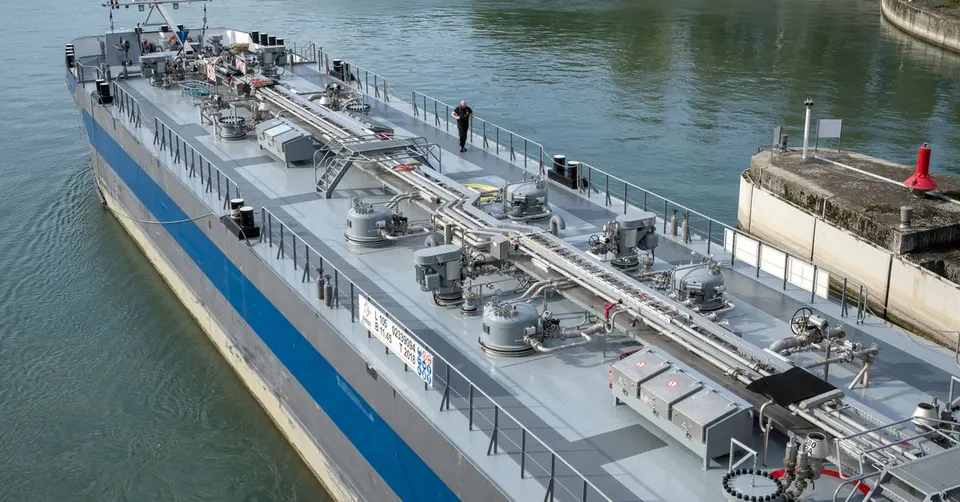
Saudi Aramco has resumed sending Very Large Crude Carriers (VLCCs) through the Strait of Hormuz, ending a three-week period of tactical avoidance driven by heightened security risks. Data from Kpler and Vortexa indicates that at least three major tankers—the Malaysia Prosperity, Algeria Prosperity, and Singapore Prosperity—have loaded approximately 2 million barrels each from the Ras Tanura and Juaymah terminals. This return to the world's most critical maritime chokepoint suggests that either the perceived threat level has stabilized or the logistical costs of bypassing the strait have become unsustainable for the Saudi oil giant.
This development is being closely watched by global energy traders as a barometer for regional stability. While the resumption of traffic might suggest a temporary cooling of maritime tensions, it also increases the density of high-value targets in a region where shadow warfare remains a constant threat. For the global economy, the steady flow of Saudi crude is essential to preventing further spikes in energy-driven inflation, particularly as global borrowing costs hit fresh highs. The move by Aramco could provide a slight psychological cushion to markets that have been on edge for weeks regarding potential supply disruptions.
Tehran Markets React to Syrian Escalation and Regional Tensions
In the Iranian capital, the foreign exchange market responded to the latest round of regional volatility with a clear upward trend. The US Dollar rose from 186,950 to 188,500 Toman, a 0.8% increase within the last 24 hours. This currency pressure coincided with reports from Iranian state media (IRNA) that several Arab and Islamic nations have condemned what they described as fresh Israeli aggression against Syria's Abu al-Duhur military airbase. Tehran’s official rhetoric remains sharp, calling for international intervention to halt these strikes, which the government views as a direct threat to the regional resistance axis.
The domestic gold market followed the dollar's lead, with the Emami coin rising from 190,500,000 to 192,000,000 Toman (+0.8%) and 18k gold per gram increasing by 0.6% to reach 19,292,211 Toman. Investors in Iran continue to treat gold and hard currency as the primary hedges against geopolitical uncertainty. As long as the shadow war between regional actors continues to manifest in strikes across Syria and Lebanon, the Toman is likely to remain under pressure, reflecting the high-risk premium currently baked into the Iranian economy.
Domestic Tragedy and Legal Developments Abroad
Away from the corridors of power, a tragic incident in New Orleans has highlighted the ongoing issue of urban decay in major American cities. Jacque St Ann, a 17-year-old high school student, fell to his death while exploring the abandoned 45-story Plaza Tower. The building, which has stood derelict for years, has become a symbol of city blight and the dangers associated with "urban exploration." Local authorities are facing renewed pressure to address the safety of such structures, which often become magnets for curious youth despite being fenced off and dangerous.
Meanwhile, in the world of professional sports and international law, former world snooker champion Graeme Dott has gone on trial in Scotland facing allegations of historic child abuse. The 2006 world champion is accused of lewd and libidinous behavior in Glasgow and South Lanarkshire. While unrelated to the broader geopolitical shifts, the trial has captured significant attention in the UK, serving as a reminder of the long reach of the justice system in addressing decade-old allegations against public figures. These domestic stories provide a stark contrast to the high-stakes diplomacy at the ICC, reminding readers of the local consequences of institutional and personal failures.
Frequently Asked Questions
Why did the US sanction the ICC President Tomoko Akane?
What does Saudi Aramco's return to the Strait of Hormuz signify?
How did the Tehran market respond to the latest regional news?
Understanding International Sanctions and Their Economic Impact
International sanctions are coercive tools used by countries or multilateral bodies to influence the behavior of governments, corporations, or individuals. They can take many forms, including trade embargoes, asset freezes, travel bans, and restrictions on financial transactions. The goal is to create economic pressure without resorting to military force, often to promote compliance with international law, human‑rights standards, or non‑proliferation norms.
The United States, the European Union, and the United Nations maintain separate legal frameworks for imposing sanctions, but they often coordinate to amplify their effect. In recent months the U.S. Treasury’s Office of Foreign Assets Control (OFAC) has targeted the leadership of the International Criminal Court (ICC) for alleged interference in a Gaza‑related investigation, illustrating how sanctions can be used to punish perceived political overreach. While the ICC itself does not have enforcement powers, the U.S. can leverage its financial system to restrict the ICC officials’ access to U.S. dollars and other assets.
Sanctions reverberate most sharply in sectors that rely on global trade, especially oil and commodities. Saudi Aramco’s decision to resume oil shipments through the strategic Strait of Hormuz came after a wave of U.S. secondary sanctions threatened firms that dealt with entities linked to the Gaza probe. The resulting uncertainty pushed the Iranian rial (IRR) to weaken against the U.S. dollar and spurred a surge in Tehran’s gold price, as investors sought a hedge against currency volatility. These price movements demonstrate the indirect pathways through which political decisions affect everyday markets.
However, sanctions often generate unintended consequences. Companies may seek loopholes, use third‑party intermediaries, or shift trade routes to evade restrictions, which can dilute the intended pressure and sometimes harm civilian populations more than the targeted elites. Moreover, secondary sanctions—penalties imposed on non‑U.S. actors who facilitate prohibited transactions—extend the reach of U.S. policy but also risk fracturing international financial cooperation. Understanding these mechanisms helps explain why policymakers weigh both the strategic benefits and the broader economic fallout before imposing new sanctions.
Topics
Related Articles