France Expels Iranian Diplomats Amid Diplomatic Crisis; USD Rises to 188,500 Toman in Tehran
اخراج دیپلماتهای ایرانی توسط فرانسه؛ نرخ دلار در بازار تهران به ۱۸۸,۵۰۰ تومان جهش کرد
Paris has ordered the expulsion of two Iranian diplomats following a tit-for-tat row over arrests in Tehran, while the US targets ICC leadership with new sanctions. In the markets, the USD has climbed 0.8% as geopolitical uncertainty weighs on the Toman.
At time of publishing
USD
188,500
Toman
Gold 18K
19.29M
Toman / gram
Bitcoin
$64,746
US Dollar
Tether
188,212
Toman
Diplomatic Tit-for-Tat: France Expels Iranian Officials
The diplomatic relationship between Paris and Tehran reached a new low this Tuesday as French Foreign Minister Jean-Noël Barrot announced the expulsion of two Iranian diplomats serving in France. This move is a direct response to Tehran's earlier decision to ban two French diplomats from their embassy in the Iranian capital. The friction stems from the brief arrest of French personnel in Tehran last month on charges of "interference" in Iran's internal affairs—a claim that Paris has dismissed as "intolerable" and a violation of international diplomatic conventions.
This escalation signals a hardening stance from European powers who have traditionally sought to maintain a middle ground between Washington’s maximum pressure and Tehran’s regional ambitions. For the Iranian public, such diplomatic breakdowns often serve as a leading indicator of increased economic isolation. As the news broke during the late-night trading session, the USD/IRR rate showed immediate sensitivity, reflecting the market's fear that the window for any meaningful European mediation is rapidly closing. The move by Barrot suggests that France is no longer willing to overlook what it perceives as the "hostage diplomacy" tactics employed by the Iranian security apparatus.

The Battle for International Law: US Targets the ICC and the "Post-American" Gulf
In a move that has sent shockwaves through the international legal community, US Secretary of State Marco Rubio announced sanctions against the President of the International Criminal Court (ICC), Tomoko Akane, and prosecutor Abdoulaye Seye. The sanctions are a response to the ICC's ongoing investigations into alleged war crimes in Gaza. Rubio characterized the Hague-based court as a "fatally politicized" institution that has maliciously abused its authority. This aggressive use of financial sanctions against judicial officers highlights the deepening divide between the US and international institutions, further complicating the global geopolitical landscape.
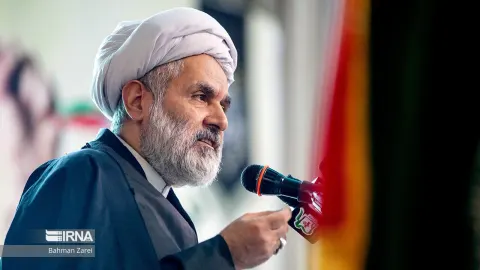
Simultaneously, Tehran is attempting to capitalize on this perceived decline in US global influence. The Secretary of Iran’s Supreme National Security Council (SNSC) recently claimed that Washington’s inability to forcibly reopen the Strait of Hormuz marks the dawn of a "post-American order" in the Persian Gulf. While the US maintains a significant naval presence, the rhetoric from Tehran suggests a strategic bet that Washington's preoccupation with multiple fronts—from the ICC to the Levant—is creating a power vacuum. This geopolitical posturing is occurring even as reports emerge of a "shadow oil highway" where millions of barrels are being moved outside traditional channels to bypass the very blockades being debated in high-level security meetings.

SEC’s "Regulation Crypto" and the 188,500 Toman Reality
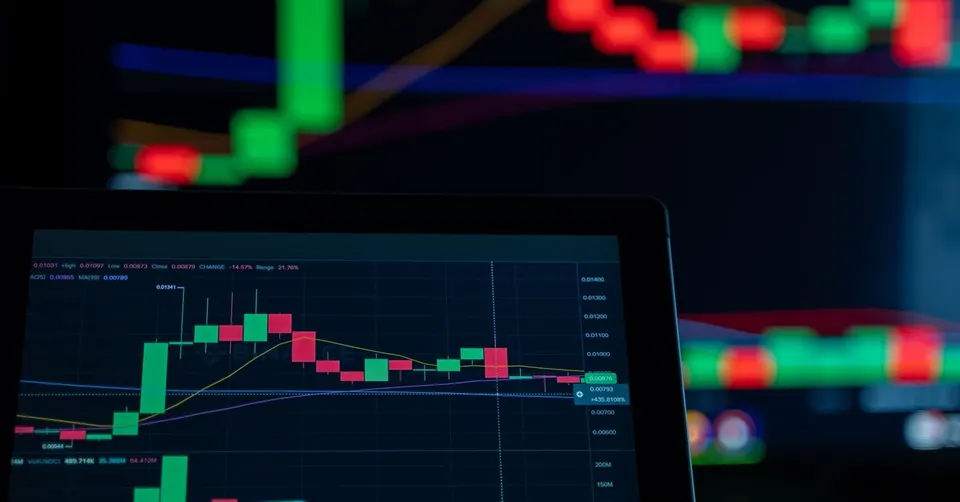
On the financial front, the US Securities and Exchange Commission (SEC) surprised the crypto industry by proposing "Regulation Crypto," a new rule aimed at creating a formal pathway for digital asset investment contracts. This comes at a critical juncture as Bitcoin tests the $65,000 resistance zone. While the SEC’s move provides some long-awaited regulatory clarity, it also highlights the hurdles that continue to gatekeep institutional capital. For Iranian investors, who increasingly use crypto as a hedge against Toman devaluation, these global shifts are closely watched alongside the local price action of Tether and Bitcoin.
In the Tehran market, the 24-hour window saw a steady climb in hard assets as diplomatic tensions flared. The USD sell rate rose from 186,950 to 188,500 Toman, marking a 0.8% increase. This upward pressure was mirrored in the gold market, where the Emami coin jumped from 190,500,000 to 192,000,000 Toman (+0.8%). Gold 18k per gram also saw a 0.6% increase, reaching 19,292,211 Toman. These shifts reflect a cautious and defensive sentiment among local traders who are navigating a landscape of high global interest rates and escalating regional friction that shows no signs of abating.
Brexit Echoes and the Human Cost of Diplomacy
Beyond the high-stakes world of nuclear security and oil routes, the human cost of shifting geopolitical boundaries is becoming evident in Europe. A Swedish MP has recently intervened in a "damaging" Brexit row involving elderly British citizens who have been ordered to leave Sweden after decades of residency. This situation highlights how bureaucratic rigidity and the breakdown of international agreements can disrupt the lives of ordinary people, much like the diplomatic expulsions currently occurring between Paris and Tehran.
Whether it is a 78-year-old widow in Sweden or a diplomat in Tehran, the theme of 2026 is one of hardening borders and the weaponization of residency and status. As the "post-American order" begins to take shape in the minds of regional strategists, the reality for those on the ground is often one of increased uncertainty and the loss of long-standing protections. For the Iranian market, this global trend toward isolationism and the breakdown of traditional alliances only serves to increase the premium on hard assets like gold and the US Dollar, as evidenced by the late-night session's price movements.
Frequently Asked Questions
Why did France expel Iranian diplomats today?
What is the new 'Regulation Crypto' proposed by the SEC?
How did the Iranian Toman react to the diplomatic news?
What are the new US sanctions against the ICC?
How Sanctions Shape Iran’s Exchange‑Rate Regime
Iran’s official exchange rate for the US dollar is set by the Central Bank, but the reality on the ground is a multi‑tiered system that includes a tightly controlled official market, a parallel “free” market, and a black‑market rate that can diverge dramatically. The official rate often lags far behind the market rate because the government tries to keep the price of imports and government‑budgeted expenditures stable, while sanctions restrict the flow of hard currency into the country. As a result, the market finds its own equilibrium, and the gap between the official and black‑market rates can widen to several hundred percent, as seen in August 2026 when the Tehran market quoted roughly 188,500 IRR per USD.
Sanctions work by cutting off access to foreign exchange, foreign investment, and international banking channels. When a country like Iran is cut off from SWIFT and major banks, exporters receive payments in foreign currency that they cannot easily convert, and importers must compete for the scarce dollars available. This scarcity pushes up the price of the rial in the parallel market. Moreover, diplomatic crises—such as the recent expulsion of Iranian diplomats by France—can trigger short‑term spikes in uncertainty, prompting investors and the public to rush to convert rials into dollars or gold, further straining the exchange system.
The Iranian government responds with a mix of policy tools: tightening capital controls, raising interest rates on foreign‑currency deposits, and occasionally devaluing the official rate to narrow the gap. However, because the black‑market rate reflects real supply‑and‑demand dynamics, policy can only partially close the spread. Understanding this dual‑track system is crucial for anyone tracking the USD/IRR price, gold prices in Tehran, or the valuation of crypto assets like Bitcoin, which often serve as an alternative store of value when the local currency is volatile.
For investors and analysts, the key takeaway is that exchange‑rate movements in sanctioned economies are driven less by traditional macro‑economic fundamentals and more by the intensity of external pressure and the government’s ability to manage scarce foreign currency. Monitoring sanction announcements, diplomatic incidents, and central‑bank interventions provides a clearer picture of where the rial‑to‑dollar rate is likely to head.
Topics
Related Articles